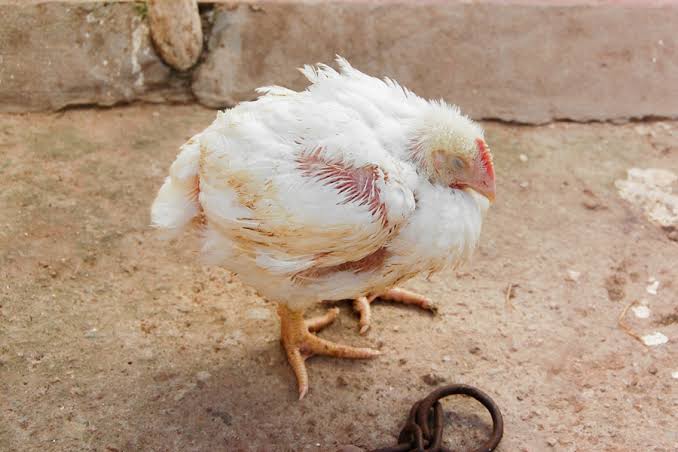
Chicken Health: Signs of Sickness Every Young Chicken Farmer Should Know
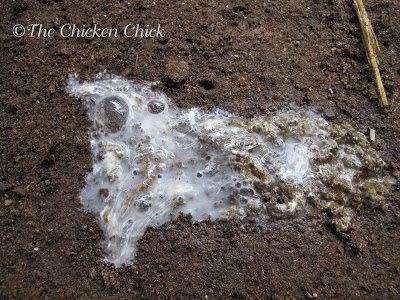
Keeping chickens healthy is one of the most important responsibilities of a poultry farmer. A healthy bird should be active, eat and drink normally, have clear eyes, clean feathers and produce normal droppings.
The problem is that chickens can become seriously sick before the farmer notices obvious symptoms. Learning to recognize early warning signs can help you act quickly, reduce deaths and prevent disease from spreading through the flock.
1. Signs of a Healthy Chicken
Before learning about sickness, know what a healthy chicken looks like.
A healthy chicken usually:
- Eats and drinks normally.
- Moves actively around the house.
- Has bright, clear eyes.
- Has smooth, clean feathers.
- Breathes quietly without difficulty.
- Has normal droppings.
- Maintains good body weight and growth.
- Responds normally to sounds and movement.
- Produces eggs normally if it is a layer.
Any major change from the bird’s normal behaviour should get your attention.
2. General Signs of Sickness
Some signs can occur with many different poultry diseases. Watch carefully if a chicken:
- Becomes unusually quiet or weak.
- Separates itself from the flock.
- Stops eating or drinking.
- Loses weight rapidly.
- Has ruffled feathers.
- Keeps its eyes closed.
- Has drooping wings.
- Has difficulty standing or walking.
- Shows reduced growth.
- Produces fewer eggs.
- Has dirty feathers around the vent.
- Develops abnormal droppings.
- Dies suddenly without obvious warning.
One symptom does not always identify a particular disease. Several symptoms occurring together are more useful when assessing the problem.
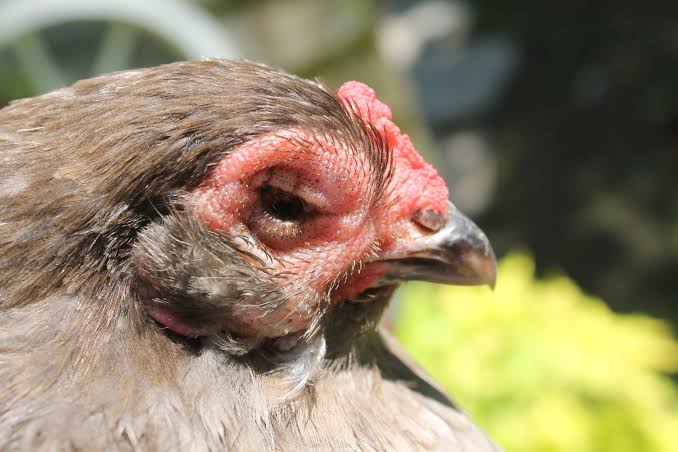
3. Weakness and Loss of Appetite
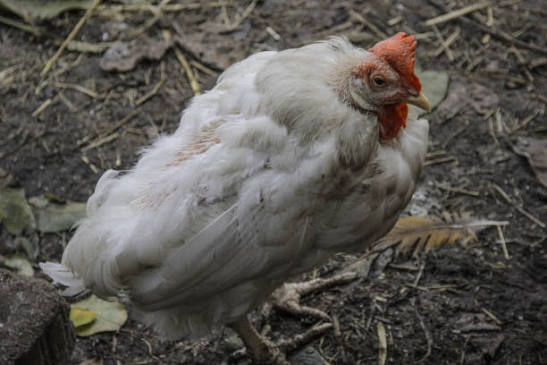
Weakness is one of the most common signs that something is wrong.
A sick chicken may sit in one place, have difficulty walking, droop its wings or appear uninterested in feed.
Loss of appetite can result from disease, poor-quality feed, heat stress, inadequate water, parasites, sudden feed changes or other management problems.
Do not simply assume the bird is “just weak.” Check the flock, feed, water, housing conditions and recent management changes.
4. Coughing, Sneezing and Breathing Problems
Respiratory problems should be taken seriously because some respiratory infections can spread quickly through a flock.
Watch for:
- Coughing.
- Sneezing.
- Noisy breathing.
- Difficulty breathing.
- Open-mouth breathing.
- Nasal discharge.
- Swollen face or sinuses.
- Watery or foamy eyes.
- Frequent shaking of the head.
Poor ventilation, dust, ammonia from accumulated manure and respiratory infections can all contribute to breathing problems.
Make sure the poultry house has good airflow without exposing young birds to harmful drafts.
5. Diarrhea and Abnormal Droppings
Chicken droppings naturally vary, so not every unusual dropping means disease.
However, persistent watery droppings, excessive diarrhea, blood in the droppings, unusual colour accompanied by other symptoms, or a sudden change affecting many birds deserves attention.
Diarrhea can lead to dehydration and weakness, especially in young chicks.
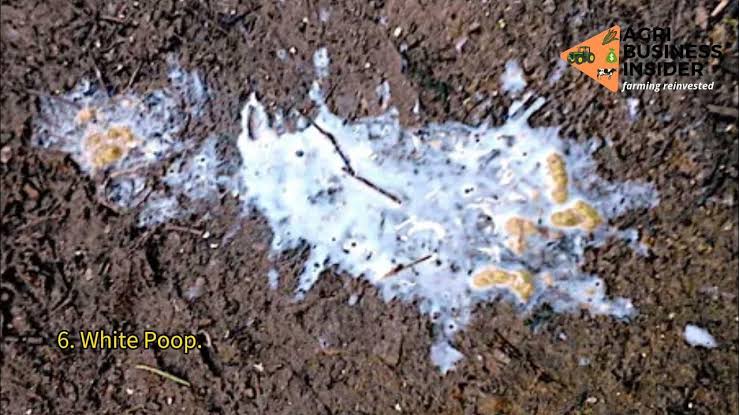
When diarrhea occurs, check:
- Feed quality.
- Water cleanliness.
- Recent feed changes.
- House hygiene.
- Parasite problems.
- Whether several birds are affected.
Avoid treating blindly with antibiotics simply because birds have diarrhea. The underlying cause needs to be investigated.
6. Sudden or Unusual Deaths
Sudden deaths are one of the most serious warning signs in poultry farming.
If several birds die unexpectedly, do not immediately assume that the deaths are caused by heat, feed or poisoning. Infectious diseases can also cause sudden mortality.
If unusual deaths occur:
- Isolate visibly sick birds where practical.
- Restrict unnecessary movement of people between poultry houses.
- Remove dead birds safely and hygienically.
- Check feed and water.
- Examine the flock for additional symptoms.
- Contact a veterinarian or qualified poultry professional as soon as possible.
Do not sell or move apparently sick birds to another farm.
7. Signs in Young Chicks
Young chicks are particularly vulnerable because their immune systems and body temperature regulation are still developing.
Warning signs include:
- Huddling continuously.
- Excessive chirping.
- Weakness.
- Failure to eat or drink.
- Pasting around the vent.
- Diarrhea.
- Poor growth.
- Difficulty breathing.
- High mortality.
- Chicks standing away from the heat source or crowding directly underneath it.
Check brooder temperature, ventilation, litter, feed and water immediately when several chicks behave abnormally.
8. Signs in Broilers
In broilers, monitor growth and movement closely.
Warning signs include:
- Birds becoming inactive.
- Poor feed intake.
- Poor weight gain.
- Difficulty walking.
- Swollen joints or legs.
- Increased mortality.
- Breathing problems.
- Wet or dirty litter.
- Sudden changes in feed or water consumption.
Because broilers grow rapidly, problems with housing, nutrition, ventilation or disease can quickly affect the whole flock.
9. Signs in Layers
For laying chickens, a sudden drop in egg production can be an important warning sign.
Watch for:
- Sudden reduction in egg production.
- Thin or abnormal shells.
- Smaller eggs.
- Poor feed intake.
- Weight loss.
- Respiratory symptoms.
- Diarrhea.
- Weakness or unusual mortality.
Changes in egg production can have several causes, including disease, heat stress, inadequate nutrition, lighting problems, age and management issues.
10. What to Do When a Chicken Looks Sick
When you notice a sick bird, avoid immediately giving several medications at once.
Instead:
Observe: Look at its behaviour, breathing, droppings, appetite and physical condition.
Separate: Where appropriate, separate sick birds from healthy birds to reduce possible disease transmission.
Check the environment: Examine water, feed, litter, ventilation, temperature, stocking density and cleanliness.
Check the flock: Determine whether one bird or many birds are affected.
Record the problem: Note when symptoms started, how many birds are affected and how many have died.
Seek professional help: A veterinarian or qualified poultry professional can help determine the likely cause and appropriate treatment.
11. Prevention Is Better Than Treatment
Good poultry management can prevent many health problems.
Important practices include:
- Provide clean drinking water every day.
- Give birds appropriate, quality feed.
- Keep feeders and drinkers clean.
- Maintain good ventilation.
- Avoid overcrowding.
- Keep litter dry.
- Remove dead birds promptly and safely.
- Control rodents, wild birds and other disease carriers.
- Clean and disinfect poultry houses between flocks.
- Follow an appropriate vaccination programme developed with a poultry veterinarian or animal-health professional.
- Quarantine new birds before mixing them with an established flock.
- Avoid unnecessary movement of people and equipment between poultry houses.
12. Do Not Guess With Medication
One of the common mistakes made by inexperienced farmers is treating every problem with antibiotics or other drugs.
Different diseases require different approaches, and some poultry diseases are viral, parasitic, nutritional or caused by management problems. Antibiotics do not treat viral diseases.
Using medicines incorrectly can also result in treatment failure, residues in meat or eggs, and antimicrobial resistance.
Always follow the label and obtain professional veterinary advice, particularly when several birds are sick or dying.
Final Advice for Young Chicken Farmers
Your chickens cannot tell you when they are sick, so observation is one of your most important farming skills.
Spend time looking at the flock every day. Learn what normal behaviour, feeding, drinking, droppings and movement look like. When something changes, investigate early.
A chicken that coughs once may not have a serious problem, but coughing together with nasal discharge, weakness, reduced appetite and deaths is a much more serious warning.
Early detection, good hygiene, proper vaccination, quality feed, clean water, good ventilation and quick professional advice can save a large portion of your flock.
If several chickens become sick or die suddenly, treat the situation as urgent and contact a veterinarian or animal-health professional rather than relying on guesswork.
Leave a Reply