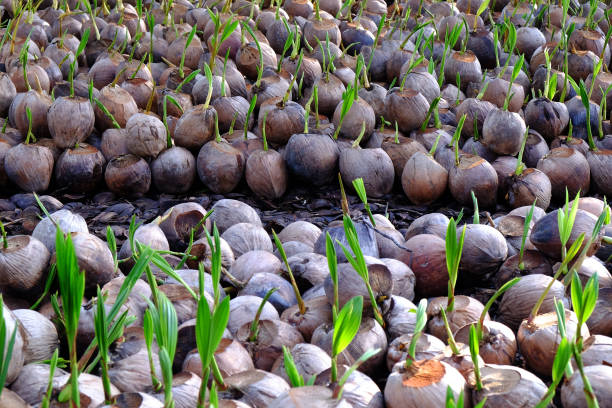
How to Identify Genuine Tenera Oil Palm Seedlings: A Guide for Young Plantation Farmers
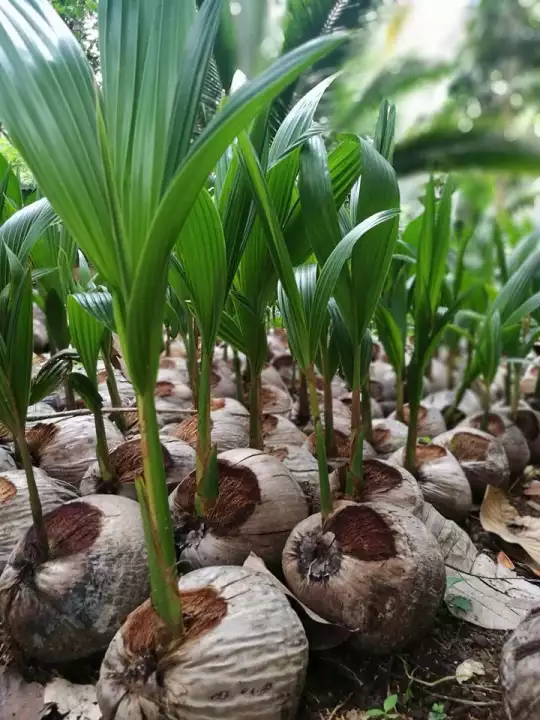
Starting an oil palm plantation is a long-term investment. One of the most important decisions a young farmer will make is choosing the right planting material.
Many farmers hear the word Tenera and assume that any healthy-looking oil palm seedling being sold by a nursery is automatically Tenera. This is not always the case.
The most important thing to understand is that you cannot reliably confirm the genetic type of an oil palm seedling simply by looking at it. A young Tenera seedling may look very similar to other oil palm seedlings, especially to an inexperienced farmer.
Therefore, instead of depending mainly on the appearance of the leaves, stem or size of the seedling, farmers should concentrate on where the seed came from, who produced it, what variety or genetic material was used, and what records or certification the supplier can provide.
This guide explains what young plantation farmers should ask and check before paying for Tenera oil palm seedlings.
What Is Tenera Oil Palm?
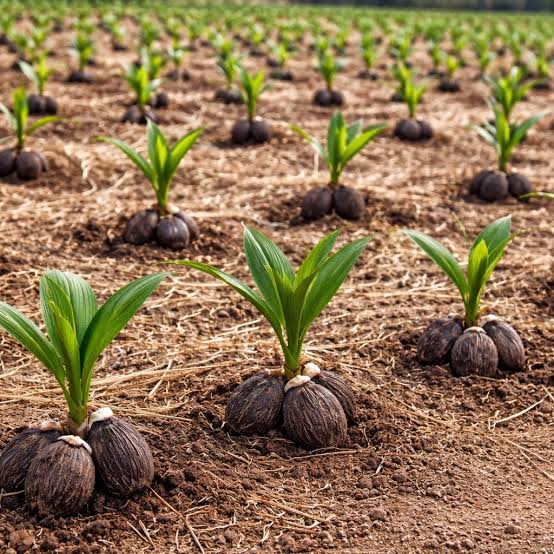
Oil palm planting materials are commonly associated with three fruit forms: Dura, Pisifera and Tenera.
Tenera is the commercially preferred hybrid type for many oil palm production systems because it generally has a relatively thin fruit shell and a larger mesocarp, which can contribute to good oil yield.
Tenera is produced from specific genetic crosses involving Dura and Pisifera parents.
This is why the source of the seed is extremely important.
A farmer should not simply hear a nursery operator say, “These are Tenera seedlings,” and immediately make payment. The farmer should ask questions about the origin and production history of the planting material.
Why You Should Not Depend on Appearance Alone
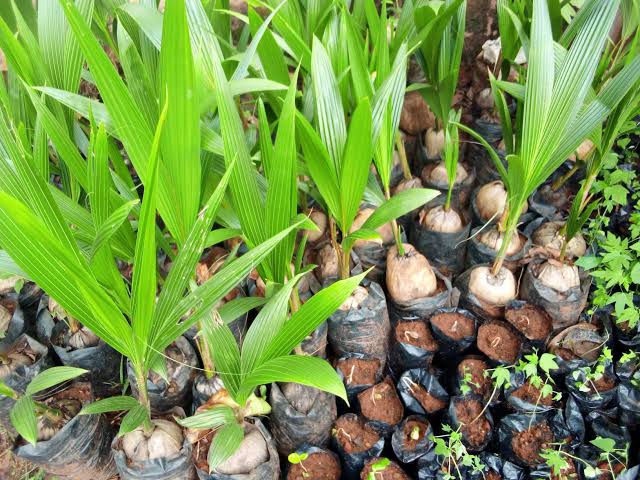
One of the biggest mistakes a new oil palm farmer can make is trying to identify Tenera seedlings only by looking at them.
A seedling may have:
- Green and healthy leaves
- A strong-looking stem
- Good height
- Large leaves
- A well-developed root system
- A healthy appearance
However, these characteristics do not prove that the seedling is genetically genuine Tenera.
A poor-quality or incorrectly sourced seedling can also look healthy in a nursery.
Similarly, a genuine Tenera seedling does not necessarily have one unique appearance that allows an inexperienced farmer to identify it with certainty.
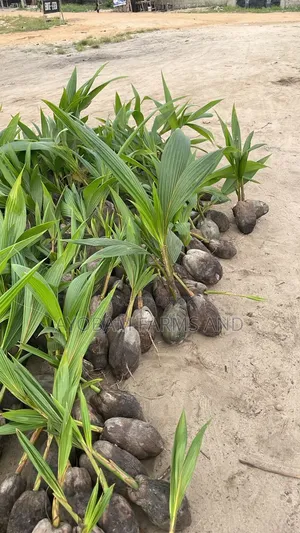
Healthy appearance and genetic identity are two different things.
The seedling must be healthy, but the farmer must also establish that the planting material came from a reliable source.
The First Question to Ask the Nursery Supplier
Before discussing price, ask:
“Where did you get the seed or planting material used to produce these seedlings?”
This is one of the most important questions you can ask.
A serious nursery operator should be able to explain the source of the planting material.
Be careful when the answer is vague, such as:
- “It is from my farm.”
- “My friend supplied it.”
- “It is a special palm.”
- “Everybody knows this variety.”
- “Just look at the seedlings; they are Tenera.”
- “I have been selling these for years.”
Experience can be useful, but it does not replace traceability.
Ask for more specific information about the source.
Ask Whether the Seeds Were Certified or Sourced From a Recognized Breeding Programme
A farmer should ask whether the seeds used to raise the seedlings came from a recognized oil palm breeding or seed-production programme.
In Nigeria, farmers can seek information from relevant agricultural research and extension institutions about recommended oil palm planting materials and reputable sources.
For example, farmers can make enquiries from institutions such as the Nigerian Institute for Oil Palm Research (NIFOR) or appropriate agricultural authorities in their state.
The objective is not simply to find somebody who sells seedlings. The objective is to establish that the planting material has a trustworthy genetic origin.
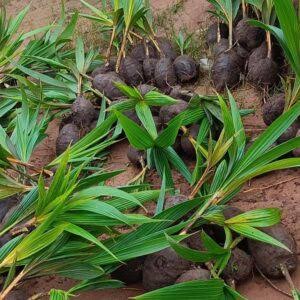
Ask to See Evidence of the Seed Source
If a nursery claims to be selling genuine Tenera seedlings, ask what evidence they have for the seed source.
Depending on the supplier and production system, useful information may include:
- Name of the seed producer
- Source of the seed
- Variety or genetic material
- Seed production records
- Batch or lot information
- Receipts or documentation from the seed supplier
- Nursery records
- Certification or accreditation information where applicable
A farmer should understand that documentation can vary between suppliers.
The important principle is traceability.
If a supplier cannot explain where the planting material came from, the farmer should be cautious.
Ask: “Did You Raise These Seedlings Yourself?”
This is another useful question.
If the supplier operates the nursery themselves, ask:
“Did you personally raise these seedlings, or did you buy them from another nursery?”
If they bought the seedlings from another nursery, continue asking questions about that nursery and the original seed source.
This helps you understand the chain from the original seed producer to the nursery and finally to your farm.
The longer and less transparent the chain becomes, the more difficult it may be to verify the planting material.
Ask for the Age of the Seedlings
A farmer should also ask:
“How old are these seedlings?”
The age of the seedlings matters when planning field establishment.
Ask when the seeds were planted and how long the seedlings have spent in the nursery.
Avoid accepting an unexplained answer such as “They are ready” without asking for more information.
A reputable nursery should have a reasonable understanding of its nursery production schedule.
Ask How the Seedlings Were Managed in the Nursery
Genetics are not the only issue.
A genuine planting material can still produce poor results if the seedlings are badly managed.
Ask the nursery operator about:
- Watering
- Fertilizer application
- Weed control
- Pest management
- Disease management
- Spacing
- Shade management where necessary
- Culling of weak or abnormal seedlings
- General nursery management
A good nursery should be interested in producing strong, healthy field-ready seedlings.
Check the General Health of the Seedlings
Although appearance cannot prove that a seedling is Tenera, physical inspection is still important.
Look for seedlings that are generally healthy and vigorous.
Be cautious with seedlings showing obvious problems such as:
- Severe leaf damage
- Serious pest attack
- Disease symptoms
- Poor growth
- Weak or damaged stems
- Severe nutrient deficiency symptoms
- Poorly developed root systems
- Extremely abnormal growth
Do not confuse “healthy-looking” with “genetically genuine.”
You need both:
Good genetic source + healthy nursery management.
Look at the Nursery, Not Just the Seedlings
A useful trick for young farmers is to inspect the entire nursery.
Ask yourself:
Does this look like a professionally managed nursery?
Look at how the seedlings are arranged and maintained.
A serious nursery should generally have an organized system for:
- Identifying seedling batches
- Managing watering
- Applying fertilizers
- Controlling weeds
- Removing poor or abnormal seedlings
- Keeping records
- Protecting seedlings from damage
If hundreds or thousands of seedlings are being sold but the operator cannot explain basic information about their origin and management, take extra caution.
Ask Whether the Supplier Can Provide a Receipt
Before paying, ask for a receipt or other written record of the transaction.
The receipt should, where practical, show details such as:
- Supplier or nursery name
- Date
- Number of seedlings purchased
- Price
- Contact information
- Description of the planting material
Keep the receipt safely.
If there is a dispute later, your records can help establish what you purchased and from whom.
Do Not Be Fooled by the Word “Tenera”
“Tenera” is an important term in oil palm production, but it should not be treated as a magic word.
A seller may advertise:
“100% genuine Tenera seedlings.”
That statement alone is not proof.
Ask:
“What is the source of the planting material?”
Then ask:
“Can you provide evidence or documentation of that source?”
A genuine supplier should understand why farmers are asking these questions.
Be Careful With Extremely Cheap Seedlings
Price should not be your only consideration.
If one nursery is selling seedlings at a dramatically lower price than reputable suppliers, find out why.
Cheap seedlings can become expensive if they have poor genetic quality, poor nursery management or questionable origin.
Remember that oil palm is a long-term crop.
You may spend money on:
- Land preparation
- Clearing
- Seedlings
- Labour
- Fertilizer
- Weed control
- Pest and disease management
- Transportation
- Maintenance
Therefore, saving a small amount on seedlings while risking the productivity of the entire plantation may not be a wise decision.
Ask About the Supplier’s Experience
Ask the nursery operator:
“How long have you been producing oil palm seedlings?”
Then ask:
“Who supplies your planting material?”
“Can you show me your nursery records?”
“Do you have farmers who have previously bought from you?”
Experience alone does not guarantee quality, but it can help you assess whether the nursery is established and transparent.
Visit Before You Pay for Large Quantities
If you are establishing a large plantation, do not rely entirely on telephone conversations, WhatsApp messages or social media advertisements.
Visit the nursery if possible.
See:
- The seedlings
- The nursery environment
- The management practices
- The records
- The source information
- The person selling the seedlings
For a major plantation investment, a physical inspection can be much more valuable than simply comparing prices online.
Ask for Expert Verification When You Are Unsure
If you are a new farmer and you do not understand the technical information being provided by a nursery, seek assistance.
You can contact agricultural extension officers, experienced oil palm specialists, reputable agricultural institutions or recognized research organizations.
In Nigeria, institutions involved in oil palm research and development can be useful sources of information when a farmer wants to understand recommended planting materials and production practices.
Do not be embarrassed to ask questions.
It is better to spend time verifying seedlings before planting than to discover years later that the planting material was not what you expected.
What Young Farmers Should Never Do
There are several mistakes that new plantation farmers should avoid.
Do not buy simply because the seedlings look big
A large seedling is not automatically a genuine Tenera seedling.
Do not buy simply because the seller says “Tenera”
Ask for the source and supporting information.
Do not choose only by price
The cheapest seedling may not necessarily be the best investment.
Do not buy from an unknown supplier without checking
Especially when purchasing hundreds or thousands of seedlings.
Do not assume every oil palm nursery produces the same quality
Nursery management and planting-material sources can differ significantly.
Do not wait until after planting to ask questions
Verify before you pay and transport the seedlings to your farm.
A Simple Question List to Take to the Nursery
Before buying, young farmers can use these questions:
- Where did the seed used to produce these seedlings come from?
- Who produced the seed?
- Is the seed from a recognized or traceable source?
- Can I see documentation or records showing the source?
- Did you raise these seedlings yourself?
- How old are the seedlings?
- When were they planted?
- How have they been managed?
- How do you identify and remove abnormal seedlings?
- Can I inspect the nursery?
- Can I get a receipt for my purchase?
- If I am buying a large quantity, can I verify the source before making full payment?
If the supplier becomes uncomfortable simply because you are asking reasonable questions about the planting material, consider that a warning sign.
What Makes a Good Tenera Seedling Purchase?
A good purchase is not based on one factor.
Think about it as three major checks:
- Genetic source
Where did the planting material come from?
- Nursery quality
Were the seedlings properly produced and managed?
- Traceability
Can the supplier explain and support the history of the planting material?
If these three areas are satisfactory, you are in a much stronger position than a farmer who simply buys seedlings because they look attractive.
Why This Matters for Your Plantation
Oil palm is not a short-term crop.
Once you establish a plantation, you may spend years maintaining it.
The quality of your planting material can therefore have a major influence on the potential performance of the plantation.
Planting questionable material can mean wasting:
- Land
- Labour
- Fertilizer
- Money
- Time
- Management effort
The problem may not become obvious immediately.
This is why prevention is better than trying to correct the problem after the plantation has already been established.
Final Advice to Young Oil Palm Farmers
If you are a young farmer preparing to establish an oil palm plantation, remember this simple rule:
Do not try to identify genuine Tenera seedlings with your eyes alone. Verify the source.
A healthy-looking seedling is important, but its appearance cannot by itself prove its genetic identity.
Before paying, ask the nursery operator where the seed came from, who produced it, how the seedlings were raised, what records are available and whether the source can be verified.
Whenever you are planning a large plantation, consider getting advice from an experienced agricultural professional or recognized oil palm research and extension institution before making a major purchase.
Your plantation may remain productive for many years, so the decision you make at the nursery is one of the most important decisions you will make at the beginning of your farming journey.
Buy based on evidence, traceability and quality—not just appearance or promises.
Quick Rule for Farmers
Source → Records → Nursery quality → Seedling health → Receipt → Then payment.
That simple process can help a young farmer avoid many costly mistakes when purchasing oil palm planting materials.
Leave a Reply