Challenges of Cattle Farming
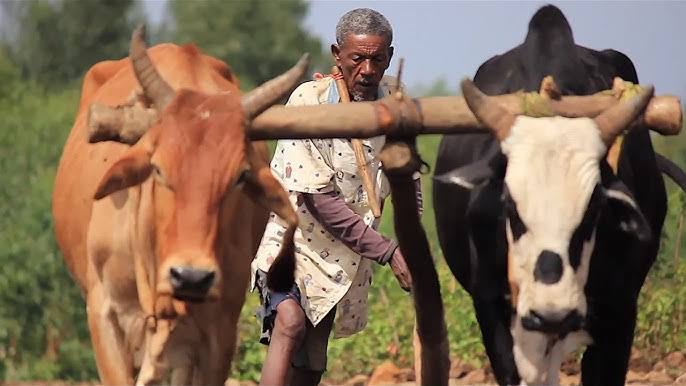
Cattle farming is one of the most rewarding agricultural businesses. Farmers raise cattle for meat, milk, breeding, leather, manure, and draught power. However, like every farming business, cattle farming has its own difficulties. Knowing these challenges and learning how to manage them can help farmers build a successful and profitable cattle enterprise.
1. High Start-Up Cost
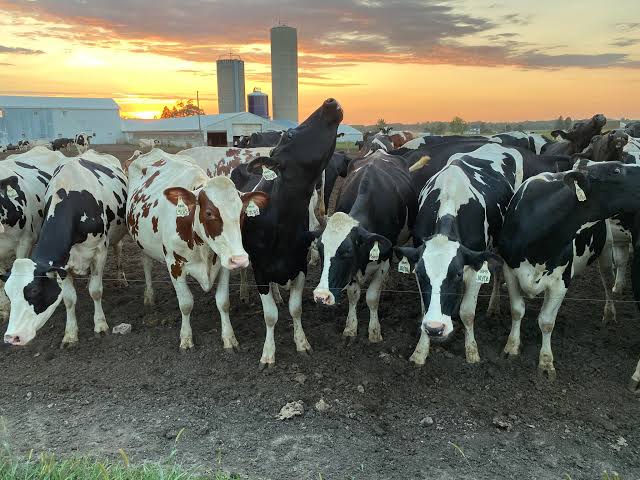
One of the biggest challenges is the amount of money needed to start a cattle farm. Farmers need to buy healthy cattle, build shelters, fence grazing areas, purchase feeding equipment, and provide a reliable water supply.
How to overcome it:
- Start with a small herd.
- Expand gradually as profits increase.
- Prepare a realistic business plan and budget.
2. Feed Shortage
Cattle require quality feed throughout the year. During the dry season, natural grasses become scarce, leading to poor nutrition and slower growth.
How to overcome it:
- Grow pasture grasses.
- Store hay and silage for the dry season.
- Supplement grazing with commercial feeds and mineral licks.
3. Water Scarcity
Cattle need clean drinking water every day. A lack of water reduces feed intake, milk production, and growth.
How to overcome it:
- Provide constant access to clean water.
- Construct boreholes, wells, or water storage tanks.
- Regularly clean water troughs.
4. Diseases and Parasites
Diseases such as foot-and-mouth disease, mastitis, anthrax, and tick-borne diseases can cause major financial losses. Internal and external parasites also affect cattle health.
How to overcome it:
- Vaccinate cattle according to veterinary recommendations.
- Deworm regularly.
- Control ticks and flies.
- Isolate sick animals immediately.
- Maintain proper farm hygiene.
5. Poor Veterinary Services
Some rural communities have limited access to veterinary doctors, making disease diagnosis and treatment difficult.
How to overcome it:
- Build relationships with local veterinarians.
- Learn basic animal health management.
- Keep emergency animal health supplies.
6. Theft and Insecurity
Cattle theft remains a serious problem in many areas, resulting in financial losses.
How to overcome it:
- Build secure fencing.
- Employ trusted farm workers.
- Brand or tag cattle for identification.
- Install security lighting or surveillance where possible.
7. Climate Change
Extreme heat, drought, floods, and changing weather patterns reduce pasture quality and increase stress on cattle.
How to overcome it:
- Plant drought-resistant pasture grasses.
- Provide shade and adequate ventilation.
- Store feed for difficult seasons.
- Improve water conservation.
8. Poor Breeding Management
Using poor-quality breeding animals can reduce productivity, fertility, and overall herd performance.
How to overcome it:
- Select healthy breeding bulls and cows.
- Keep breeding records.
- Avoid inbreeding.
9. Limited Grazing Land
As urban development expands, grazing land becomes more difficult to obtain.
How to overcome it:
- Practice rotational grazing.
- Lease additional farmland.
- Adopt semi-intensive or intensive farming systems.
10. High Cost of Feed and Farm Inputs
The prices of commercial feed, medicines, fuel, and farm equipment continue to increase.
How to overcome it:
- Produce some feed on the farm.
- Buy inputs in bulk when possible.
- Reduce unnecessary expenses through good planning.
11. Labour Shortage
Managing cattle requires skilled workers who understand feeding, breeding, disease control, and animal handling.
How to overcome it:
- Train farm workers regularly.
- Use labour-saving equipment where possible.
- Provide good working conditions to retain employees.
12. Market Price Fluctuations
The prices of cattle, beef, and milk can change due to supply, demand, and economic conditions.
How to overcome it:
- Monitor market trends.
- Sell at peak demand periods.
- Diversify income by producing milk, breeding stock, or manure.
13. Poor Record Keeping
Many farmers fail to keep records of breeding, vaccinations, expenses, and sales, making it difficult to measure profitability.
How to overcome it:
- Keep daily farm records.
- Record births, deaths, treatments, and sales.
- Review records regularly to improve management.
14. Transportation Challenges
Moving cattle to markets or veterinary clinics can be stressful, expensive, and risky.
How to overcome it:
- Use safe transport vehicles.
- Reduce travel stress by planning trips carefully.
- Sell through nearby livestock markets when possible.
15. Government Policies and Regulations
Changes in livestock regulations, taxation, or disease control measures can affect cattle farmers.
How to overcome it:
- Stay informed about livestock policies.
- Register your farm where required.
- Follow animal health and movement regulations.
Tips for Young Cattle Farmers
- Start small and gain experience before expanding.
- Buy healthy cattle from trusted breeders.
- Learn continuously through training and experienced farmers.
- Feed cattle balanced diets.
- Maintain proper hygiene and sanitation.
- Vaccinate and deworm regularly.
- Keep accurate farm records.
- Build a reliable market before increasing production.
- Always seek veterinary advice when problems occur.
Conclusion
Cattle farming is a profitable business, but it comes with challenges that require patience, knowledge, and proper planning. Farmers who provide quality feed, maintain good animal health, manage breeding effectively, and keep accurate records are more likely to succeed. By understanding these common challenges and applying practical solutions, young cattle farmers can build healthy herds, reduce losses, and achieve long-term success in the livestock industry.
Leave a Reply