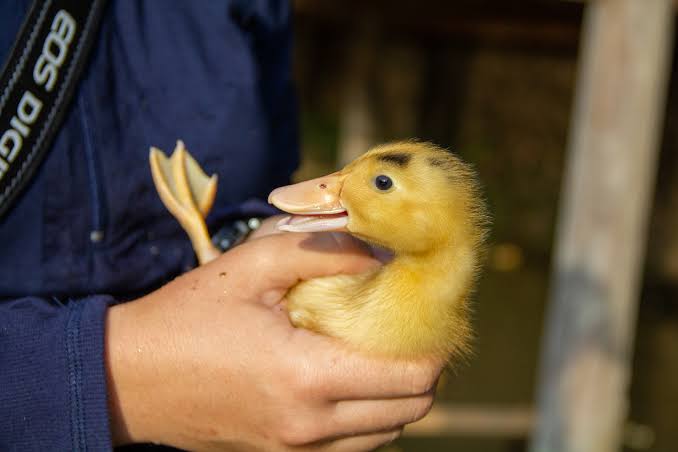
Brooding Equipment for Duck Farming
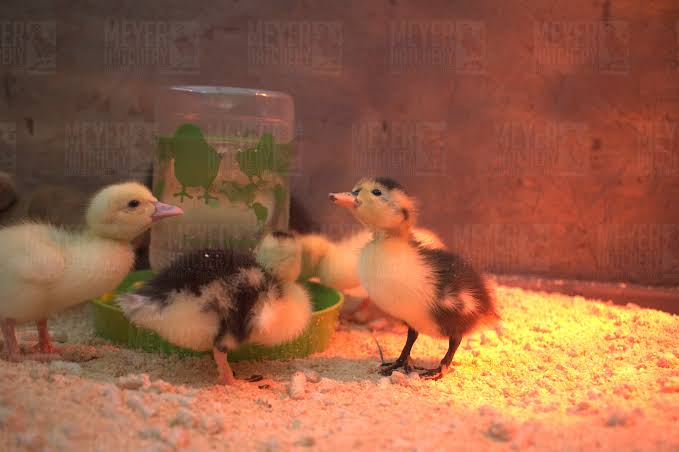
Brooding is one of the most important stages in duck farming. During the first few weeks of life, ducklings cannot regulate their body temperature properly and depend on a warm, clean, and safe environment to survive and grow.
Having the right brooding equipment can reduce mortality, improve growth rates, and produce healthy ducks. Whether you are raising ducks for meat, eggs, or breeding, investing in quality brooding equipment is essential.
What Is Brooding?
Brooding is the process of providing newly hatched ducklings with warmth, feed, water, and protection until they are old enough to withstand normal environmental conditions. This period usually lasts between 3 and 4 weeks, depending on the breed and weather.
Essential Brooding Equipment
1. Brooder House or Brooder Pen
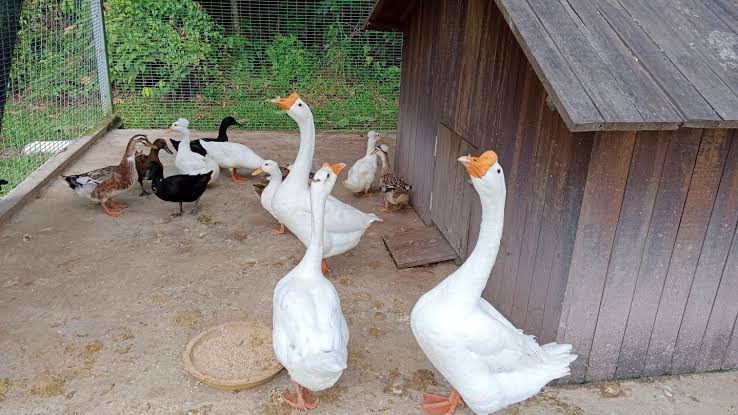
A brooder house is a secure enclosure where ducklings are kept during their first weeks of life.
A good brooder should:
- Protect ducklings from predators.
- Prevent cold drafts and heavy rain.
- Have good ventilation.
- Be easy to clean and disinfect.
- Provide enough space to avoid overcrowding.
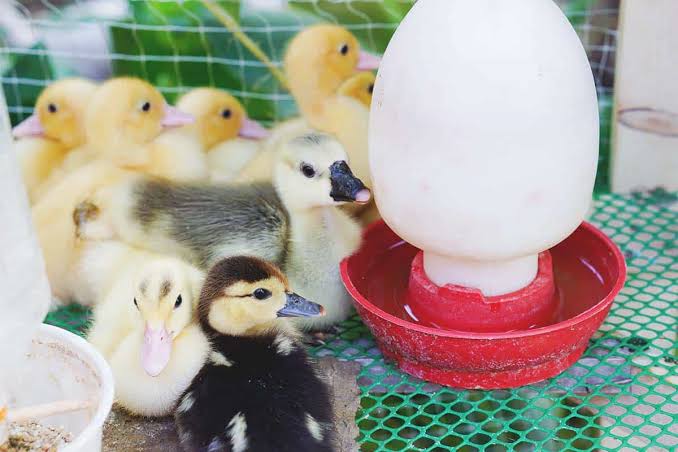
2. Heat Source
Ducklings require supplemental heat immediately after hatching.
Common heat sources include:
- Infrared heat lamps
- Gas brooders
- Electric brooders
- Charcoal brooders (used carefully with proper ventilation)
The recommended brooding temperature starts at about 32–35°C during the first week and is reduced gradually by about 2–3°C each week until ducklings no longer need additional heat.
Signs of incorrect temperature:
- Huddling together indicates they are too cold.
- Staying far away from the heat source indicates they are too hot.
- Even distribution around the brooder usually means the temperature is comfortable.
3. Brooder Guard
A brooder guard is a circular barrier placed around young ducklings during the first week.
Its benefits include:
- Preventing ducklings from wandering too far.
- Keeping them close to food, water, and heat.
- Reducing piling and accidental crushing.
Cardboard, plywood, or metal sheets can be used to make a brooder guard.
4. Feeders
Proper feeders reduce feed wastage and ensure every duckling has access to feed.
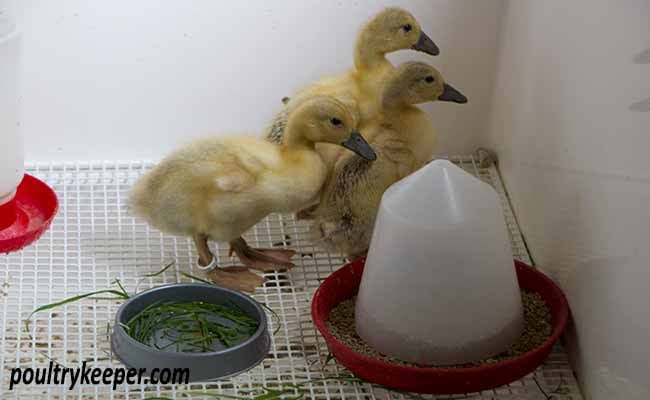
Choose feeders that:
- Are easy to clean.
- Prevent contamination.
- Are appropriately sized for ducklings.
Increase feeder space as the ducklings grow.
5. Drinkers
Clean drinking water must always be available.
Good drinkers should:
- Prevent ducklings from drowning.
- Reduce water spillage.
- Be cleaned daily.
Ducklings often play with water, so using well-designed drinkers helps keep the litter dry.
6. Bedding (Litter Material)
Good bedding keeps ducklings warm, comfortable, and dry.
Suitable litter materials include:
- Wood shavings
- Rice husks
- Chopped straw
Avoid slippery surfaces because they can cause leg problems. Wet litter should be removed immediately to reduce disease and ammonia buildup.
7. Thermometer
A thermometer helps monitor brooder temperature accurately instead of relying on guesswork.
Checking the temperature daily ensures ducklings remain comfortable and healthy.
8. Lighting
Proper lighting encourages feeding and drinking, especially during the first few days.
Provide adequate light while avoiding excessive brightness that may stress the birds.
9. Cleaning and Disinfection Equipment
Good hygiene prevents disease outbreaks.
Useful cleaning equipment includes:
- Buckets
- Brushes
- Disinfectants
- Spray cans
- Hand gloves
Clean feeders and drinkers every day and disinfect the brooder before introducing new ducklings.
10. Backup Power Supply
If you use electric brooders or heat lamps, consider having a backup power source such as:
- Generator
- Solar power system
- Battery backup
A sudden loss of heat can quickly lead to high duckling mortality.
Importance of Proper Brooding Equipment
Using the right brooding equipment helps:
- Reduce duckling mortality.
- Promote faster growth.
- Improve feed conversion.
- Prevent diseases.
- Maintain clean housing.
- Reduce stress.
- Increase overall farm profitability.
Common Mistakes Beginners Should Avoid
Many new duck farmers make avoidable mistakes, including:
- Overcrowding the brooder.
- Allowing wet litter to accumulate.
- Providing insufficient heat.
- Using dirty feeders and drinkers.
- Failing to provide clean drinking water.
- Ignoring temperature changes.
- Introducing ducklings into an unclean brooder.
Tips for Successful Brooding
- Prepare the brooder at least 24 hours before the ducklings arrive.
- Ensure feed and water are ready before placing ducklings in the brooder.
- Observe duckling behavior several times a day.
- Replace wet bedding immediately.
- Keep predators away from the brooder house.
- Maintain strict hygiene throughout the brooding period.
Conclusion
Proper brooding equipment forms the foundation of successful duck farming. Healthy ducklings are more likely to grow into productive meat or laying ducks, making the investment in quality brooding equipment worthwhile. By providing warmth, clean water, nutritious feed, dry bedding, and a safe environment, new duck rearers can greatly improve survival rates and build a profitable duck farming enterprise.
Leave a Reply