Duck House Ventilation: A Complete Guide for Young Duck Farmers
Why Ventilation Is Important in Duck Farming
Proper ventilation is one of the most important factors in successful duck farming. Whether you are raising ducks for meat, eggs, or breeding, a well-ventilated duck house helps keep your birds healthy, productive, and comfortable.
Many beginners focus on feed and housing but overlook ventilation. Poor airflow can lead to diseases, slow growth, bad odors, and even higher mortality rates. Understanding how ventilation works will help you build a healthier environment for your flock.
What Is Ventilation?
Ventilation is the continuous movement of fresh air into the duck house while allowing stale, moist, and polluted air to leave. Good ventilation removes excess heat, moisture, dust, harmful gases, and unpleasant odors.
The goal is to provide fresh oxygen without exposing ducks to cold drafts.
Benefits of Proper Ventilation
1. Improves Duck Health
Fresh air reduces the buildup of bacteria, viruses, and fungi that can cause respiratory diseases and infections.
2. Removes Harmful Gases
Duck droppings produce ammonia gas, especially when litter becomes wet. High ammonia levels can damage ducks’ eyes and lungs and reduce their growth rate.
3. Controls Moisture
Ducks spill a lot of water while drinking. Without proper ventilation, excess moisture creates damp litter, encouraging mold, parasites, and disease-causing organisms.
4. Regulates Temperature
During hot weather, good airflow helps cool the birds and prevents heat stress. In colder weather, ventilation removes moisture without making the house excessively cold.
5. Reduces Bad Odors
Fresh air keeps the duck house smelling cleaner, making it more comfortable for both ducks and farmers.
6. Increases Productivity
Healthy ducks eat better, grow faster, lay more eggs, and have stronger immune systems.
Signs of Poor Ventilation
If your duck house has any of these signs, ventilation may be inadequate:
- Strong ammonia smell
- Wet or damp litter
- Condensation on walls or roof
- Ducks panting frequently
- Frequent respiratory illnesses
- Mold growth
- High humidity
- Slow growth and poor egg production
How to Provide Good Ventilation
Build Open-Sided Housing
In warm climates, open-sided houses covered with wire mesh allow fresh air to circulate while keeping predators out.
Install Windows
Windows on opposite sides of the building encourage cross-ventilation and improve airflow.
Use Ventilation Openings Near the Roof
Warm air naturally rises. Roof vents allow hot, humid air to escape from the duck house.
Avoid Overcrowding
Too many ducks in a small space reduce airflow and increase heat, moisture, and disease risk.
Keep Bedding Dry
Replace wet litter regularly to reduce ammonia and moisture buildup.
Position the House Properly
Construct the duck house where natural wind can pass through easily. Avoid blocking airflow with walls or dense vegetation.
Use Fans for Large Farms
Commercial duck farms often install exhaust or circulation fans to improve airflow, especially during hot weather.
Avoid Direct Drafts
While ducks need fresh air, they should not be exposed to strong cold winds, especially ducklings. Direct drafts can cause stress and illness.
Fresh air should circulate gently throughout the building without blowing directly onto the birds.
Ventilation Tips for Ducklings
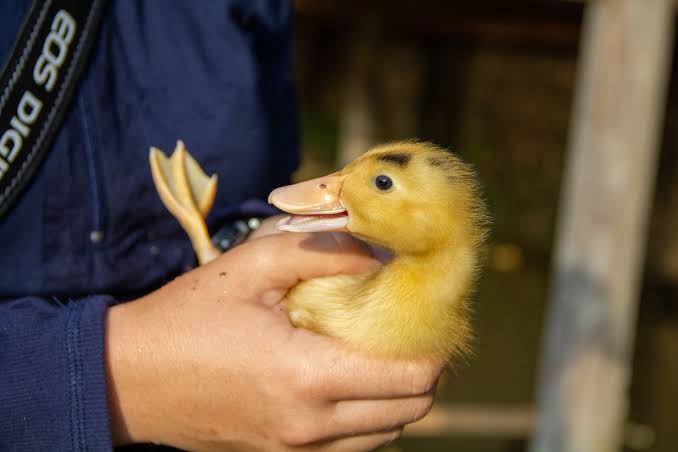
Young ducklings are more sensitive than adult ducks.
For ducklings:
- Maintain a warm brooding temperature.
- Provide fresh air without creating drafts.
- Remove wet bedding daily.
- Monitor humidity levels closely.
Common Ventilation Mistakes
Many new duck farmers make these mistakes:
- Keeping the duck house completely closed.
- Allowing litter to remain wet.
- Overstocking the housing area.
- Blocking windows or vents.
- Ignoring ammonia odors.
- Failing to clean the house regularly.
Best Practices
For successful duck farming:
- Check airflow every day.
- Keep drinking areas dry.
- Clean the house regularly.
- Replace wet litter immediately.
- Ensure windows and vents remain open when weather permits.
- Monitor ducks for signs of heat stress or respiratory problems.
Conclusion
Proper ventilation is the foundation of a healthy duck farm. It improves air quality, reduces disease, keeps litter dry, and creates a comfortable environment where ducks can grow and produce efficiently. Whether you keep a few backyard ducks or manage a commercial flock, investing in good ventilation will improve bird welfare, reduce losses, and increase your farm’s overall productivity.
Leave a Reply