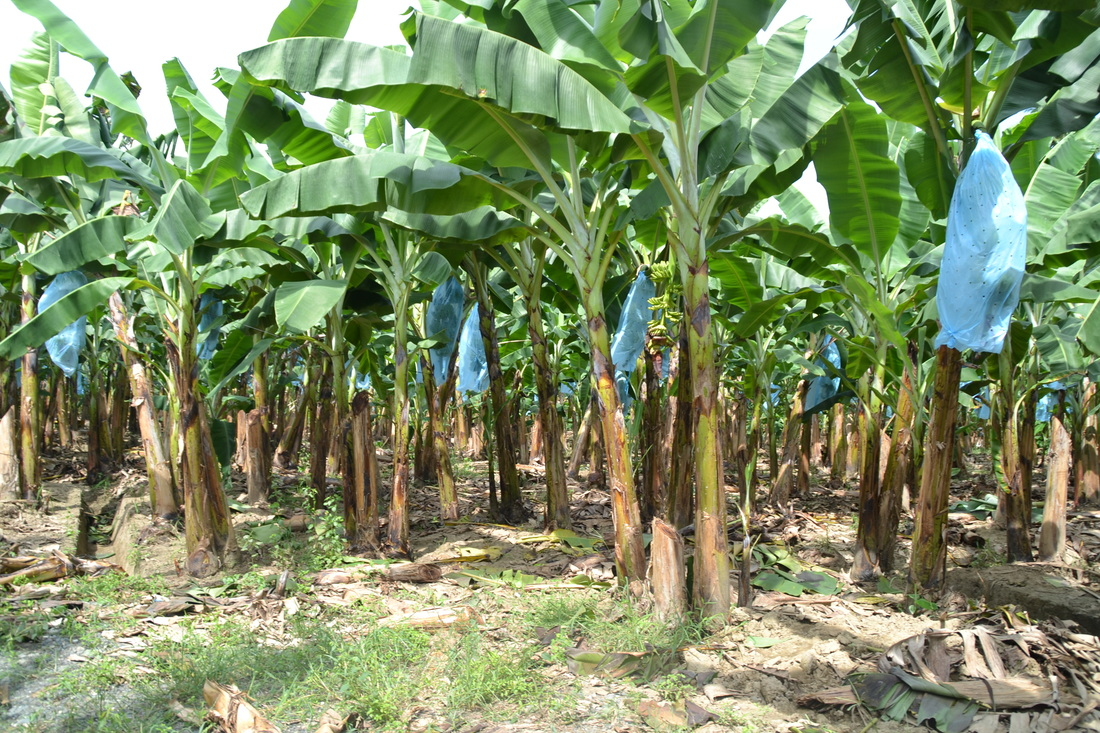
Number of Plantain Plants Per Hectare
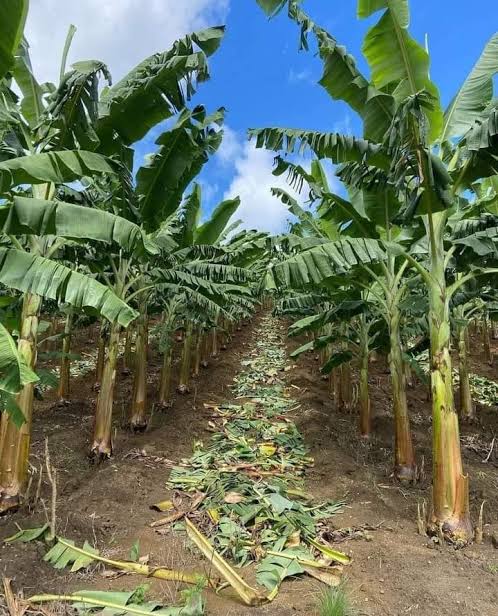
Knowing the correct number of plantain plants to grow per hectare is one of the most important decisions every plantain farmer must make. Planting too many plants can reduce yields because the plants compete for sunlight, nutrients, and water. Planting too few plants wastes valuable land and reduces potential profits.
Whether you are a beginner or planning to establish a commercial plantain plantation, understanding proper plant population is essential for success.
What Is a Hectare?
A hectare (ha) is a unit of land measurement commonly used in agriculture.
- 1 hectare = 10,000 square meters
- About 2.47 acres
- 100 meters × 100 meters
Most commercial plantain plantations are planned on a hectare basis because it makes it easier to calculate planting materials, fertilizer requirements, irrigation, labor, and expected harvest.
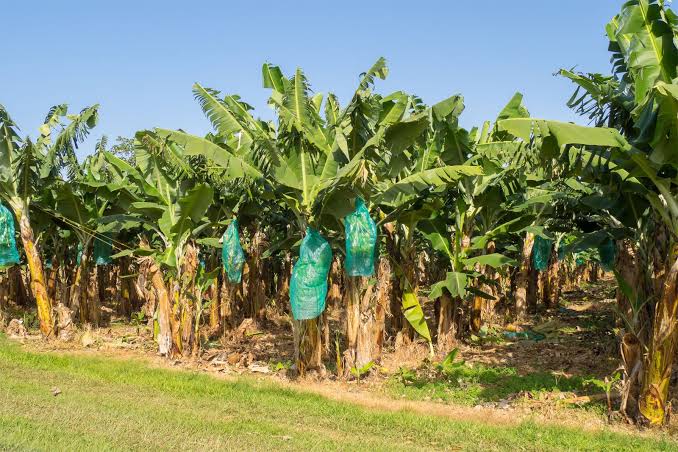
Why Plant Population Matters
The number of plants per hectare affects:
- Crop yield
- Fruit size
- Plant health
- Disease spread
- Weed control
- Ease of harvesting
- Farm profitability
Proper spacing allows every plant to receive enough sunlight, water, and nutrients.
Recommended Number of Plantain Plants Per Hectare
The number of plants depends on the spacing used.
3 m × 3 m Spacing
This is one of the most common spacing methods.
- Around 1,111 plants per hectare
- Excellent airflow
- Easier maintenance
- Suitable for beginners
3 m × 2.5 m Spacing
- Around 1,333 plants per hectare
- Higher plant population
- Good commercial option
- Requires proper fertilizer management
2.5 m × 2.5 m Spacing
- Around 1,600 plants per hectare
- Produces more plants
- Requires fertile soil
- Needs intensive management
High-Density Planting
Some commercial farms use:
- 2 m × 2.5 m spacing
- About 2,000 plants per hectare
This system requires:
- Regular fertilizer application
- Reliable irrigation
- Frequent pruning
- Good pest and disease management
It is generally recommended for experienced farmers rather than beginners.
Best Spacing for Beginners
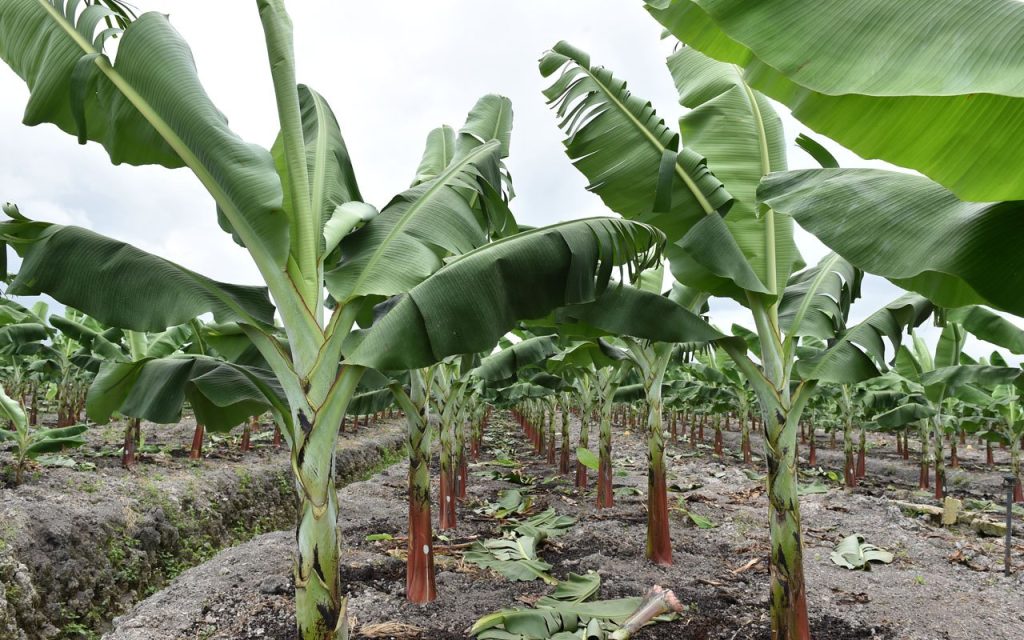
For new plantain farmers, 3 m × 3 m spacing is usually the safest option because it:
- Gives plants enough growing space
- Makes weed control easier
- Reduces disease spread
- Simplifies harvesting
- Produces healthy bunches
Many successful commercial plantations start with this spacing.
Factors That Affect Plant Population
Several factors determine how many plants your land can support.
Soil Fertility
Rich soils can support higher plant populations because nutrients are more available.
Poor soils require wider spacing to reduce competition.
Rainfall
Areas with abundant rainfall can support more plants than dry regions.
If rainfall is low, wider spacing helps each plant access more water.
Irrigation
With irrigation, farmers can safely increase plant density because water is consistently available.
Plantain Variety
Different plantain varieties have different growth habits.
Some varieties grow taller and wider, requiring more space.
Others are more compact and can be planted closer together.
Farm Management
Good management practices such as fertilization, mulching, pruning, and pest control allow farmers to maintain higher plant populations successfully.
How to Calculate Plant Population
Use this simple formula:
Number of plants = 10,000 ÷ (Row spacing × Plant spacing)
For example:
- Spacing = 3 m × 3 m
- Area per plant = 9 square meters
- 10,000 ÷ 9 = 1,111 plants per hectare
This formula works for any spacing arrangement.
Benefits of Proper Plant Spacing
Correct spacing provides many advantages.
- Better sunlight penetration
- Improved air circulation
- Lower disease pressure
- Easier fertilizer application
- Simpler harvesting
- Stronger root development
- Larger bunches
- Higher-quality fruits
Problems with Overcrowding
Planting too many plants can cause:
- Smaller bunches
- Thin stems
- Nutrient deficiency
- Increased pest attacks
- Higher disease incidence
- Poor airflow
- Difficult harvesting
- Lower fruit quality
More plants do not always mean more profit.
Problems with Planting Too Few Plants
Very wide spacing also has disadvantages.
- Lower yield per hectare
- Wasted land
- Increased weed growth
- Reduced overall income
Finding the right balance is important.
Tips for Maintaining the Right Plant Population
To achieve maximum productivity:
- Use healthy suckers or tissue-cultured seedlings.
- Mark planting positions before digging holes.
- Measure spacing carefully using ropes or measuring tapes.
- Replace dead plants quickly.
- Remove excess suckers regularly.
- Apply fertilizer according to soil needs.
- Control weeds consistently.
- Mulch to conserve soil moisture.
- Monitor pests and diseases throughout the growing season.
Expected Yield Per Hectare
With proper management, a plantation containing 1,100–1,600 plants per hectare can produce high yields. Actual production depends on:
- Variety
- Soil fertility
- Fertilizer program
- Rainfall or irrigation
- Pest and disease control
- Farm management practices
Healthy plantations generally produce larger bunches, better-quality fruits, and higher profits.
Common Mistakes Beginners Should Avoid
- Guessing plant spacing instead of measuring.
- Planting too close together.
- Ignoring soil fertility.
- Using unhealthy planting materials.
- Allowing too many suckers to grow.
- Neglecting weed control.
- Applying insufficient fertilizer.
- Failing to replace dead plants.
Final Thoughts
Choosing the right number of plantain plants per hectare is the foundation of a successful plantation. For most beginners, planting about 1,111 plants per hectare using 3 m × 3 m spacing provides an excellent balance between plant health, ease of management, and high yields. As you gain experience and improve soil fertility and irrigation, you can adopt higher-density planting systems to increase production. Careful planning, proper spacing, and consistent farm management will help you build a productive and profitable plantain plantation.
Leave a Reply