Best Time to Plant Plantain
Plantain farming is one of the most profitable agricultural businesses in tropical regions. However, one of the biggest factors that determines your success is planting at the right time. If you plant too early or too late, your plantains may struggle to grow, leading to poor yields and financial losses.
This guide explains everything every young farmer or beginner should know about the best time to plant plantain.
Why Planting Time Matters
Plantain requires:
- Plenty of moisture during its early growth.
- Warm temperatures throughout the year.
- Well-drained, fertile soil.
- Regular rainfall or irrigation.
Planting at the right time allows the roots to establish properly before dry weather arrives.
Best Time to Plant Plantain
The ideal time to plant plantain is at the beginning of the rainy season.
West Africa (Including Nigeria)
The best planting months are:
- Southern Nigeria: March to May
- Middle Belt: April to June
- Northern areas (where irrigation is available): May to July
These periods provide enough rainfall for healthy root development.
Why the Rainy Season Is Best
Planting during the rainy season offers several advantages:
- Natural watering reduces irrigation costs.
- Faster root establishment.
- Better sucker growth.
- Lower risk of young plants drying out.
- Higher survival rates.
- Stronger plants that produce larger bunches.
Can You Plant During the Dry Season?
Yes, but only if you have:
- Reliable irrigation.
- A nearby water source.
- Mulching to conserve soil moisture.
Without irrigation, dry-season planting often results in poor growth or seedling death.
Soil Conditions Before Planting
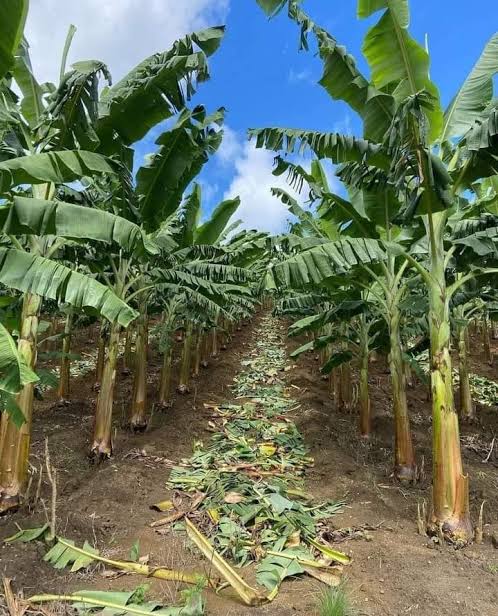
Plantain grows best in:
- Deep, fertile loamy soil.
- Soil rich in organic matter.
- Well-drained land.
- Soil pH between 5.5 and 7.0.
Avoid:
- Waterlogged land.
- Rocky soil.
- Very sandy soil with poor water retention.
Land Preparation
Before planting:
- Clear bushes and weeds.
- Remove tree stumps and stones.
- Plough or loosen the soil if necessary.
- Dig planting holes about 45–60 cm deep and wide.
- Mix topsoil with compost or well-rotted manure before planting.
Good land preparation improves root growth and plant health.
Choosing Healthy Planting Materials
Always plant:
- Disease-free suckers.
- Sword suckers (preferred over water suckers).
- Tissue-cultured plantlets where available.
Healthy planting materials produce healthier and more productive plantations.
Planting Spacing
Proper spacing improves sunlight penetration and air circulation.
Recommended spacing:
- 3 m × 3 m (about 1,100 plants per hectare).
- 2.5 m × 3 m for intensive farming.
Avoid overcrowding, as it increases disease risk and reduces bunch size.
How to Plant Plantain
- Place the sucker upright in the hole.
- Cover the roots with fertile soil.
- Press the soil firmly around the base.
- Water immediately if rainfall is insufficient.
- Apply mulch around the plant without touching the stem.
Weather Conditions for Planting
Ideal conditions include:
- Moist soil.
- Cloudy or cool weather.
- Rain expected within a few days.
- Moderate temperatures between 25°C and 30°C.
Avoid planting during extremely hot afternoons.
Common Mistakes Beginners Make
Many new farmers make avoidable errors, such as:
- Planting during peak dry season without irrigation.
- Using unhealthy suckers.
- Planting in waterlogged areas.
- Poor spacing.
- Not applying organic manure.
- Allowing weeds to compete with young plants.
- Ignoring pest and disease control.
Avoiding these mistakes can significantly improve your harvest.
After Planting
The first three months are critical.
You should:
- Weed regularly.
- Apply organic manure or fertilizer when needed.
- Mulch to retain moisture.
- Remove diseased leaves.
- Control pests and diseases.
- Water during dry periods.
Good maintenance leads to stronger plants and higher yields.
How Long Before Harvest?
Depending on the variety and growing conditions:
- First harvest: 9–15 months after planting.
- Subsequent harvests from ratoon crops: every 8–12 months.
Proper management can keep a plantation productive for several years.
Factors That Affect the Best Planting Time
The ideal planting period depends on:
- Local rainfall patterns.
- Soil moisture.
- Availability of irrigation.
- Climate.
- Variety of plantain.
- Farm management practices.
Always consider your local weather conditions before planting.
Benefits of Planting at the Right Time
Planting at the correct time helps you:
- Achieve higher survival rates.
- Produce healthier plants.
- Harvest larger bunches.
- Reduce irrigation costs.
- Lower the risk of drought stress.
- Increase overall farm profitability.
Final Thoughts
The best time to plant plantain is at the start of the rainy season, when the soil is moist and rainfall is consistent. This gives young plants the best chance to establish strong roots and develop into healthy, high-yielding crops. With proper land preparation, healthy planting materials, correct spacing, and good farm management, even beginners can build a productive and profitable plantain plantation.
Leave a Reply