
Cattle diseases such as Foot-and-Mouth Disease (FMD) and Trypanosomiasis are major threats to livestock health and productivity in Nigeria and across Africa. These diseases can cause serious economic losses, reduce milk and meat production, and even lead to the death of affected animals. Every cattle farmer must understand the importance of vaccination, biosecurity, and regular veterinary check-ups to ensure a healthy and profitable farm.
1. Understanding Common Cattle Diseases in Nigeria
Two of the most common and dangerous cattle diseases in Africa include:
Foot-and-Mouth Disease (FMD)
FMD is a highly contagious viral disease that affects cattle, sheep, goats, and pigs. It causes fever, blisters in the mouth and hooves, and reduced milk production. Outbreaks can spread rapidly within and between herds.
Prevention Tips:
- Vaccinate cattle regularly against FMD.
- Limit movement of animals between farms.
- Disinfect equipment, vehicles, and footwear before entering cattle areas.
Trypanosomiasis (Animal Sleeping Sickness)
This disease is transmitted by tsetse flies and affects the blood and nervous system of cattle. Symptoms include weakness, weight loss, fever, and reduced productivity.
Prevention Tips:
- Use insecticides or pour-on treatments to control tsetse flies.
- Clear bushes and tall grasses where tsetse flies breed.
- Seek veterinary advice for early diagnosis and treatment.
2. Importance of Vaccination
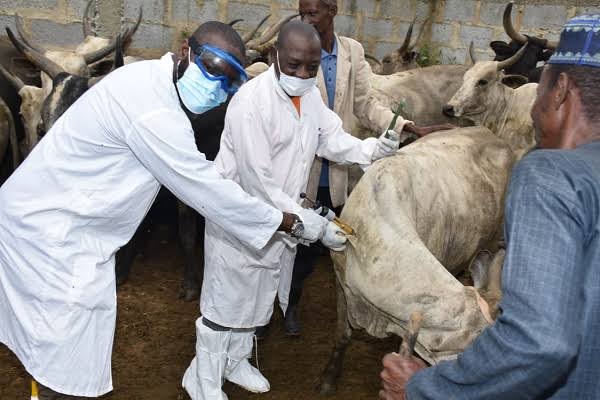
Vaccination is the most effective and affordable way to protect cattle from deadly diseases. Regular vaccination helps:
- Prevent outbreaks of contagious diseases.
- Improve herd immunity and productivity.
- Save farmers from high treatment and replacement costs.
Always follow the vaccination schedule provided by your veterinarian and ensure records are properly kept for each animal.
3. Practicing Biosecurity on the Farm
Biosecurity means protecting your farm from disease entry and spread. Every cattle farmer should adopt these measures:
- Quarantine new animals for at least 14 days before mixing with the herd.
- Maintain clean water and feeding troughs.
- Avoid sharing tools or equipment with other farms.
- Control visitors and movement of people within the farm.
Simple hygiene practices can go a long way in keeping diseases away.
4. Regular Veterinary Check-ups
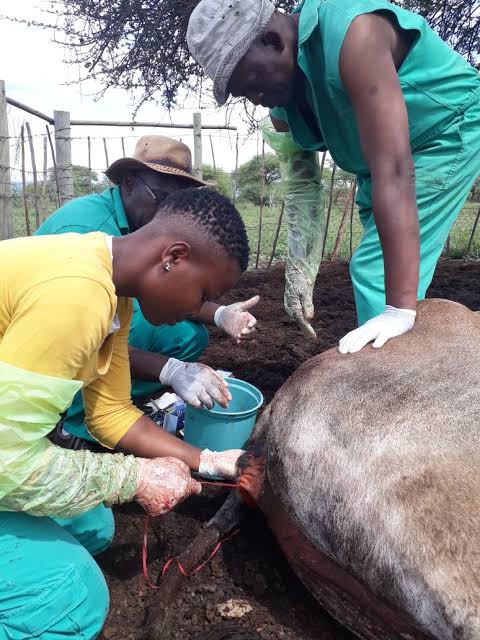
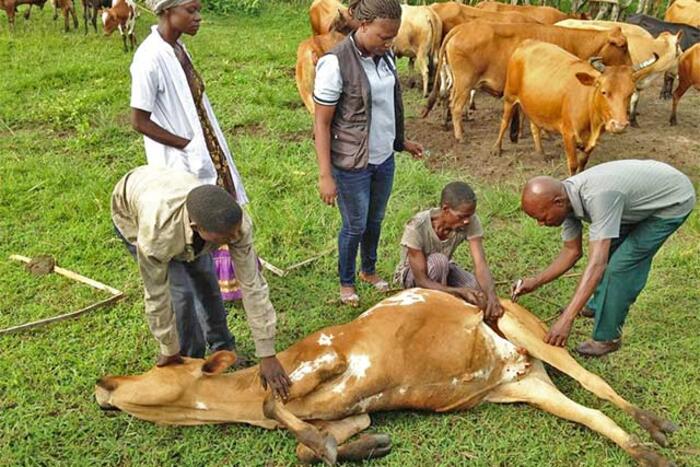
Many farmers wait until cattle fall sick before calling a veterinarian. This should change. Regular veterinary visits help detect diseases early and keep animals in good health. A vet can help with:
- Routine health checks and deworming.
- Vaccination planning and disease prevention.
- Feeding and breeding advice to improve productivity.
5. The Role of Mobile Veterinary Services
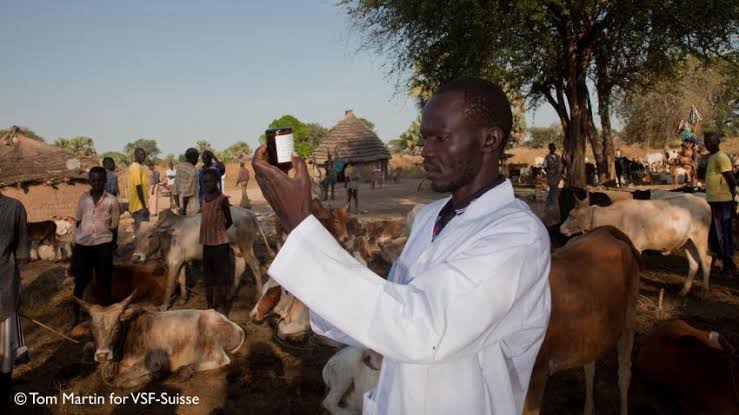
In rural areas where access to veterinary clinics is limited, mobile veterinary services are making a huge difference. These services bring professional animal healthcare directly to farmers, saving time and reducing livestock losses.
Encouraging mobile vet units can help rural cattle farmers get:
- On-site treatment and vaccination.
- Disease diagnosis and prevention training.
- Regular herd monitoring for better productivity.
Conclusion
Healthy cattle mean higher profits and sustainable farming. As a cattle farmer in Nigeria or Africa, always prioritize vaccination, biosecurity, and veterinary care to protect your herd. Take advantage of mobile veterinary services if available in your area, and never ignore signs of disease. Preventing infections is cheaper—and more rewarding—than treating them.