Common Mistakes That Reduce Profit in Cassava Farming
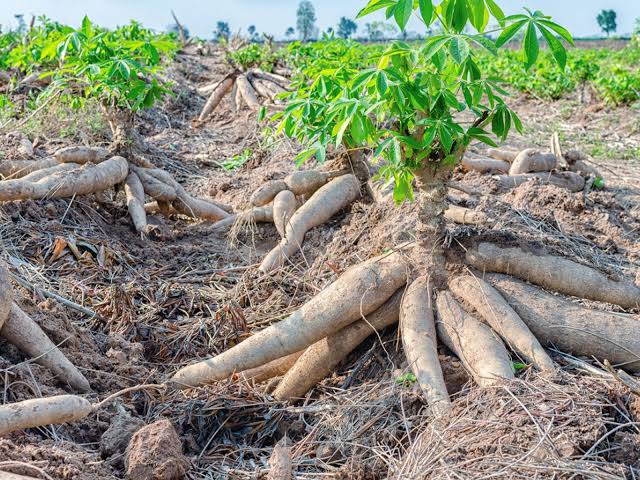
Cassava farming can be very profitable, but many farmers make simple mistakes that reduce their income. If you are a young farmer or planning to start cassava farming, learning these mistakes early will help you avoid losses and increase your profit.
1. Choosing the Wrong Land
Planting cassava on poor or waterlogged land reduces yield. Cassava grows best in well-drained, fertile, sandy loam or loamy soil. Always choose suitable farmland before planting.
2. Using Poor-Quality Stem Cuttings
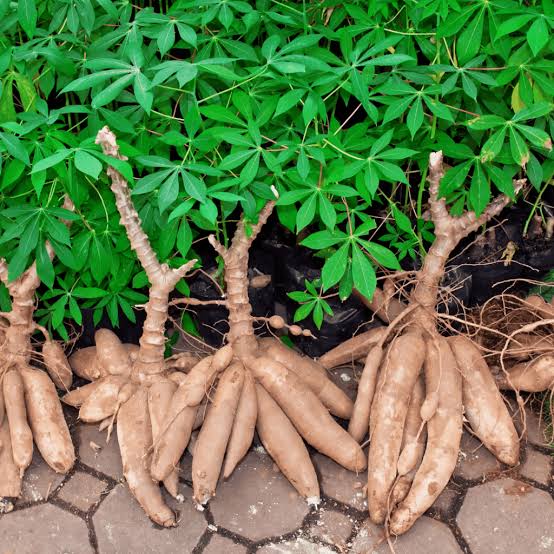
Some farmers use old, weak, or diseased cassava stems. This leads to poor germination, weak plants, and low harvest. Always use healthy, disease-free, improved cassava varieties from trusted sources.
3. Planting at the Wrong Time
Planting too early or too late can affect crop growth. The best time to plant cassava in most parts of Nigeria is at the beginning of the rainy season so the crop gets enough moisture.
4. Ignoring Soil Testing
Many farmers plant without knowing the condition of their soil. Soil testing helps you know the nutrients your land needs and the right fertilizer to apply.
5. Poor Land Preparation
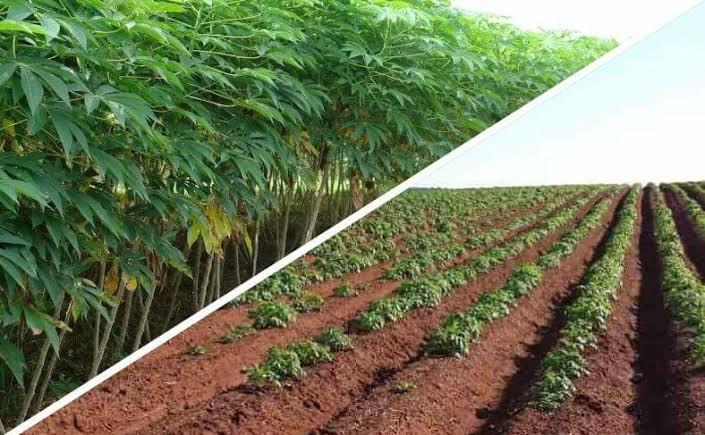
Planting without proper land clearing or ridging can reduce yield. Prepare the land properly by removing weeds, making ridges or mounds where necessary, and ensuring good drainage.
6. Wrong Plant Spacing
Planting cassava too close together causes competition for sunlight, nutrients, and water. Planting too far apart wastes land. Follow the recommended spacing for your cassava variety.
7. Delaying Weed Control
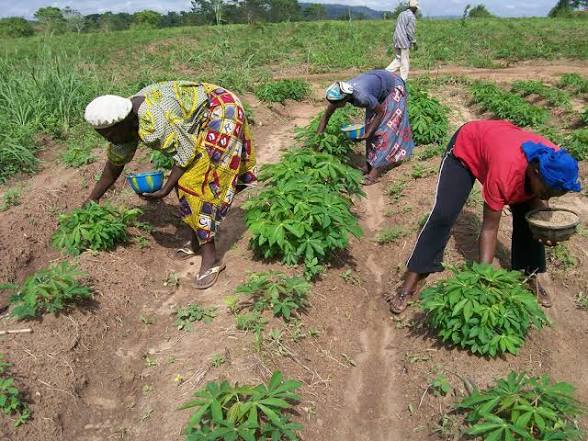
Weeds compete with cassava for nutrients, water, and sunlight. If weeds are not controlled early, they can reduce harvest significantly. Weed your farm regularly, especially during the first three to four months after planting.
8. Applying Fertilizer Incorrectly
Some farmers use too much fertilizer, while others use none at all. Apply the correct type and quantity based on soil test results or local agricultural recommendations.
9. Ignoring Pest and Disease Control
Cassava can be attacked by pests and diseases such as cassava mosaic disease, cassava bacterial blight, and green mites. Inspect your farm regularly and take action quickly if you notice any problem.
10. Harvesting Too Early
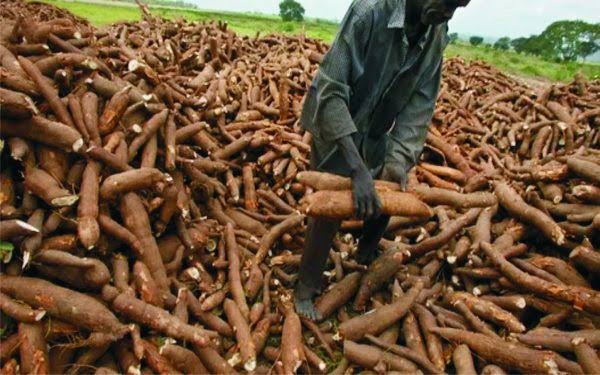
Harvesting before the roots fully mature reduces both yield and profit. Allow the cassava to reach the recommended harvesting age for the variety you planted.
11. Harvesting Too Late
Leaving cassava in the ground for too long may reduce quality. Some varieties become woody, while others lose market value. Harvest at the right time.
12. Poor Storage After Harvest
Fresh cassava roots spoil quickly after harvesting. Sell, process, or store them properly as soon as possible to avoid losses.
13. Depending on One Buyer
Selling to only one buyer may force you to accept low prices. Compare prices from different buyers, processors, and local markets before selling.
14. Not Adding Value
Many farmers sell only fresh cassava roots. Processing cassava into garri, fufu, flour, starch, chips, or high-quality cassava flour can increase your income.
15. Poor Record Keeping
Some farmers do not keep records of expenses, harvest, and sales. Farm records help you know whether your business is making a profit and where to improve.
16. Borrowing Money Without a Plan
Taking loans without a clear repayment strategy can create financial problems. Borrow only when necessary and invest the money wisely.
17. Ignoring Weather Changes
Climate change affects rainfall and farming activities. Monitor weather forecasts and plan your planting and harvesting accordingly.
18. Failing to Learn New Farming Methods
Agriculture is changing every year. Farmers who refuse to learn new techniques often produce lower yields than those who adopt improved farming practices.
19. Poor Farm Hygiene
Leaving diseased plants, weeds, and crop residues on the farm can increase the spread of pests and diseases. Keep your farm clean throughout the growing season.
20. Farming Without a Market Plan
Growing cassava without knowing who will buy it can lead to low prices or unsold produce. Before planting, identify potential buyers such as processors, factories, wholesalers, and local markets.
Final Advice
Cassava farming is a profitable agribusiness when it is managed properly. Avoiding these common mistakes will help you increase your yield, reduce unnecessary costs, and earn more money. Success in cassava farming comes from good planning, using quality planting materials, proper farm management, and continuous learning. Treat your cassava farm as a business, not just a hobby, and you will have a better chance of building a successful farming career.
Leave a Reply