
Share the post "“Top Alternative Cattle Feeds in Nigeria: Hydroponic Fodder, Silage & Local Feed Options”"
Cattle farming in Nigeria comes with many challenges, particularly the high cost and seasonal scarcity of conventional feeds like hay and commercial concentrates. To maintain healthy, productive herds, farmers can explore alternative feeding strategies that are cost-effective, sustainable, and readily available. This guide will focus on hydroponic fodder, silage, and locally sourced feeds such as cassava peels and palm kernel cake.
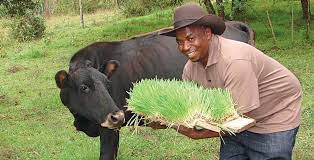
1. Hydroponic Fodder: Green Feed All Year Round
Hydroponic fodder involves growing cereal grains like maize, sorghum, or barley in a controlled environment without soil, providing fresh, nutritious fodder in just 7–10 days.
Benefits:
- Consistent supply: Unlike pasture, hydroponic fodder is available year-round.
- High digestibility: Young shoots are rich in nutrients and easily digested by cattle.
- Space-saving: Ideal for small-scale farms with limited land.
- Reduced feed cost: Less reliance on expensive commercial feeds.
Tips for Nigerian Farmers:
- Start with maize or sorghum grains, which are locally available.
- Maintain proper hygiene to avoid mold growth.
- Feed 5–10 kg per cow daily depending on herd size.
2. Silage: Preserving Feed for Lean Seasons
Silage is fermented, high-moisture fodder that can be made from grasses, maize stalks, and legumes. It is especially valuable during the dry season when fresh pasture is scarce.
Benefits:
- Nutrient retention: Fermentation preserves essential nutrients.
- Long-term storage: Can be stored for months without spoilage.
- Improved animal performance: Supports weight gain and milk production.
How to Make Silage:
- Chop fresh green fodder into small pieces.
- Pack tightly into silos or airtight plastic bags to exclude air.
- Allow to ferment for 21–30 days before feeding.
3. Locally Sourced Feed Ingredients
Nigeria produces various agricultural by-products that can supplement cattle diets at low cost.
a) Cassava Peels
- Rich in energy when processed correctly.
- Should be fermented or sun-dried to reduce cyanide content.
b) Palm Kernel Cake (PKC)
- By-product of palm oil production, high in protein and fiber.
- Can replace part of commercial concentrates.
c) Other Options
- Maize bran, rice bran, groundnut cake, and brewery waste are also excellent supplements.
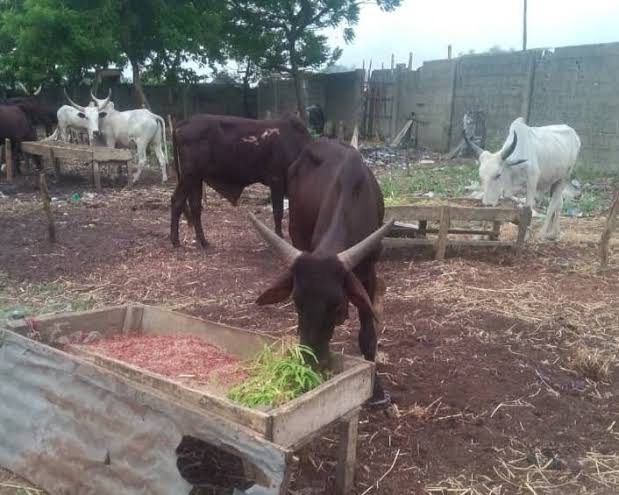
Practical Tips for Nigerian Cattle Farmers
- Always balance rations to meet protein, energy, and fiber requirements.
- Introduce alternative feeds gradually to avoid digestive problems.
- Combine these feeds with good water supplyand pasture access for optimal results.
Conclusion
By adopting hydroponic fodder, silage, and locally sourced feed ingredients, Nigerian cattle farmers can reduce feed costs, ensure year-round nutrition, and increase herd productivity. These strategies are not only economically viable but also environmentally sustainable, making them essential tools for modern cattle farming in Africa.