Cassava Farming Business Plan
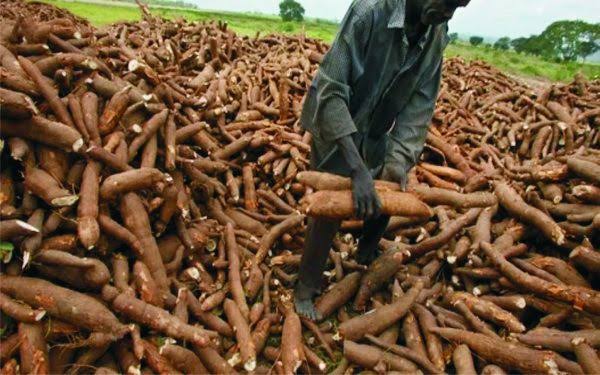
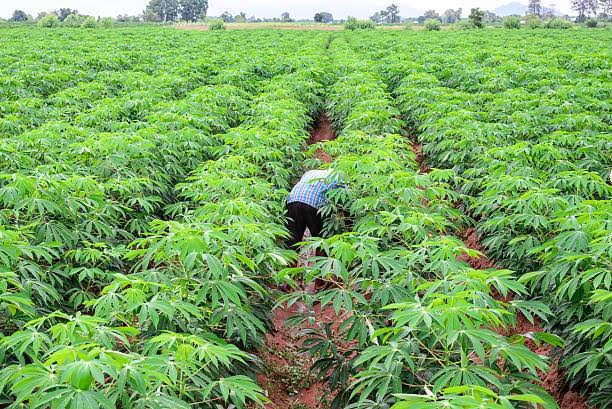
Cassava farming is one of the most profitable agricultural businesses in Nigeria and many African countries. Cassava is a staple food, an industrial raw material, and a source of income for millions of farmers. It is used to produce garri, fufu, cassava flour, starch, ethanol, animal feed, chips, and many other products.
If you are a young farmer or someone planning to start a cassava farming business, having a good business plan will help you reduce risks, manage your farm properly, and increase your chances of making a profit.
What Is a Cassava Farming Business Plan?
A cassava farming business plan is a written document that explains how you intend to start, manage, and grow your cassava farm. It outlines your goals, expected costs, production methods, marketing strategy, and projected income.
A business plan serves as a roadmap that guides every stage of your farming journey.
Why You Need a Business Plan
A business plan helps you:
- Set clear farming goals.
- Estimate the amount of money you need.
- Avoid unnecessary expenses.
- Plan your farm activities.
- Secure loans or investment if needed.
- Monitor your farm’s progress.
- Improve profitability.
Decide the Type of Cassava Farming
Before investing, decide the purpose of your farm.
You can grow cassava for:
- Garri production
- Fufu production
- High-quality cassava flour
- Cassava starch processing
- Ethanol production
- Animal feed
- Cassava chips
- Selling fresh cassava roots
- Selling cassava stems for planting
Some farmers combine root production with stem sales to earn additional income.
Conduct Market Research
Study your local market before planting.
Find answers to these questions:
- Who will buy your cassava?
- Which cassava products are in high demand?
- What are the current market prices?
- Which season offers the best prices?
- Who are your competitors?
Knowing your market before planting reduces the risk of losses.
Choose a Suitable Farm Location
A good farm should have:
- Fertile, well-drained soil.
- Good road access.
- Reliable water supply.
- Enough sunlight.
- Security against theft.
- Access to labour.
- Nearby markets or processors.
Avoid waterlogged areas because excessive moisture can reduce cassava yield.
Estimate Your Startup Capital
Your budget should include:
- Land purchase or lease.
- Land clearing.
- Soil testing.
- Improved cassava stems.
- Planting labour.
- Fertilizers.
- Herbicides.
- Pest and disease control.
- Farm tools.
- Transportation.
- Harvesting costs.
- Storage.
- Miscellaneous expenses.
Keeping a detailed budget helps prevent overspending.
Select Improved Cassava Varieties
Improved varieties generally produce higher yields and are more resistant to pests and diseases.
When choosing planting materials, look for:
- High yield.
- Early maturity.
- Disease resistance.
- Good starch content.
- Healthy, disease-free stems.
Always obtain planting stems from trusted sources.
Land Preparation
Proper land preparation improves plant growth.
Activities include:
- Clearing bushes.
- Removing tree stumps.
- Ploughing if necessary.
- Harrowing.
- Making ridges or mounds where appropriate.
Well-prepared land encourages healthy root development.
Planting
Use healthy stem cuttings.
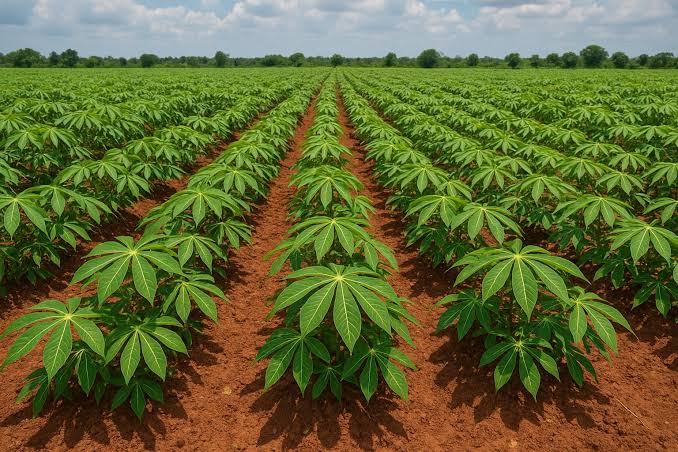
Plant at the recommended spacing to allow enough room for growth.
Plant at the beginning of the rainy season in most parts of Nigeria for better establishment.
Farm Management
Successful cassava farming requires proper management.
Carry out regular:
- Weed control.
- Fertilizer application where necessary.
- Pest monitoring.
- Disease inspection.
- Replacement of dead plants.
- Field sanitation.
Proper management leads to higher yields.
Harvesting
Most cassava varieties mature between 9 and 18 months depending on the variety and intended use.
Harvest when the roots have reached market size and quality.
Harvesting too early reduces yield, while delaying too long may reduce root quality for some processing purposes.
Marketing Strategy
Do not wait until harvest before looking for buyers.
Potential buyers include:
- Garri processors.
- Flour mills.
- Starch factories.
- Ethanol companies.
- Animal feed manufacturers.
- Local markets.
- Food processing companies.
- Exporters.
- Retail traders.
Building relationships with buyers before harvest can help secure better prices.
Keep Proper Farm Records
Every successful farmer keeps records.
Record:
- Planting dates.
- Expenses.
- Labour costs.
- Fertilizer use.
- Herbicide use.
- Harvest quantity.
- Sales.
- Profit and loss.
Good records help you improve future farming decisions.
Risks in Cassava Farming
Every business has risks.
Common risks include:
- Poor rainfall.
- Flooding.
- Drought.
- Pest attacks.
- Diseases.
- Poor market prices.
- Theft.
- Rising input costs.
- Poor-quality planting materials.
Planning ahead helps reduce these risks.
Ways to Increase Profit
To earn more from cassava farming:
- Use improved cassava varieties.
- Plant at the right time.
- Control weeds early.
- Apply fertilizers based on soil needs.
- Harvest at the right maturity.
- Sell to processors offering better prices.
- Process cassava into value-added products.
- Sell healthy cassava stems.
- Expand gradually as profits grow.
Common Mistakes Beginners Should Avoid
Many new farmers make avoidable mistakes.
Avoid:
- Starting without a business plan.
- Planting unhealthy stems.
- Ignoring soil testing.
- Poor weed control.
- Delaying harvesting unnecessarily.
- Depending on only one buyer.
- Failing to keep financial records.
- Underestimating labour costs.
Learning from these mistakes can save both time and money.
Conclusion
Cassava farming is more than planting stems in the ground. It is a business that requires planning, proper management, and smart marketing. A well-prepared business plan helps young farmers understand the costs, manage risks, attract buyers, and achieve long-term success.
With dedication, continuous learning, and good farming practices, cassava farming can become a sustainable source of income and contribute to food security and economic development.
Leave a Reply