
Cattle rearing in Nigeria is one of the most profitable agribusinesses that anyone can venture into. With the growing demand for beef, milk, hides, and other by-products, starting a cattle farm can generate consistent income if managed properly. In this article, you’ll learn how to start cattle rearing in Nigeria and become highly successful, even as a beginner.
What Is Cattle Rearing?
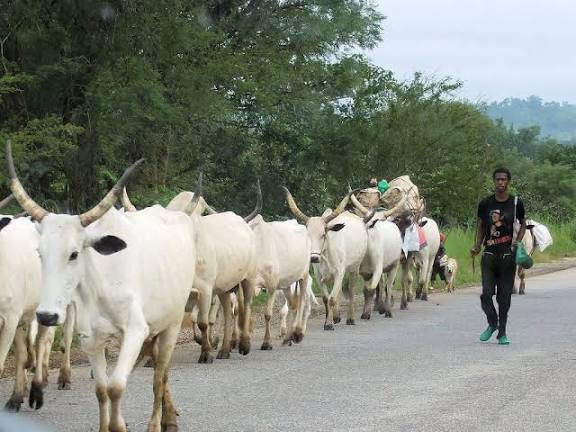
Cattle rearing, also known as cattle farming, is the process of raising cows for meat (beef), milk, hides, and breeding purposes. In Nigeria, it is a traditional and commercial practice common among the Fulani and Hausa communities but now adopted by many modern farmers across the country.
Why You Should Start Cattle Rearing in Nigeria
Cattle farming is a multi-billion-naira industry that keeps expanding due to the high demand for beef and dairy products. Here are some key benefits:
- High market demand – Nigerians consume large quantities of beef daily.
- Multiple income streams – You can earn from beef, milk, dung (used as manure), and hides.
- Long-term investment – Cattle increase in value as they grow.
- Low competition – Few farmers are involved compared to poultry or fish farming.
Steps to Start a Successful Cattle Rearing Business in Nigeria
1. Conduct Feasibility Study and Research
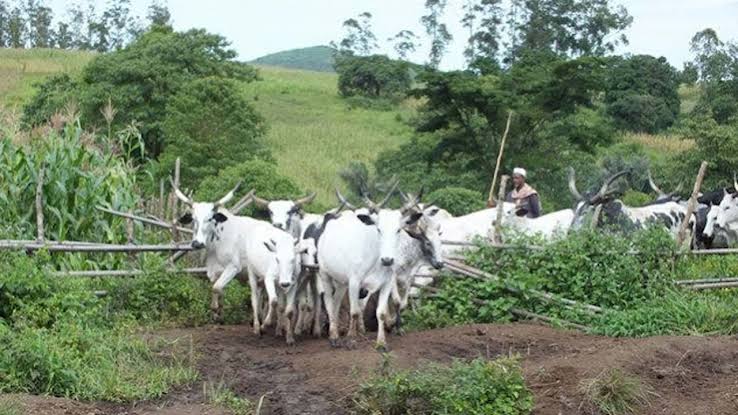
Start by researching cattle breeds, feeding systems, and environmental requirements. Learn from experienced cattle farmers and visit existing farms to understand how the business operates in your area.
2. Choose the Right Cattle Breed
Selecting the right breed is crucial. Some of the most profitable cattle breeds in Nigeria include:
- White Fulani (Bunaji): Very common and hardy.
- Sokoto Gudali: Known for good milk and meat yield.
- Muturu: Small-sized and resistant to diseases.
- Friesian or Holstein: Best for commercial dairy farming.
Choose a breed that suits your farming goals and location.
3. Get Suitable Land and Housing
You need spacious land for grazing and shelter. The land should have access to water and pasture.
For intensive farming, build:
- Well-ventilated sheds
- Feeding troughs
- Water troughs
- Fencing for security
4. Feed and Water Management
Feed cattle with quality pasture, hay, and supplements. You can also plant grasses like Guinea grass, Elephant grass, or Stylosanthes.
Always ensure constant clean water supply, as cattle drink a lot daily.
5. Health Care and Veterinary Services
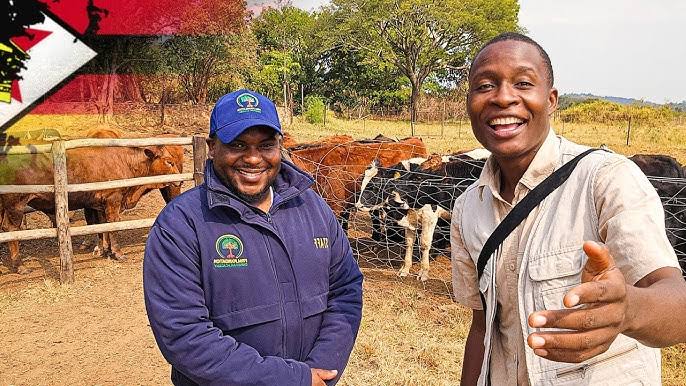
Engage a qualified veterinarian to handle vaccination, deworming, and disease prevention. Common cattle diseases in Nigeria include:
- Foot and mouth disease
- Trypanosomiasis (Tsetse fly infection)
- Bovine tuberculosis
Regular checkups help prevent loss.
6. Employ Skilled Workers
Hire experienced herders or farmhands who understand animal handling, feeding, and hygiene. Good labor leads to healthier and more productive cattle.
7. Breeding and Calf Management
Plan your breeding system (natural or artificial insemination).
Carefully manage pregnant cows and calves to ensure healthy reproduction and continuity of your herd.
8. Marketing and Sales
Create a marketing plan before you start selling. You can supply to:
- Butchers and abattoirs
- Restaurants and hotels
- Local markets
- Direct consumers
Branding and digital marketing can help you reach more customers fast.
9. Record Keeping
Keep proper records of:
- Feeding schedules
- Health treatments
- Birth and sales
- Expenses and income
This helps you track your farm’s performance and profitability.
How Much Does It Cost to Start Cattle Rearing in Nigeria?
The cost of starting cattle farming depends on the scale. Here’s a basic estimate:
| Item | Estimated Cost (₦) |
|---|---|
| Land purchase/lease | ₦500,000 – ₦2,000,000 |
| 5–10 cattle | ₦1,500,000 – ₦3,000,000 |
| Housing/shed | ₦300,000 – ₦800,000 |
| Feed and supplements | ₦200,000 – ₦500,000 |
| Veterinary and labor | ₦100,000 – ₦300,000 |
| Total Estimate: | ₦2.5M – ₦6M |
You can start small and expand as you grow.
Tips to Be Highly Successful in Cattle Rearing
- Start small and scale gradually.
- Learn from experienced cattle farmers.
- Use modern management practices.
- Maintain strict hygiene.
- Always reinvest your profit to expand the farm.
Final Thoughts
Starting cattle rearing in Nigeria can make you financially independent if done with the right knowledge and management. With the increasing demand for meat and dairy products, this is one agribusiness that guarantees long-term profit and sustainability.
Whether you’re in the North, South, East, or West, cattle farming in Nigeria remains a goldmine waiting to be tapped.
Leave a Reply