
How to Care for Day-Old Turkeys (Poults)
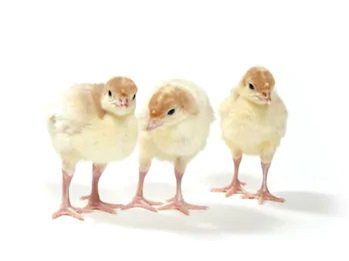
Turkey farming is becoming one of the most profitable areas of poultry farming. However, many young farmers lose their birds during the first few weeks because they do not properly care for day-old turkey poults. The early stage of a turkey’s life is very delicate, and proper management is the key to raising healthy and productive birds.
Understanding Day-Old Turkey Poults
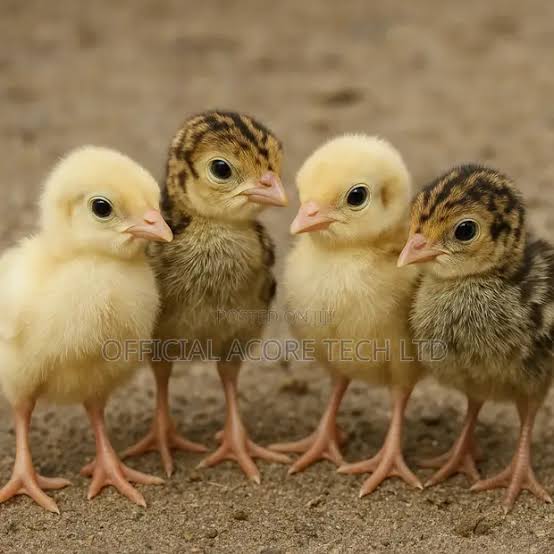
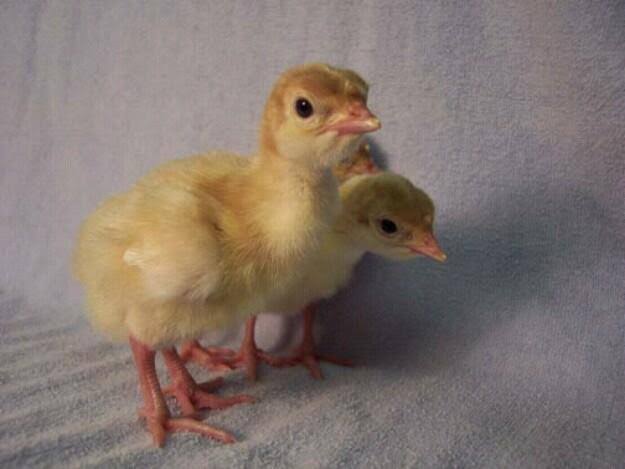
Day-old turkeys, also known as poults, are young baby turkeys that need extra care, warmth, clean water, quality feed, and protection from diseases. Unlike chicks, turkey poults are more sensitive and require close attention during their first 6–8 weeks of life.
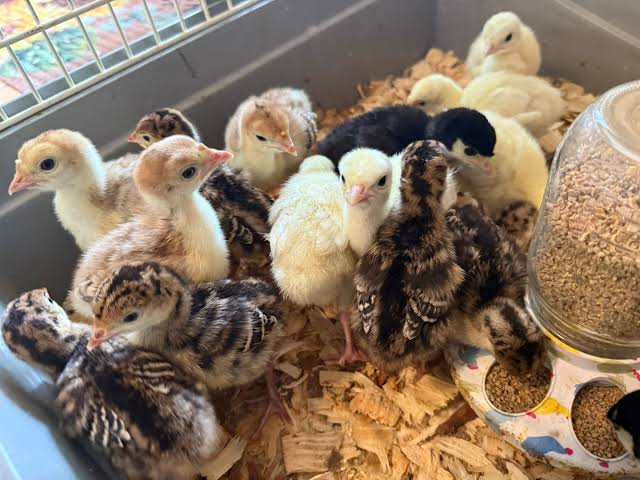
Young farmers who want to succeed in turkey farming must learn how to manage poults properly from the very first day.
Preparing the Brooder House
Before bringing the poults home, prepare a clean and safe brooder house.
Important Things to Prepare:
- Clean and disinfect the house properly
- Use dry wood shavings as bedding
- Ensure good ventilation
- Prevent cold air and strong wind from entering
- Provide enough space to avoid overcrowding
The brooder should be warm and comfortable because poults cannot regulate their body temperature properly.
Proper Brooding Temperature
Heat is extremely important for day-old turkeys.
Recommended Temperature:
- Week 1: 35°C–37°C
- Reduce temperature gradually every week
You can use:
- Charcoal pot
- Gas brooder
- Electric bulb
- Kerosene stove
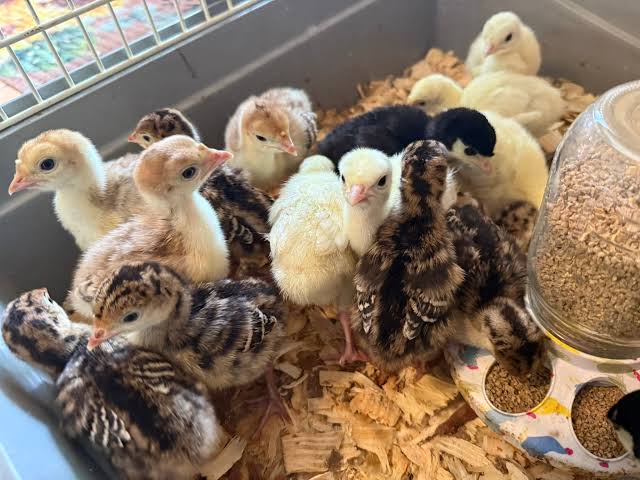
Watch the behavior of the poults:
- If they gather close to the heat source, they are cold
- If they move far away from the heat, the temperature is too high
- If they spread evenly, the temperature is good
Feeding Day-Old Turkeys
Turkey poults need high-quality starter feed rich in protein for proper growth.
Feeding Tips:
- Use turkey starter feed with 24–28% protein
- Feed should always be fresh and clean
- Provide feed several times daily
- Remove wet or spoiled feed immediately
Young poults may not know how to eat immediately. Farmers should gently teach them by tapping the feed tray.
Clean Water Management
Clean water is very important for turkey survival.
Water Tips:
- Provide fresh and clean water always
- Use shallow drinkers to prevent drowning
- Add glucose and vitamins during the first few days
- Wash drinkers daily
Dirty water can quickly spread diseases among poults.
Lighting for Poults
Provide light especially during the first few weeks.
Benefits of proper lighting:
- Helps poults find feed and water
- Encourages faster growth
- Reduces stress and weakness
Continuous light during the first week is highly recommended.
Disease Prevention and Vaccination
Turkey poults are sensitive to diseases, especially when the environment is dirty.
Prevention Tips:
- Keep the brooder dry and clean
- Avoid overcrowding
- Isolate sick birds immediately
- Follow proper vaccination schedules
- Limit visitors to the poultry house
Consult a poultry veterinarian for proper vaccination and medication guidance.
Common Mistakes Young Farmers Should Avoid
1. Poor Heating
Cold poults become weak and may die quickly.
2. Overcrowding
Too many birds in a small space can cause stress and disease spread.
3. Dirty Water and Feeders
This increases the risk of infections.
4. Poor Quality Feed
Low-quality feed leads to slow growth and poor health.
5. Lack of Observation
Farmers should check poults regularly for signs of sickness or weakness.
Signs of Healthy Turkey Poults
Healthy poults usually:
- Eat actively
- Move around freely
- Have bright eyes
- Produce normal droppings
- Respond quickly to sound
Any weak or inactive bird should be monitored immediately.
Conclusion
Caring for day-old turkeys requires patience, attention, and proper management. Young farmers who provide good heat, quality feed, clean water, proper hygiene, and disease prevention will enjoy healthy birds and profitable turkey farming.
Turkey farming can become a successful agribusiness for young entrepreneurs when the poults are properly managed from the first day.
Leave a Reply