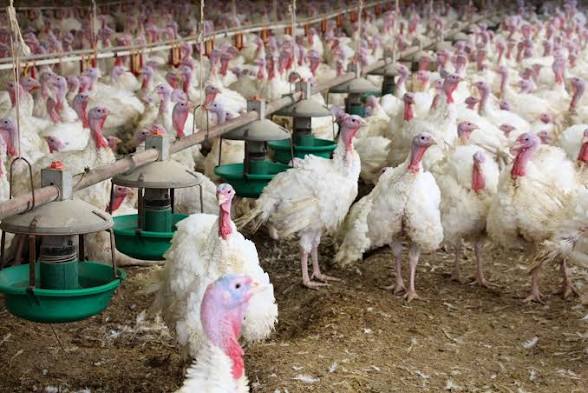
Introduction to Turkey Farming
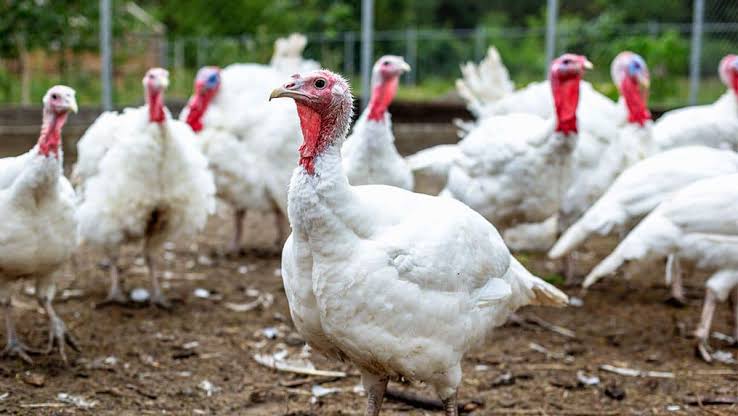
Turkey farming is one of the fast-growing poultry businesses that provides farmers with opportunities to earn good income through the production of turkey meat, eggs, and breeding stock. Turkeys are large domestic birds known for their fast growth, strong body size, and high-quality meat, which is highly demanded during festive periods, ceremonies, hotels, restaurants, and in local markets.
For young farmers and individuals who want to go into poultry farming, turkey farming can be a profitable and rewarding business when managed properly. Turkeys are hardy birds that can adapt to different environments, especially when provided with proper housing, feeding, clean water, and good health management practices.
One major advantage of turkey farming is that turkeys grow bigger than chickens, which means farmers can make higher profits from each bird sold. Turkey meat is also nutritious, low in fat, and rich in protein, making it popular among consumers who prefer healthy meat options.
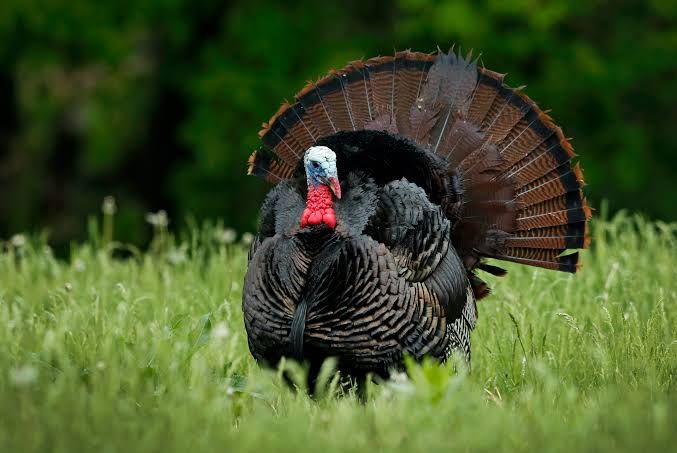
Before starting turkey farming, beginners must understand the basic requirements needed for success. These include selecting healthy turkey poults, building suitable housing, providing quality feed, maintaining farm cleanliness, and preventing diseases through proper vaccination and biosecurity measures.
There are different systems of turkey farming, including free-range, semi-intensive, and intensive systems. Farmers can choose the method that best suits their budget, available land, and management capacity. Beginners are often advised to start with a small number of birds so they can gain experience before expanding the farm.
Feeding is one of the most important aspects of turkey farming because turkeys require balanced nutrition for proper growth and development. Farmers should provide turkey starter feed for young poults, grower feed for developing birds, and finisher feed for mature turkeys. Clean water must also be available at all times.
Turkey farming also requires proper disease management. Common diseases such as fowl pox, coccidiosis, and respiratory infections can affect turkeys if hygiene is poor. Farmers should always keep the poultry house clean, avoid overcrowding, and follow recommended vaccination schedules.
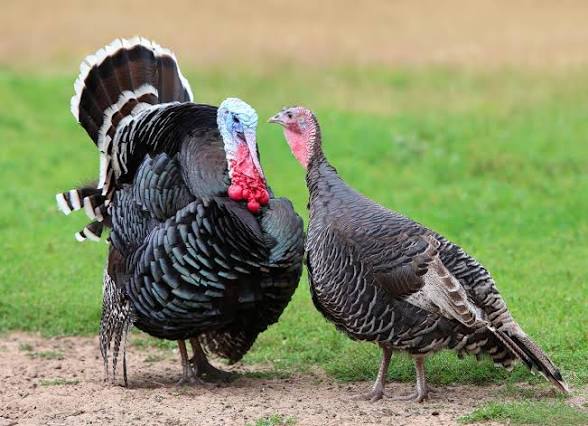
Marketing is another important part of the business. Farmers can sell live turkeys, processed turkey meat, turkey eggs, or breeding birds. Demand for turkeys usually increases during festive seasons such as Christmas, Easter, weddings, and celebrations, giving farmers opportunities to make more profit.
Young people are encouraged to consider turkey farming because it creates employment, supports food production, and can become a sustainable source of income. With proper planning, good management, patience, and continuous learning, turkey farming can grow from a small backyard project into a successful commercial poultry business.
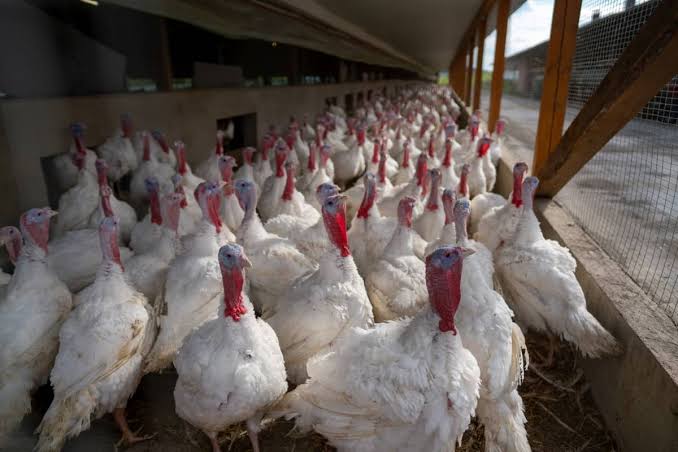
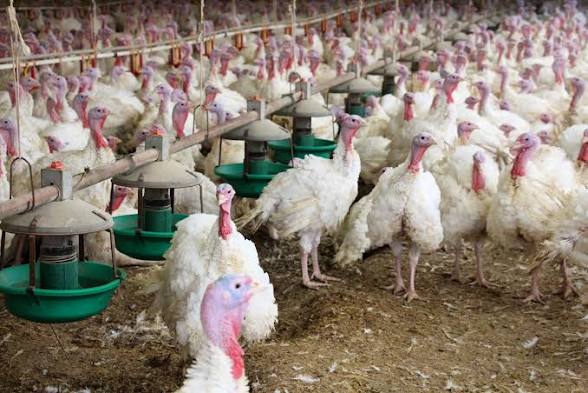
In conclusion, turkey farming is a profitable agricultural venture for young farmers and anyone interested in poultry production. Success in turkey farming depends on proper management, quality feeding, disease prevention, and good marketing strategies. Farmers who are dedicated and willing to learn modern poultry practices can achieve great success in the turkey farming industry.
Leave a Reply