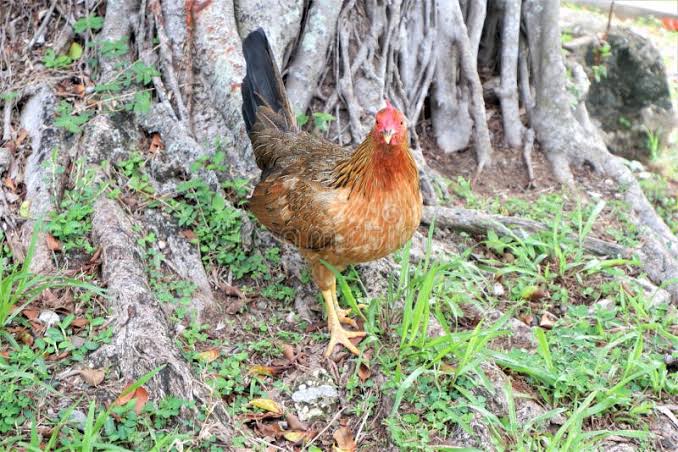
Indigenous/Local Breed Poultry Farming: A Guide for Young Farmers
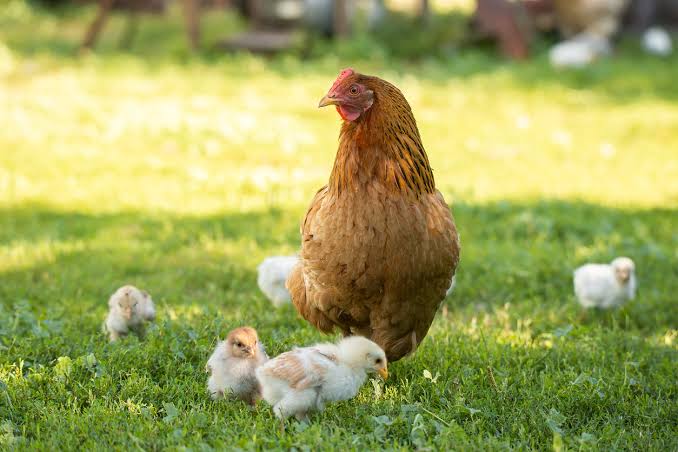
Indigenous or local breed poultry farming is one of the oldest and most natural forms of poultry production. These birds are commonly raised in villages and rural communities because they are strong, adaptable, and easy to manage.
Today, many young people are returning to indigenous poultry farming because local chickens have high market demand and are considered healthier and tastier by many consumers.
For young farmers who want to start poultry farming with lower risk and moderate capital, indigenous breed farming is a good opportunity.
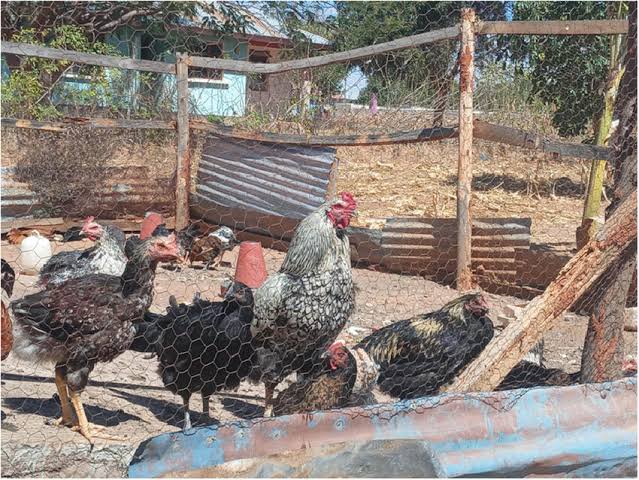
What Are Indigenous or Local Breeds?
Indigenous or local breeds are traditional chickens naturally adapted to local environmental conditions. They are different from commercial broilers and layers because they grow more slowly and survive better under local farming systems.
These birds are known for:
- Strong disease resistance
- Ability to survive harsh weather
- Natural breeding ability
- Lower management stress
- High market value
Local chickens are highly preferred for traditional meals and cultural ceremonies.
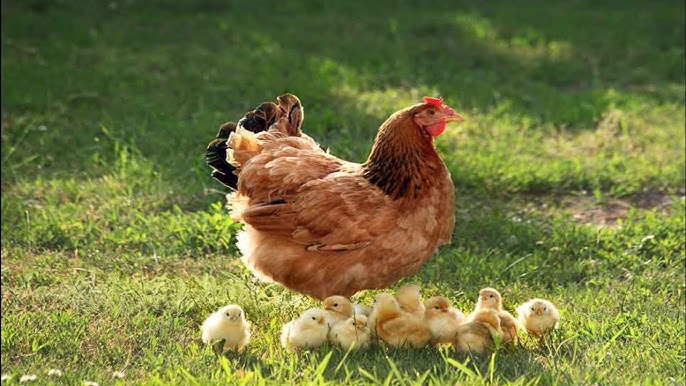
Why Young Farmers Should Consider Indigenous Poultry Farming
Indigenous poultry farming has many advantages:
- Lower startup costs
- Birds are hardy and adaptable
- Lower mortality rate
- High consumer demand
- Lower feeding expenses
- Suitable for rural and urban farming
Many consumers are willing to pay higher prices for local chickens because of their taste and natural rearing system.
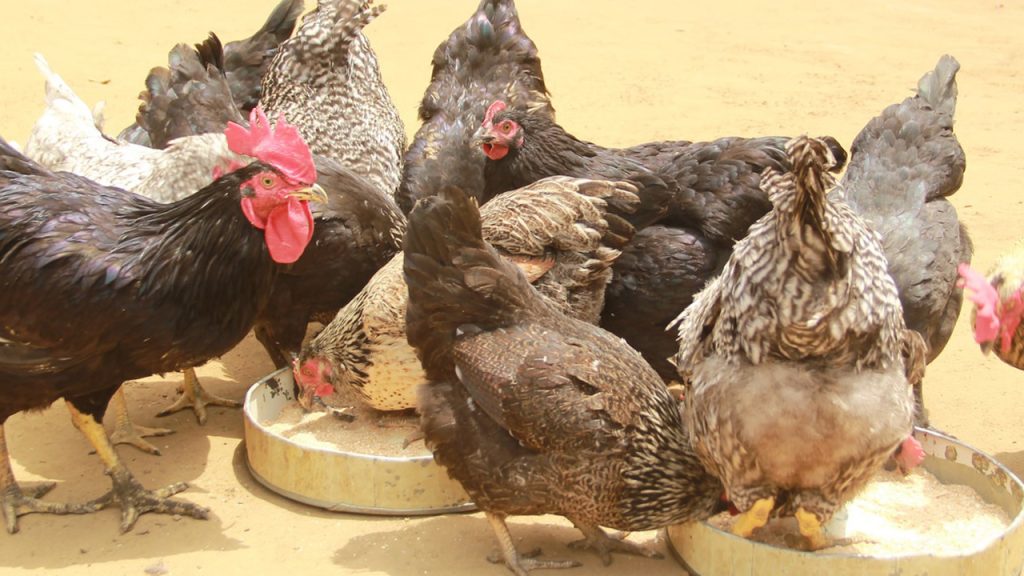
Choosing Healthy Indigenous Chicks
The success of poultry farming begins with healthy birds. Young farmers should:
- Buy healthy chicks from trusted farmers or hatcheries
- Select active birds
- Avoid weak or sick chicks
- Ensure proper vaccination
Healthy birds grow stronger and reduce losses.
Housing for Indigenous Chickens
Although local chickens are hardy, proper housing is still important. Poultry houses should:
- Protect birds from rain and predators
- Have good ventilation
- Be easy to clean
- Provide enough space for movement
Good housing improves growth and reduces disease outbreaks.
Feeding Indigenous Breeds
Local chickens can survive on scavenging, but good feeding improves growth and productivity.
Farmers should provide:
- Maize
- Grains
- Kitchen leftovers
- Green vegetables
- Commercial poultry feed when possible
- Clean drinking water
Balanced feeding helps birds gain healthy weight and improves egg production.
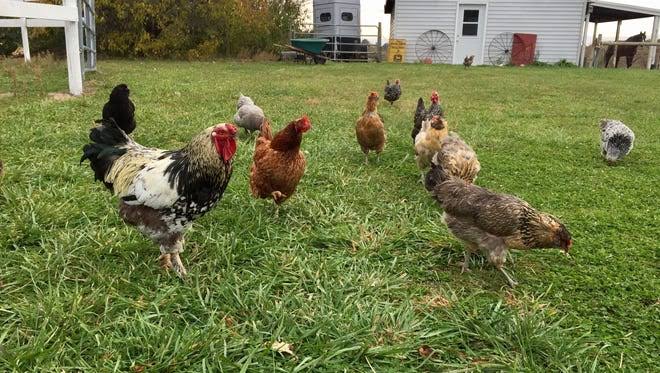
Free-Range and Semi-Intensive Systems
Many indigenous birds are raised under:
- Free-range system
- Semi-intensive system
These systems allow birds to move freely and search for natural food such as insects and grasses.
However, farmers should still provide supplementary feeding and protection.
Vaccination and Disease Prevention
Even though indigenous chickens are stronger than commercial breeds, they still need proper healthcare.
Farmers should:
- Vaccinate birds regularly
- Keep poultry houses clean
- Isolate sick birds
- Avoid overcrowding
Common poultry diseases include:
- Newcastle disease
- Fowl pox
- Coccidiosis
Disease prevention protects the flock and improves profitability.
Importance of Farm Hygiene
Clean environments improve bird health. Farmers should:
- Clean poultry houses regularly
- Replace dirty litter
- Wash feeders and drinkers
- Control rodents and pests
Good hygiene reduces disease spread.
Breeding Indigenous Chickens
One advantage of local breeds is their natural breeding ability. Farmers can:
- Hatch chicks naturally
- Select strong parent stock
- Improve flock quality gradually
Good breeding practices increase productivity.
Marketing Indigenous Chickens
Indigenous chickens have high demand in:
- Local markets
- Restaurants
- Hotels
- Traditional ceremonies
- Festive celebrations
Their eggs and meat are often sold at higher prices than commercial poultry products.
Record Keeping in Indigenous Poultry Farming
Young farmers should keep records of:
- Bird population
- Mortality
- Vaccination dates
- Feed expenses
- Sales and profits
Good record keeping helps improve business management.
Common Mistakes Young Farmers Should Avoid
- Poor housing
- Lack of vaccination
- Overcrowding birds
- Poor feeding
- Ignoring sick birds
- Lack of proper management
Avoiding these mistakes helps farmers grow healthier birds and increase profit.
How Young Farmers Can Become Better Indigenous Poultry Farmers
Young farmers should:
- Learn continuously about poultry management
- Start with manageable numbers
- Practice cleanliness
- Use proper feeding methods
- Follow vaccination schedules
- Be patient and disciplined
Success in farming comes from consistency and good management.
Benefits of Indigenous Poultry Farming
- Low production cost
- High market value
- Strong and hardy birds
- Suitable for rural communities
- Natural breeding ability
- Good source of income
Conclusion
Indigenous or local breed poultry farming is a profitable and sustainable business opportunity for young farmers. These birds are easier to manage, more resistant to diseases, and highly valued in many markets.
With proper feeding, housing, vaccination, and management, young farmers can build successful poultry businesses and improve their livelihoods through indigenous poultry production.
Leave a Reply