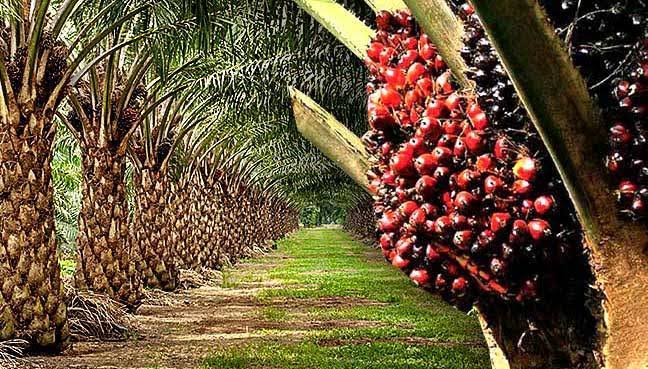
Climate Conditions Needed for Palm Trees: Guide for Young Palm Plantation Farmers
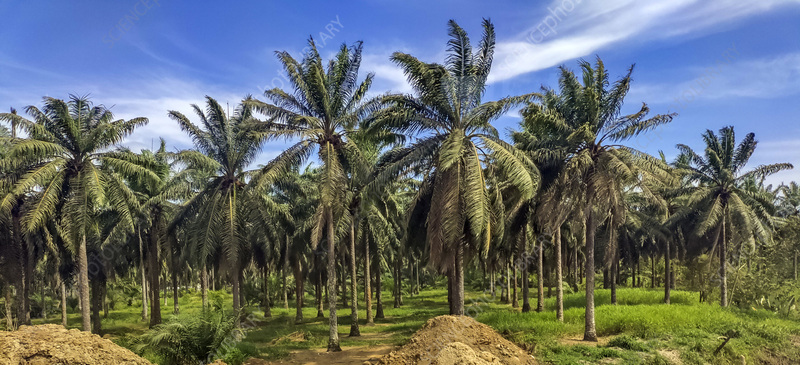
Palm tree farming can become a profitable agricultural business when the trees are planted in the right environmental conditions. For young farmers and people planning to enter palm plantation farming, understanding climate requirements is important because even good seedlings may perform poorly if the weather and environment are unsuitable.
1. Warm Temperature
Palm trees grow best in warm climates.
Ideal temperature range:
- 24°C – 32°C
- Temperatures below 18°C can slow growth
- Extremely cold weather can damage young palm plants
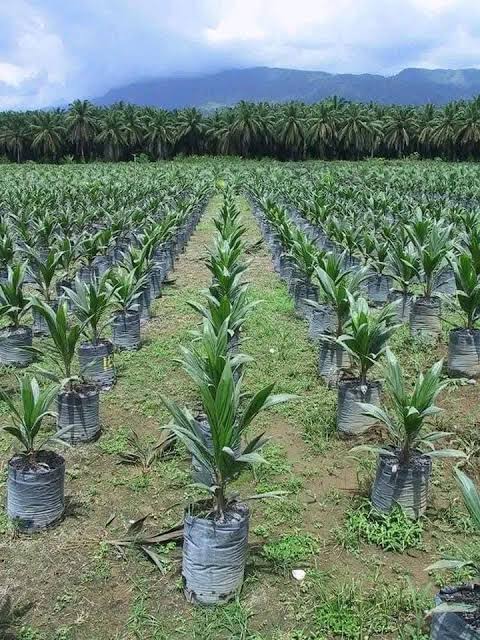
Oil palm trees are tropical crops, which means they perform better in places with consistent warmth throughout the year.
Farmer tip: Avoid planting palm trees in areas that experience long periods of cold weather.
2. Adequate Rainfall
Palm trees require a good amount of rainfall for healthy growth.
Recommended rainfall:
- 1,800 mm – 2,500 mm annually
- Rain should be distributed evenly throughout the year
Low rainfall may cause:
- Slow growth
- Small fruit bunches
- Reduced oil production
Farmer tip: If rainfall is low in your area, irrigation may help young palms survive during dry periods.
3. Plenty of Sunlight
Palm trees need enough sunlight because sunlight helps them produce food through photosynthesis.
Recommended sunlight:
- About 5–7 hours or more daily
Lack of sunlight can lead to:
- Weak growth
- Thin stems
- Low fruit production
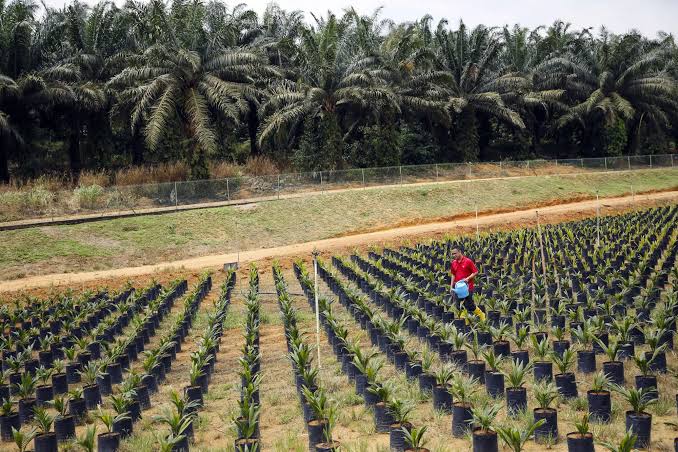
Farmer tip: Do not overcrowd palm trees. Proper spacing allows every tree to receive enough sunlight.
4. Moderate Humidity
Palm trees perform well in areas with moderate to high humidity.
Ideal humidity:
- Around 70–90%
Dry air and harsh conditions can stress young plants and reduce productivity.
5. Suitable Soil Moisture
Palm trees need moisture, but too much water can be harmful.
Good conditions:
- Moist soil
- Well-drained land
- No standing water around roots
Poor drainage can cause:
- Root rot
- Disease problems
- Weak tree growth
Farmer tip: Avoid waterlogged areas unless proper drainage systems are available.
6. Low Wind Damage Risk
Strong winds can:
- Break palm leaves
- Damage young plants
- Reduce fruit yield
Windbreak trees around plantations can help reduce damage.
7. Good Altitude Level
Oil palm generally grows better in lowland areas.
Recommended elevation:
- Below 500 meters above sea level
Very high elevations often have lower temperatures that reduce productivity.
Signs That Your Climate Is Good for Palm Farming
Your area may be suitable if:
Warm weather most of the year
Regular rainfall
Good sunlight
Fertile and well-drained soil
No extreme cold conditions
Moderate humidity
Conclusion
Climate plays a major role in successful palm plantation farming. Young farmers should study their local weather and land conditions before planting. Choosing the right climate helps palm trees grow faster, produce more fruit bunches, and increase farm profits.
Leave a Reply