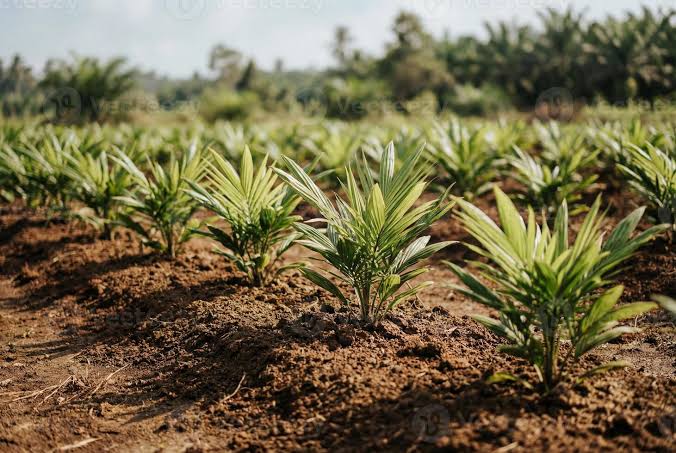
Best Soil Type for Oil Palm Farming in Nigeria
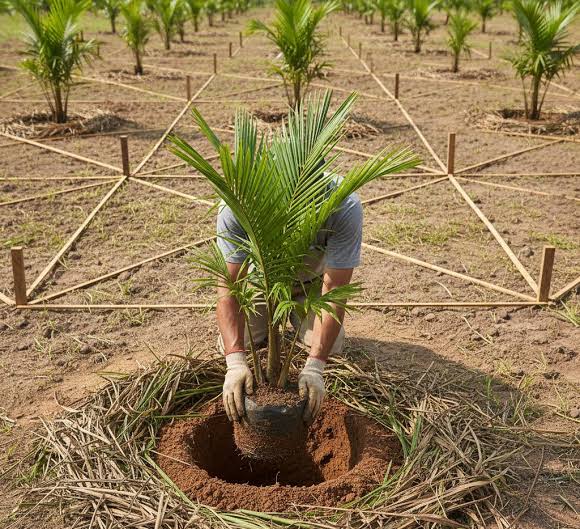
Oil palm farming is one of the most profitable agricultural businesses in Nigeria and many parts of Africa. For young farmers who want to succeed in palm plantation farming, understanding the right soil type is very important. Good soil helps oil palm trees grow faster, produce healthy fruits, and increase profits for many years.
What Type of Soil is Best for Oil Palm Farming?
The best soil for oil palm farming is deep, fertile, well-drained loamy soil. Oil palm trees grow best in soil that contains enough nutrients, retains moisture, and allows water to flow easily without waterlogging.
Characteristics of Good Soil for Oil Palm
1. Loamy Soil
Loamy soil is the best because it contains a balanced mixture of:
- Sand
- Clay
- Organic matter
This type of soil supports strong root growth and holds enough moisture for the palm trees.
2. Well-Drained Soil
Oil palm trees do not grow well in flooded or waterlogged areas. The soil must allow excess water to drain away easily. Poor drainage can cause root diseases and reduce fruit production.
3. Deep Soil
Oil palm roots grow deep into the ground. The soil should be at least 1 meter deep so the roots can spread properly and absorb nutrients.
4. Fertile Soil
The soil should contain important nutrients like:
- Nitrogen
- Potassium
- Phosphorus
- Magnesium
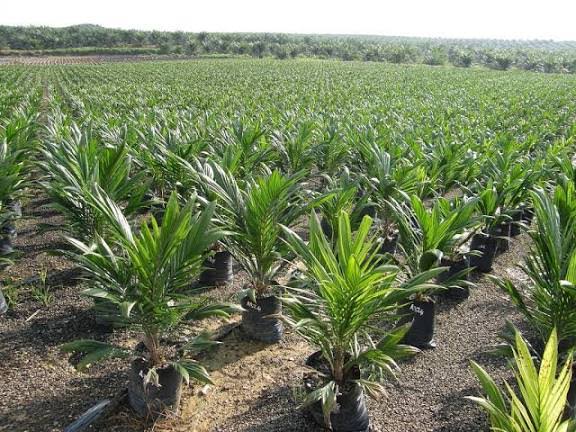
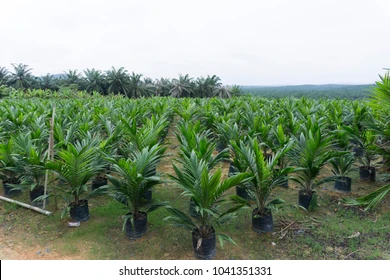
Fertile soil helps palms produce healthy fresh fruit bunches for many years.
5. Slightly Acidic Soil
Oil palms perform best in soil with a pH level between 4.0 and 6.5. Soil testing is important before planting.
⸻
Soil Types Young Farmers Should Avoid
Sandy Soil
Very sandy soil dries quickly and cannot hold enough nutrients or water for healthy palm growth.
Heavy Clay Soil
Clay soil holds too much water and may cause flooding around the roots.
Rocky or Shallow Soil
Rocky land prevents root development and reduces productivity.
⸻
How Young Farmers Can Improve Soil Quality
Even if the soil is not perfect, farmers can improve it using good agricultural practices.
Add Organic Matter
Use:
- Poultry manure
- Compost
- Palm bunch ash
- Cow dung
Organic matter improves soil fertility and moisture retention.
Mulching
Dry grasses and palm fronds can be spread around the trees to:
- Reduce water loss
- Control weeds
- Improve soil nutrients
Proper Drainage
Create drainage channels in areas with excess water to protect the roots.
Soil Testing
Before establishing a plantation, test the soil to know:
- Nutrient levels
- Soil pH
- Fertilizer requirements
This helps farmers avoid costly mistakes.
⸻
Best Regions for Oil Palm Farming in Nigeria
Oil palm grows very well in the southern part of Nigeria because of the rainfall and fertile soil conditions. States known for successful oil palm farming include:
- Edo State
- Akwa Ibom State
- Cross River State
- Delta State
- Rivers State
- Ondo State
- Imo State
- Abia State
Nigeria is one of the leading producers of palm oil in Africa, creating great opportunities for young farmers.
⸻
Important Tips for Young Farmers
Start with Quality Seedlings
Always buy improved seedlings from trusted agricultural research institutes or certified nurseries.
Avoid Bush Burning
Bush burning destroys soil nutrients and beneficial organisms.
Use Fertilizer Correctly
Apply fertilizers based on soil test recommendations for better yield.
Weed Regularly
Weeds compete with palm trees for nutrients and water.
Be Patient
Oil palm farming is a long-term investment. Most palms start producing well after 3–4 years and can remain productive for over 25 years.
⸻
Conclusion
The success of an oil palm plantation starts with choosing the right soil. Deep, fertile, loamy, and well-drained soil gives young farmers a better chance of achieving high yields and long-term profits. With proper land preparation, soil management, and good farming practices, oil palm farming can become a powerful source of income and employment for Nigerian youths.
Leave a Reply