Common Mistakes New Palm Farmers Make
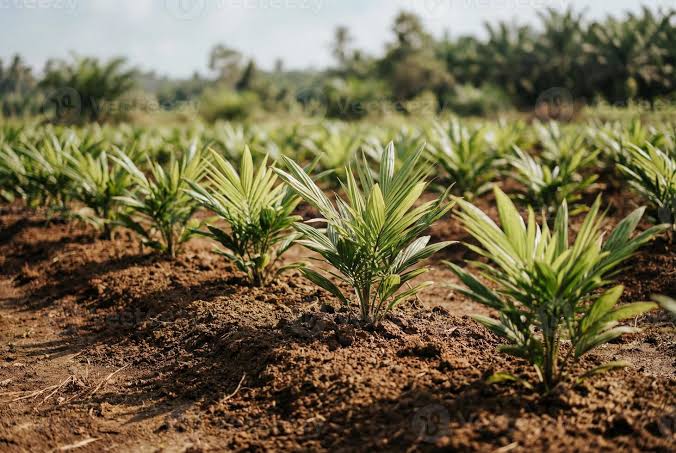
Starting a palm plantation can be profitable, but many young farmers lose money because of avoidable mistakes. Oil palm farming is a long-term investment that requires planning, patience, and proper management. A mistake made at the beginning can affect production for many years.
Here are common mistakes new palm farmers make and how to avoid them.
1. Starting Without Proper Knowledge
Many young farmers rush into palm farming because they hear it is profitable. They buy seedlings and plant immediately without understanding the basics.
Mistake: Farming based on assumptions or copying others.
Solution: Learn about oil palm varieties, land preparation, spacing, soil requirements, fertilizer application, and plantation management before starting.
Knowledge before investment saves money.
2. Buying Poor Quality Seedlings
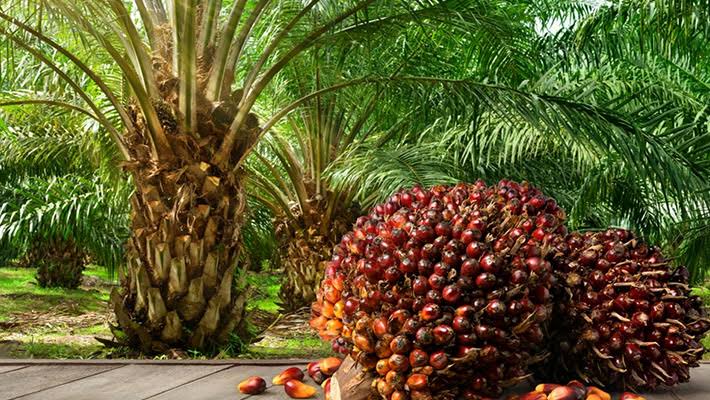
Some farmers buy cheap seedlings from unknown sellers just to reduce cost.
Mistake: Using fake or low-quality seedlings.
Poor seedlings can produce low yields even after years of care.
Solution: Buy certified seedlings from trusted nurseries or agricultural research centers. Strong seedlings determine future harvest quantity.
3. Choosing the Wrong Land
Oil palm grows best under certain soil and climate conditions.
Mistake: Planting on land with poor drainage, rocky soil, or land that floods frequently.
Solution: Select fertile, well-drained land with adequate rainfall and good sunlight.
4. Ignoring Soil Testing
Many new farmers never test their soil before planting.
Mistake: Assuming every land can support oil palm equally.
Solution: Conduct soil analysis before planting. Soil testing helps determine nutrient levels and fertilizer needs.
5. Poor Land Preparation
Some farmers plant without properly clearing the land.
Mistake: Leaving bushes, stumps, and weeds.
This creates competition for nutrients and encourages pests.
Solution: Properly clear the land and prepare it before transplanting seedlings.
6. Wrong Plant Spacing
Young farmers sometimes plant palms too close together.
Mistake: Overcrowding the plantation.
Palms compete for sunlight, nutrients, and water.
Solution: Follow recommended spacing. Proper spacing allows healthy growth and easier farm operations.
7. Neglecting Weed Control
Weeds compete with palms for nutrients and water.
Mistake: Allowing weeds to overtake young palms.
Young oil palms are especially vulnerable.
Solution: Carry out regular weeding and maintain clean surroundings.
8. Improper Fertilizer Application
Some farmers apply fertilizer without understanding timing and quantity.
Mistake: Using too little, too much, or wrong fertilizer types.
Solution: Follow agricultural recommendations and apply fertilizers according to soil needs.
9. Ignoring Pest and Disease Management
Pests and diseases can destroy plantation productivity.
Mistake: Waiting until severe damage appears.
Solution: Inspect palms regularly and take action early when signs of disease or pest attack appear.
10. Expecting Quick Profits
This is one of the biggest mistakes among beginners.
Mistake: Thinking oil palm will generate income immediately.
Oil palm farming is a long-term investment. Most palms take several years before full production begins.
Solution: Prepare financially and mentally for long-term returns.
11. Poor Record Keeping
Many farmers rely on memory.
Mistake: Not recording expenses, planting dates, fertilizer applications, and harvest information.
Solution: Keep accurate records. Good records help farmers understand profits and improve decision-making.
12. Poor Farm Maintenance
Some farmers become less active after planting.
Mistake: Believing the work ends once seedlings are planted.
Solution: Palm plantations require regular monitoring, pruning, weed control, and maintenance.
Final Thoughts
Successful palm farming is not about planting trees and waiting for money to come. It requires planning, good management, patience, and continuous learning.
Young farmers who avoid these mistakes can build productive plantations that generate income for many years.
Remember this simple rule:
“The success of a palm plantation is usually determined by decisions made during the early stages.”
Leave a Reply