
Share the post "“Sheep Farming is Profitable in Nigeria/Africa: What Every New Farmer Must Know”"
Sheep Farming is Profitable in Nigeria/Africa: What Every New Farmer Must Know
Sheep farming is one of the most profitable and less-stressful livestock businesses in Nigeria and across Africa. With the increasing demand for mutton during festive seasons, ceremonies, and daily consumption, sheep offer quick turnover, low mortality compared to some livestock, and steady market opportunities. If you are planning to go into sheep farming, here is what you must understand before you start.
Why Sheep Farming is Profitable
1. Strong Market Demand
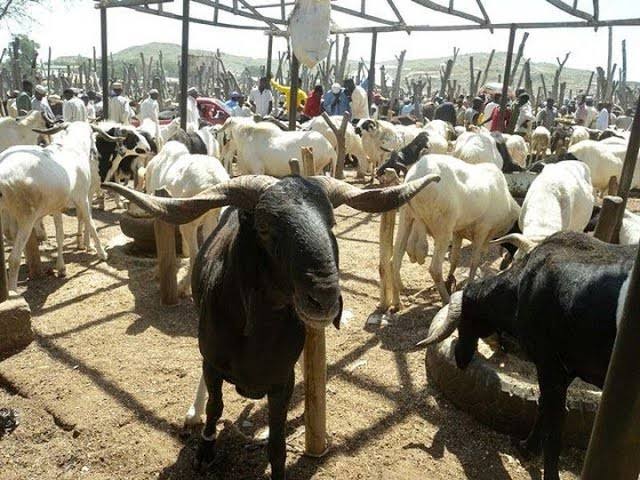
- Nigerians and many Africans prefer ram meat, especially during festive seasons like Eid-el-Kabir.
- Sheep are also used for traditional ceremonies, naming ceremonies, and cultural events.
- Restaurants and butcher shops constantly need supply.
2. Low Feeding Cost
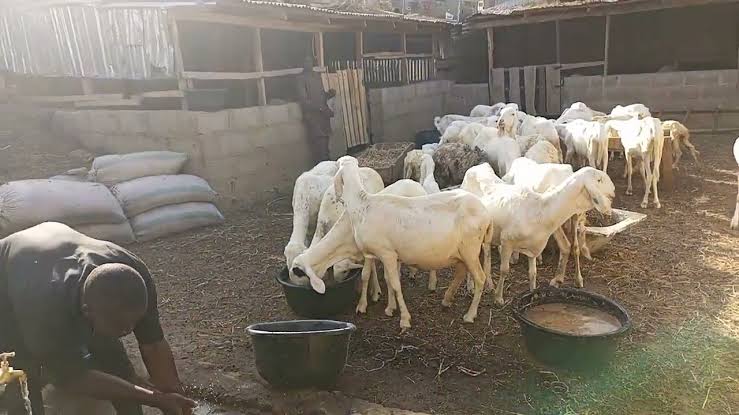
- Sheep are ruminants; they feed mostly on grasses, forages, crop residues, and cheap supplements.
- They can graze freely if you have available land.
3. Fast Growth and Good Reproduction
- Most sheep breeds in Nigeria can produce twice a year, with twins being very common.
- This means your flock can multiply quickly, increasing your profit within a short time.
4. High Resale Value
- A well-fattened ram can sell for ₦40,000 – ₦200,000 depending on breed, season, and location.
- Ewes also sell well, especially for breeding purposes.
Common Sheep Breeds in Nigeria/Africa
1. West African Dwarf (WAD) Sheep
- Hardy and adaptable
- Good for beginners
2. Uda Sheep
- Popular in northern Nigeria
- Tall, large, fast-growing
3. Balami Sheep
- Large body size
- Used for commercial meat production
4. Yankasa Sheep
- Excellent breed for mutton
Choose breeds based on your region, climate, and purpose (breeding or meat).
What You Need to Start Sheep Farming
1. Land
- Sheep need space for grazing and resting.
- Avoid water-logged areas.
2. Housing
- Simple structure with:
- Good ventilation
- Dry bedding
- Protection from rain and predators
3. Feeding
- Grasses (elephant grass, guinea grass)
- Legumes (alfalfa, stylo)
- Supplements:
- Maize bran
- Groundnut cake
- Salt/mineral lick
4. Water
- Provide clean water daily.
Health Management
Sheep are hardy but you must prevent diseases:
- Deworm every 3–4 months
- Vaccinate as recommended by a vet
- Keep pen clean and dry
- Avoid overcrowding
- Separate sick animals immediately
How to Make Real Profit in Sheep Farming
1. Start Small but Grow Gradually
Begin with 5–10 sheep, learn the business, and expand.
2. Fattening Program Before Festivals
Buy young rams before Eid, fatten them for 3–5 months, and sell at high prices.
3. Practice Controlled Breeding
Plan your breeding season so lambs mature when market prices are high.
4. Reduce Cost by Growing Your Own Feed
Plant grasses in your land to reduce feed expenses.
5. Keep Accurate Records
Track:
- Births
- Deaths
- Feed cost
- Sales
- Health treatment
This helps you know your profit margin.
Estimated Profit Analysis (Example)
If you buy 10 young rams at ₦20,000 each:
- Total cost: ₦200,000
- Fatten for 4 months (feeding + care): ₦80,000
- Total investment: ₦280,000
Sell at ₦45,000 – ₦70,000 each:
- Revenue: ₦450,000 – ₦700,000
- Profit: ₦170,000 – ₦420,000 in 4 months
Conclusion
Sheep farming is a profitable business when you start with the right knowledge, choose the right breed, feed properly, and maintain good health management. Whether you are a beginner or an experienced farmer, sheep farming offers long-term income, low running cost, and steady market demand across Nigeria and Africa.
If you want, I can also provide:
- A full business plan
- Feed formulation for fast growth
- Housing design for sheep
Just let me know.


