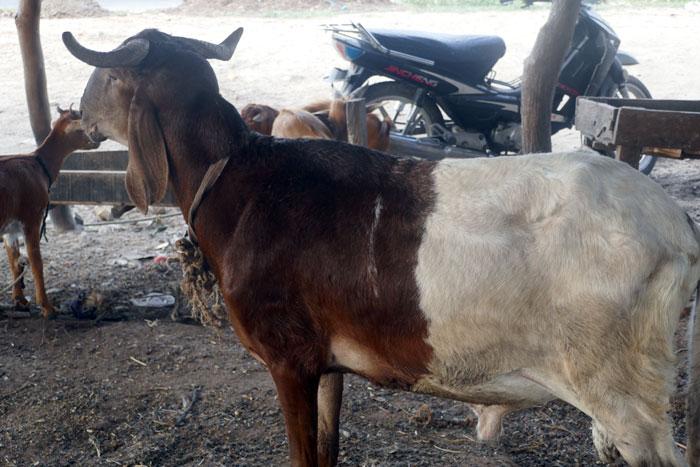

Share the post "“How to Engage in Profitable Sheep Fattening for Maximum Profits in Nigeria”"
How to Engage in Profitable Sheep Fattening for Maximum Profits in Nigeria
Sheep fattening is one of the most profitable livestock ventures in Nigeria if managed properly. It involves buying young or lean sheep, feeding them intensively for a few months to increase their body weight, and selling them at a higher price for meat or festive demand. For many Nigerian farmers, it’s a quicker way to earn income compared to breeding and raising sheep from birth. Here’s how to engage in profitable sheep fattening for maximum returns:
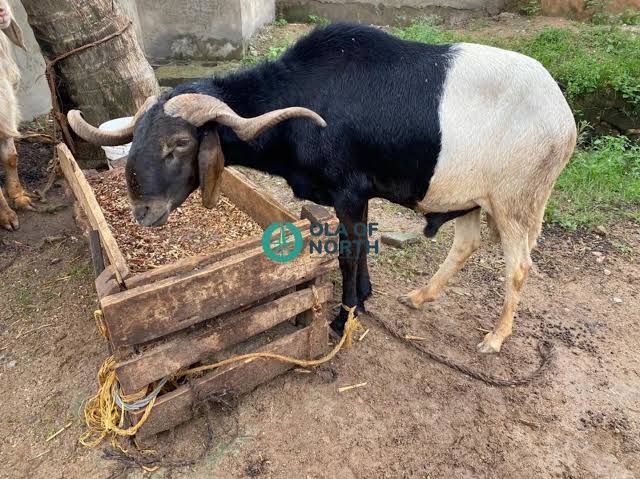
1. Understand What Sheep Fattening Means
Sheep fattening is the process of feeding lean or medium-sized sheep with a balanced, energy-rich diet to improve their weight and market value within a short time—usually between 2 to 4 months. The main goal is rapid growth and increased meat yield.
2. Select the Right Sheep Breed
Profit begins with breed selection. Choose breeds that grow fast, adapt well to your environment, and have high meat potential.
Recommended breeds in Nigeria include:
- Yankasa: Common in the North, fast-growing and hardy.
- Balami: Large body size and high meat yield.
- Uda: Adapts well to semi-arid regions.
- West African Dwarf (WAD): Suitable for southern areas; small but hardy and disease-resistant.
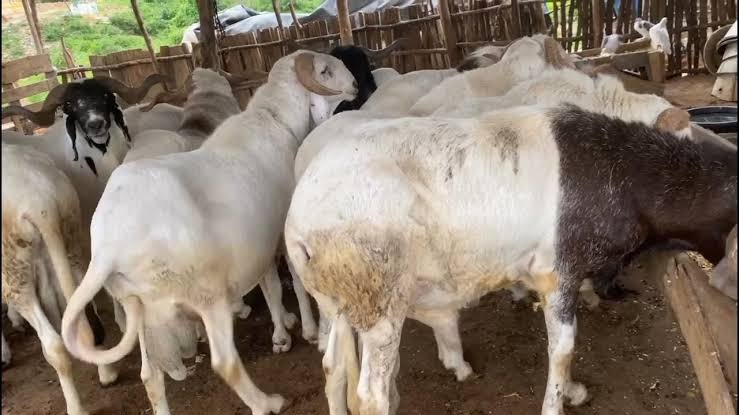
When buying sheep, select healthy animals between 6 months and 1 year old, with no signs of sickness or weakness.
3. Build a Comfortable Housing System
Provide clean, well-ventilated housing to protect your sheep from harsh weather.
Key housing tips:
- Use dry floors to prevent foot rot.
- Provide enough space (1.2 – 1.5 m² per sheep).
- Ensure good drainage and regular cleaning.
- Use locally available materials like wood, bamboo, or blocks.
4. Feed for Fast Growth
Feeding is the heart of profitable fattening. A balanced diet helps sheep gain weight quickly and stay healthy.
Ideal feed combination:
- Roughages: Grass, hay, legumes, or crop residues like maize stalks.
- Concentrates: Maize bran, groundnut cake, wheat offal, cottonseed cake, or soybean meal.
- Mineral supplements: Salt licks and bone meal.
- Clean water: Always available.
Feeding ratio: Roughages (70%) + Concentrates (30%)
Feed twice daily—morning and evening—for maximum weight gain.
5. Maintain Good Health and Hygiene
Healthy sheep grow faster and sell better.
Health management tips:
- Deworm sheep before fattening starts.
- Vaccinate against common diseases like PPR (Peste des Petits Ruminants).
- Spray regularly to control ticks and lice.
- Keep pens dry and clean.
- Observe sheep daily for signs of illness and separate sick ones immediately.
6. Keep Proper Records
Record-keeping helps you monitor progress and profits. Track:
- Cost of purchase
- Feed expenses
- Veterinary costs
- Weight gain
- Sale price
Knowing your input and output helps you calculate profit and plan for future batches.
7. Target the Right Market
Timing and market strategy determine your profit margin.
Best times to sell:
- During festive seasons (Eid, Christmas, New Year) when meat demand is high.
- Direct sales to butchers, restaurants, or individuals.
- Local livestock markets or contract sales with meat suppliers.
Buy sheep when prices are low (usually after festive seasons) and sell when demand peaks.
8. Calculate Profitability
Example:
- Purchase price per sheep: ₦30,000
- Feed and care cost: ₦15,000
- Total cost: ₦45,000
- Sale price after 3 months: ₦65,000
- Profit per sheep = ₦20,000
If you fatten 20 sheep, that’s ₦400,000 profit in just 3 months—excluding expansion benefits.
9. Start Small and Expand Gradually
Begin with 5–10 sheep to learn the process. As you gain experience and confidence, increase your flock size. This helps you manage risk and improve efficiency.
10. Partner with Feed Suppliers and Buyers
Establish relationships with reliable feed suppliers, veterinary service providers, and meat buyers. This ensures steady feed supply, healthy animals, and ready markets.
Conclusion
Sheep fattening is a profitable agribusiness for Nigerian farmers when done strategically. With the right breed, balanced feeding, good management, and proper timing, you can make impressive profits within a few months. Start small, maintain discipline, and reinvest your earnings to grow your flock and income.


