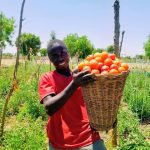
Tomato farming in Nigeria is one of the most profitable and rewarding agricultural ventures, but success depends largely on timing. Knowing the best season to plant tomatoes can determine whether your farm yields a bountiful harvest or suffers from poor growth.

For young tomato farmers, understanding the right planting season helps you take advantage of favorable weather conditions, reduce pest attacks, and maximize your profit.
Understanding Tomato Growing Seasons in Nigeria
Nigeria experiences two main farming seasons — the rainy season and the dry season. Tomatoes can grow in both, but choosing the right season depends on your location, water availability, and the type of tomato variety you plan to cultivate.
1. Rainy Season Tomato Planting (April – August)
The rainy season is suitable for tomato farming in many parts of Nigeria, especially where rainfall is moderate and not excessive.
- Best planting months: April to June (start of rains)
- Ideal regions: Northern and Middle Belt regions
- Advantages:
- Easy access to water for irrigation
- Fast germination and growth
- Challenges:
- Fungal diseases like blight are common due to high humidity
- Excessive rainfall can wash away nutrients
Tip: Use disease-resistant varieties like Tropimech or Cobra F1 and ensure good drainage on your farm.
2. Dry Season Tomato Planting (October – March)
The dry season, especially during harmattan, is considered the best time to plant tomatoes in Nigeria because of fewer pests and diseases.
- Best planting months: October to January
- Ideal regions: Northern Nigeria (Kano, Kaduna, Sokoto, Jos)
- Advantages:
- Less risk of fungal infection
- Tomatoes develop bright color and good taste
- Challenges:
- Requires irrigation (drip or furrow)
- Cost of watering can increase production expenses
Tip: Use hybrid tomato varieties like UTC, Anna F1, or Roma VF which perform well under irrigation.
3. Greenhouse Tomato Farming (All Year Round)
If you want to grow tomatoes throughout the year, greenhouse farming is an excellent option. With controlled temperature, irrigation, and fertilizer management, you can produce tomatoes even when outdoor conditions are unfavorable.
- Advantages:
- Steady supply and high market price during off-seasons
- Better pest and disease control
- Challenges:
- Requires higher initial investment
Best Season Summary Table
| Farming Type | Best Months | Key Advantage | Major Challenge |
|---|---|---|---|
| Rainy Season | April – June | Easy irrigation | Fungal diseases |
| Dry Season | October – January | Higher yield, fewer diseases | Requires irrigation |
| Greenhouse | All year round | Continuous production | High setup cost |
Final Advice for Young Tomato Farmers
For most parts of Nigeria, dry season tomato farming is the most productive and profitable. However, with proper planning and disease control, the rainy season can also yield good results. Always choose the right variety, prepare your soil well, and apply organic manure for better results.