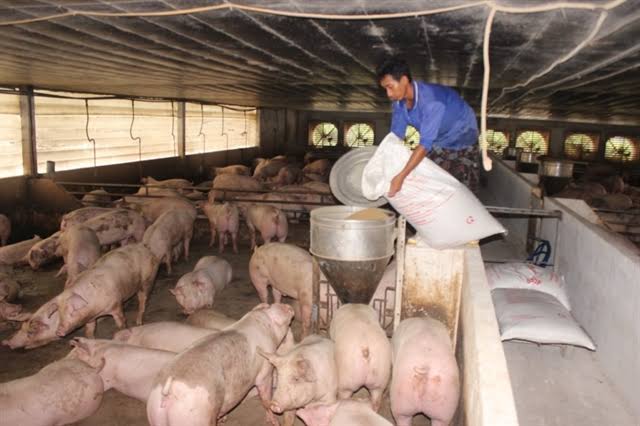

Share the post "“Effective Farm Management and Record Keeping Tips for Profitable Pig Farming”"
Farm management and record keeping are the backbone of a successful pig farming business. For young pig farmers who want to grow from small-scale to commercial levels, learning how to properly manage your farm and keep accurate records is key. This guide will help you understand why record keeping matters, what types of records you should keep, and how good management improves productivity and profit.

What Is Farm Management in Pig Farming?
Farm management involves organizing, planning, and controlling all activities on your pig farm to achieve better results. It helps you make smart decisions about feeding, breeding, health, and marketing.
Good management ensures:
- Pigs are well-fed and healthy.
- The environment is clean and suitable for growth.
- The farmer can track performance and profits accurately.
- Resources like feed, water, and drugs are used efficiently.
Why Record Keeping Is Important in Pig Farming
Record keeping is the process of writing down all the important activities and expenses on your pig farm. Many young farmers neglect this, but it’s one of the most important habits that separates successful farmers from struggling ones.
Benefits of record keeping include:
- Helps in decision making: You can easily identify what works and what doesn’t.
- Tracks productivity: You’ll know how many piglets were born, sold, or lost.
- Financial management: Keeps you aware of income and expenses, helping you manage profit and loss.
- Health tracking: Records help monitor diseases, vaccination, and treatment schedules.
- Breeding performance: You can track which sows produce the best piglets.
- Loan and grant applications: Financial institutions often require farm records.

Essential Records Every Pig Farmer Should Keep
To manage your pig farm effectively, here are the key records you must maintain:
- Breeding Record:
- Date of mating and expected farrowing date.
- Number of piglets born and their weight.
- Performance of each sow and boar.
- Feeding Record:
- Type of feed given and feeding quantity.
- Cost of feed and feeding frequency.
- Health Record:
- Vaccination and deworming schedules.
- Drugs administered and treatment outcomes.
- Growth Record:
- Weight of pigs at different ages.
- Growth rate and feed conversion ratio (FCR).
- Sales and Expenses Record:
- Income from pig sales.
- Farm expenses like feed, labor, and medication.
- Mortality Record:
- Date and cause of any pig death.
- Actions taken to prevent recurrence.
Tips for Effective Farm Management
- Always plan your feeding and cleaning schedules.
- Train your workers to follow hygiene and biosecurity rules.
- Regularly review your records to identify areas of improvement.
- Separate piglets, growers, and adult pigs properly to prevent disease spread.
- Keep your farm organized and easy to inspect.
Conclusion
Farm management and record keeping are not just for large farms—they are essential for every pig farmer who wants success. When you manage your farm wisely and keep accurate records, you’ll understand your business better, improve productivity, and increase profits.
Start today—create a simple record book or use a spreadsheet to monitor your pigs’ progress. Smart management equals sustainable growth.