

Share the post "“Best Pig Housing Practices and Environmental Tips for Successful Pig Farming”"
A clean, comfortable, and well-planned pig housing system is one of the most important factors in successful pig farming. The housing and environment you provide for your pigs can determine their health, growth rate, and productivity. As a young pig farmer, understanding how to design, maintain, and manage a good pig house will help you reduce disease outbreaks and improve profits.
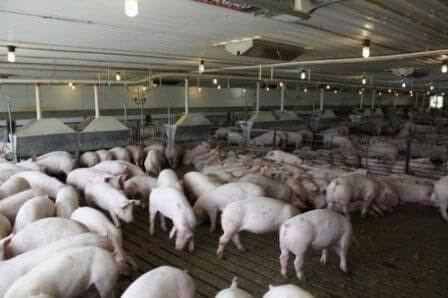
1. Importance of Good Pig Housing
Proper pig housing protects pigs from harsh weather, predators, and diseases. It also helps farmers monitor feeding, breeding, and health management easily. A good housing system ensures:
- Comfortable living space for pigs
- Improved growth and weight gain
- Easy cleaning and waste management
- Reduced stress and aggression among pigs
2. Key Features of a Good Pig House
To create an ideal environment for pigs, ensure your housing has the following features:
a. Good Ventilation
Fresh air is important to reduce heat and remove harmful gases like ammonia. Build windows and ventilation holes high enough to allow airflow without causing cold drafts.
b. Proper Drainage System
A good drainage system keeps the floor dry and clean, reducing the spread of diseases. Always slope the floor slightly for easy waste removal.
c. Durable Flooring
Concrete floors are best because they are easy to clean and disinfect. Avoid slippery floors that can cause leg injuries.
d. Adequate Space
Overcrowding causes stress and fighting. Provide enough space for each pig according to its age and size. Example:
- Piglets: 0.3 – 0.5 m² per pig
- Growers: 0.8 – 1.2 m² per pig
- Adult pigs: 1.5 – 2.5 m² per pig
e. Temperature Control
Pigs are sensitive to temperature changes.
- Piglets need warmth (30–32°C).
- Adult pigs prefer cooler environments (18–22°C).
Use straw, heat lamps, or fans depending on the weather.
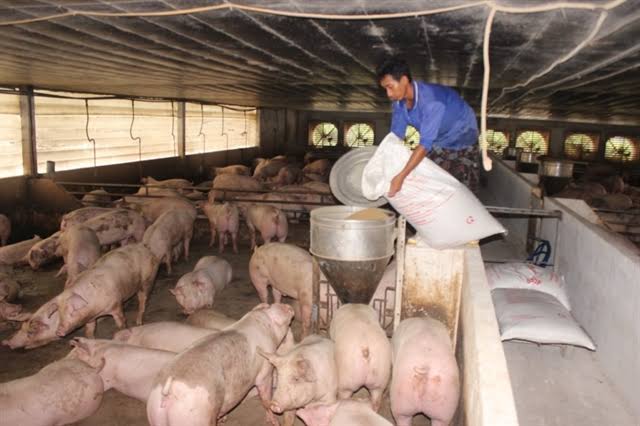
3. Location of the Pig House
When selecting a site for your pig farm:
- Choose a dry, elevated area to prevent flooding.
- Build far from residential areas to control odor and noise.
- Ensure easy access to clean water and feed supply.
- Plant trees around the pig house for natural shade and air purification.
4. Cleanliness and Environmental Management
A clean environment keeps your pigs healthy. Follow these hygiene tips:
- Clean pens daily and disinfect weekly.
- Remove leftover feed and waste promptly.
- Maintain dry bedding for piglets.
- Use footbaths at the entrance to prevent disease entry.
5. Benefits of a Good Pig Housing System
- Reduces disease outbreaks
- Improves feed conversion and growth
- Increases piglet survival rate
- Makes management easier and more profitable
Conclusion
As a young pig farmer, never underestimate the power of good housing and a clean environment. A well-built and well-maintained pig house ensures your pigs grow healthy, reproduce effectively, and bring you higher income. Always prioritize comfort, hygiene, and proper management in your pig housing system.


