
Share the post "”Cost Breakdown (Capital and Profit Estimate) in Cassava Farming in Nigeri"
Cassava farming in Nigeria is one of the most profitable agribusinesses today. It provides food, raw materials for industries, and income for thousands of farmers. However, before you start, it’s important to understand the cost breakdown, capital requirements, and profit potential of cassava farming.
This detailed guide will educate you on everything you need to know about cassava farming economics in Nigeria.
Overview of Cassava Farming in Nigeria
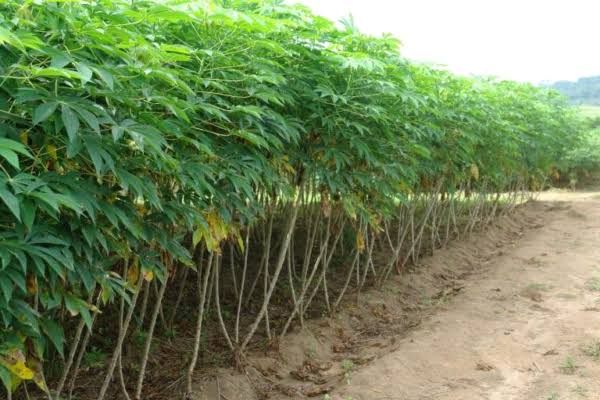
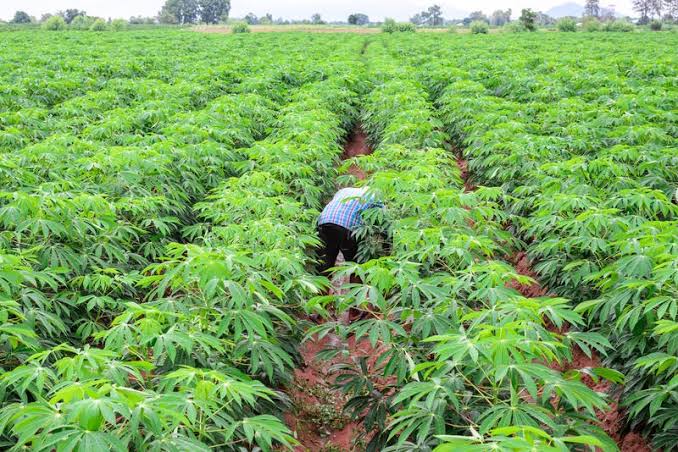
Cassava (Manihot esculenta) is a root crop grown in almost every part of Nigeria, especially in the South-West, South-East, and North-Central regions. It is used for producing garri, fufu, starch, ethanol, and animal feed.
Cassava farming requires moderate investment and offers high returns if managed properly. With the right land, improved varieties, and good management, cassava can yield 20–30 tons per hectare.
Capital Requirement for 1 Hectare of Cassava Farm
Here is an estimated cost breakdown for starting cassava farming on 1 hectare of land in Nigeria (as of 2025):
| Items | Estimated Cost (₦) | Description |
|---|---|---|
| Land preparation (clearing, ploughing, ridging) | ₦60,000 – ₦80,000 | Includes labor and machinery |
| Cassava stems (improved variety) | ₦25,000 – ₦35,000 | 50–60 bundles (cuttings) |
| Planting labor | ₦20,000 – ₦30,000 | Laborers for planting |
| Fertilizer and organic manure | ₦25,000 – ₦35,000 | NPK 15:15:15 or organic fertilizer |
| Weeding and pest control | ₦30,000 – ₦50,000 | Two or three rounds of weeding |
| Harvesting labor | ₦30,000 – ₦40,000 | Cost of harvesting cassava roots |
| Transportation to market | ₦20,000 – ₦30,000 | To local market or processing point |
| Miscellaneous (tools, supervision, etc.) | ₦15,000 – ₦25,000 | Farm maintenance and tools |
Total Estimated Capital: ₦225,000 – ₦325,000 per hectare
Expected Yield and Revenue per Hectare
With proper management and improved cassava varieties like TMS 30572, TME 419, or TMS 98/0581, a farmer can expect:
- Yield: 20 – 30 tons per hectare
- Average market price: ₦45,000 – ₦60,000 per ton (as of 2025)
Estimate Revenue:
- 20 tons × ₦50,000 = ₦1,000,000
- 30 tons × ₦50,000 = ₦1,500,000
So, the average gross revenue per hectare is between ₦1,000,000 and ₦1,500,000.
Profit Estimate from Cassava Farming
| Details | Low Estimate | High Estimate |
|---|---|---|
| Total Cost | ₦225,000 | ₦325,000 |
| Total Revenue | ₦1,000,000 | ₦1,500,000 |
| Net Profit | ₦675,000 | ₦1,175,000 |
Return on Investment (ROI): 200% – 350% within 9–12 months
This shows cassava farming is a highly profitable agribusiness in Nigeria if properly managed.
Tips to Increase Profit in Cassava Farming
- Use improved varieties – Choose high-yielding, disease-resistant types like TME 419.
- Adopt good spacing – Maintain 1m × 1m spacing for optimum yield.
- Apply organic and chemical fertilizer – Apply NPK 15:15:15 and organic manure to boost root development.
- Weed regularly – Weeding at 4 and 8 weeks after planting helps avoid competition for nutrients.
- Process cassava – Instead of selling fresh roots, process them into garri, fufu, or starch for higher profit.
- Target off-season sales – Prices rise during dry season (November–March).
Conclusion
Cassava farming in Nigeria is a profitable business that can turn small-scale farmers into agribusiness owners. With ₦225,000 – ₦325,000, you can start a 1-hectare cassava farm and make up to ₦1 million profit in less than a year.
Invest wisely, use improved varieties, and apply proper management practices — and cassava farming will reward you abundantly.


