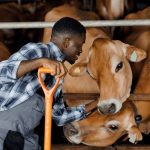
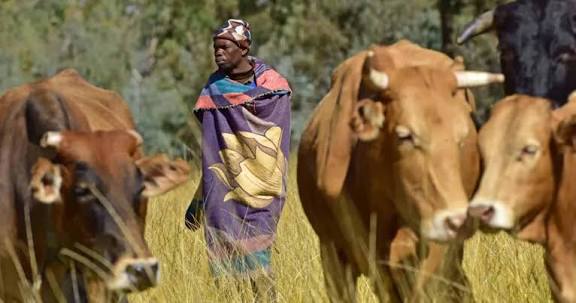
Starting a cattle farm in Africa can be one of the most profitable agricultural ventures — if done the right way. Many African countries depend heavily on livestock farming for meat, milk, hides, and income generation. However, success in cattle farming depends on several important factors that every farmer must carefully consider before starting.
Below are the key factors to consider before starting a cattle farm in Africa, explained based on the African structure, environment, and farming realities.
1. Land Availability and Location
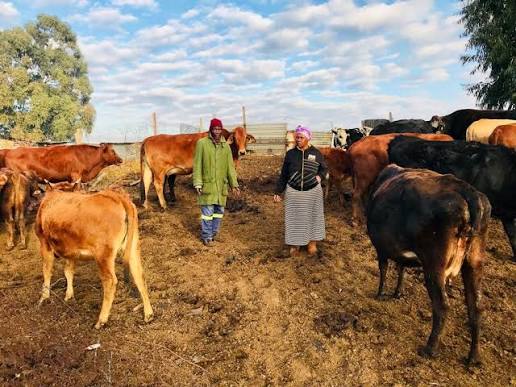
Land is the most important factor in cattle farming. In Africa, the availability of suitable grazing land determines how well your cattle will grow and reproduce.
Things to consider:
- Size of land: You need enough space for grazing, housing, and water access. A large herd requires extensive land.
- Soil quality: Fertile soil supports good pasture growth, reducing feed costs.
- Accessibility: Choose land close to roads and markets for easy transportation and sale of animals.
- Security: In many African regions, cattle theft is common. Secure your farm with fencing and, if possible, a caretaker.
2. Breeds of Cattle
Selecting the right cattle breed is crucial for profitability. African farmers should choose breeds that adapt well to local weather and resist diseases.
Popular breeds in Africa:
- Boran cattle – Known for endurance and adaptability to hot climates.
- Ndama cattle – Resistant to tsetse fly and trypanosomiasis.
- White Fulani (Bunaji) – Common in West Africa; good for both meat and milk.
- Friesian and Jersey – Imported dairy breeds, suitable for intensive systems with good feeding and management.
Tip:
Choose breeds based on your purpose — meat production (beef cattle) or milk production (dairy cattle).
3. Feed and Pasture Management
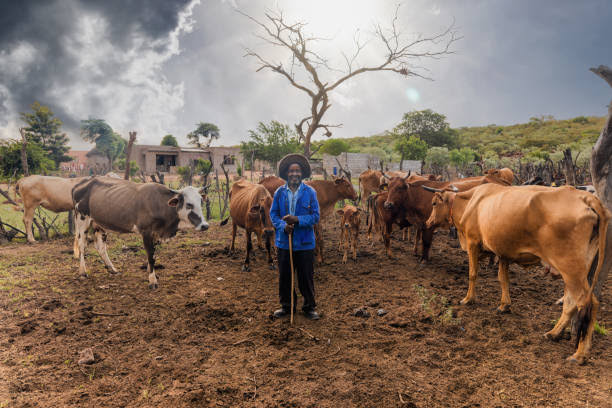
Feeding accounts for about 60–70% of the total cost of cattle farming. African farmers must balance between natural grazing and supplementary feeding.
Feeding options:
- Natural pasture: Ideal for rural areas with open land.
- Hay and silage: Stored grass for dry seasons.
- Crop residues: Maize stalks, groundnut haulms, and sorghum residues are valuable feed options.
- Concentrates: Bran, maize meal, and cottonseed cake for extra nutrition.
Tip:
Establish a pasture or fodder bank (like Napier grass) to ensure feed availability during dry seasons.
4. Water Source
Cattle need constant access to clean water for drinking and cooling. In many African areas, water scarcity is a major challenge.
Consider:
- Boreholes or wells for year-round water supply.
- Construct small dams or water reservoirs if your land allows.
- Ensure cattle have shade and watering points close to grazing areas.
5. Veterinary Care and Disease Control
Diseases like foot-and-mouth disease, lumpy skin disease, and trypanosomiasis are common in Africa. Regular vaccination and deworming are essential.
Key practices:
- Register with a local veterinary officer.
- Quarantine new animals before mixing with the herd.
- Maintain a clean and dry cattle shed.
- Keep vaccination and treatment records.
6. Capital and Financial Planning
Cattle farming in Africa requires significant initial investment — for buying land, cattle, fencing, housing, feed, and veterinary care.
Financial tips:
- Start small and expand gradually.
- Explore government or agricultural loan programs.
- Keep accurate financial records.
- Diversify income (e.g., sell milk, manure, or breeding stock).
7. Farm Infrastructure and Housing
Proper housing protects cattle from harsh weather and predators.
Basic housing setup:
- Well-ventilated shed.
- Feeding and watering troughs.
- Separate areas for calves, bulls, and sick animals.
- Strong fencing to prevent theft and straying.
8. Labour and Management
A cattle farm needs skilled workers for feeding, cleaning, milking, and record-keeping.
Consider:
- Hiring experienced herdsmen or livestock attendants.
- Providing training for modern cattle management techniques.
- Keeping clear daily routines and supervision.
9. Market Availability
Before starting, study your local market. Determine where and how to sell your cattle, milk, or meat.
Marketing options:
- Local livestock markets.
- Direct sales to butcheries or abattoirs.
- Dairy collection centers.
- Export opportunities for live cattle or beef.
Tip:
Build strong relationships with local buyers and suppliers to ensure steady income flow.
10. Government Policies and Regulations
Each African country has specific livestock regulations and health requirements.
Check for:
- Livestock movement permits.
- Vaccination and inspection certificates.
- Grazing rights and land ownership laws.
Complying with local laws helps prevent fines or herd seizure.
Conclusion
Starting a cattle farm in Africa is a long-term investment that requires planning, patience, and proper management. When you consider factors like land, breed selection, feeding, water supply, disease control, and market access, your cattle business can grow into a profitable venture.
If you plan carefully and follow best livestock practices, cattle farming can provide sustainable income and food security for your family and community. Before Starting a Cattle Farm in Africa
Starting a cattle farm in Africa can be one of the most profitable agricultural ventures — if done the right way. Many African countries depend heavily on livestock farming for meat, milk, hides, and income generation. However, success in cattle farming depends on several important factors that every farmer must carefully consider before starting.
Below are the key factors to consider before starting a cattle farm in Africa, explained based on the African structure, environment, and farming realities.
1. Land Availability and Location
Land is the most important factor in cattle farming. In Africa, the availability of suitable grazing land determines how well your cattle will grow and reproduce.
Things to consider:
- Size of land: You need enough space for grazing, housing, and water access. A large herd requires extensive land.
- Soil quality: Fertile soil supports good pasture growth, reducing feed costs.
- Accessibility: Choose land close to roads and markets for easy transportation and sale of animals.
- Security: In many African regions, cattle theft is common. Secure your farm with fencing and, if possible, a caretaker.
2. Breeds of Cattle
Selecting the right cattle breed is crucial for profitability. African farmers should choose breeds that adapt well to local weather and resist diseases.
Popular breeds in Africa:
- Boran cattle – Known for endurance and adaptability to hot climates.
- Ndama cattle – Resistant to tsetse fly and trypanosomiasis.
- White Fulani (Bunaji) – Common in West Africa; good for both meat and milk.
- Friesian and Jersey – Imported dairy breeds, suitable for intensive systems with good feeding and management.
Tip:
Choose breeds based on your purpose — meat production (beef cattle) or milk production (dairy cattle).
3. Feed and Pasture Management
Feeding accounts for about 60–70% of the total cost of cattle farming. African farmers must balance between natural grazing and supplementary feeding.
Feeding options:
- Natural pasture: Ideal for rural areas with open land.
- Hay and silage: Stored grass for dry seasons.
- Crop residues: Maize stalks, groundnut haulms, and sorghum residues are valuable feed options.
- Concentrates: Bran, maize meal, and cottonseed cake for extra nutrition.
Tip:
Establish a pasture or fodder bank (like Napier grass) to ensure feed availability during dry seasons.
4. Water Source
Cattle need constant access to clean water for drinking and cooling. In many African areas, water scarcity is a major challenge.
Consider:
- Boreholes or wells for year-round water supply.
- Construct small dams or water reservoirs if your land allows.
- Ensure cattle have shade and watering points close to grazing areas.
5. Veterinary Care and Disease Control
Diseases like foot-and-mouth disease, lumpy skin disease, and trypanosomiasis are common in Africa. Regular vaccination and deworming are essential.
Key practices:
- Register with a local veterinary officer.
- Quarantine new animals before mixing with the herd.
- Maintain a clean and dry cattle shed.
- Keep vaccination and treatment records.
6. Capital and Financial Planning
Cattle farming in Africa requires significant initial investment — for buying land, cattle, fencing, housing, feed, and veterinary care.
Financial tips:
- Start small and expand gradually.
- Explore government or agricultural loan programs.
- Keep accurate financial records.
- Diversify income (e.g., sell milk, manure, or breeding stock).
7. Farm Infrastructure and Housing
Proper housing protects cattle from harsh weather and predators.
Basic housing setup:
- Well-ventilated shed.
- Feeding and watering troughs.
- Separate areas for calves, bulls, and sick animals.
- Strong fencing to prevent theft and straying.
8. Labour and Management
A cattle farm needs skilled workers for feeding, cleaning, milking, and record-keeping.
Consider:
- Hiring experienced herdsmen or livestock attendants.
- Providing training for modern cattle management techniques.
- Keeping clear daily routines and supervision.
9. Market Availability
Before starting, study your local market. Determine where and how to sell your cattle, milk, or meat.
Marketing options:
- Local livestock markets.
- Direct sales to butcheries or abattoirs.
- Dairy collection centers.
- Export opportunities for live cattle or beef.
Tip:
Build strong relationships with local buyers and suppliers to ensure steady income flow.
10. Government Policies and Regulations
Each African country has specific livestock regulations and health requirements.
Check for:
- Livestock movement permits.
- Vaccination and inspection certificates.
- Grazing rights and land ownership laws.
Complying with local laws helps prevent fines or herd seizure.
Conclusion
Starting a cattle farm in Africa is a long-term investment that requires planning, patience, and proper management. When you consider factors like land, breed selection, feeding, water supply, disease control, and market access, your cattle business can grow into a profitable venture.
If you plan carefully and follow best livestock practices, cattle farming can provide sustainable income and food security for your family and community.