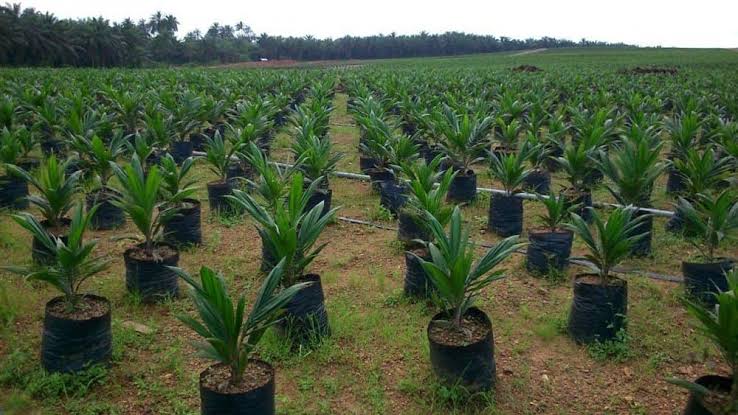
What Is Palm Plantation? Complete Beginner Guide for Young Palm Farmers
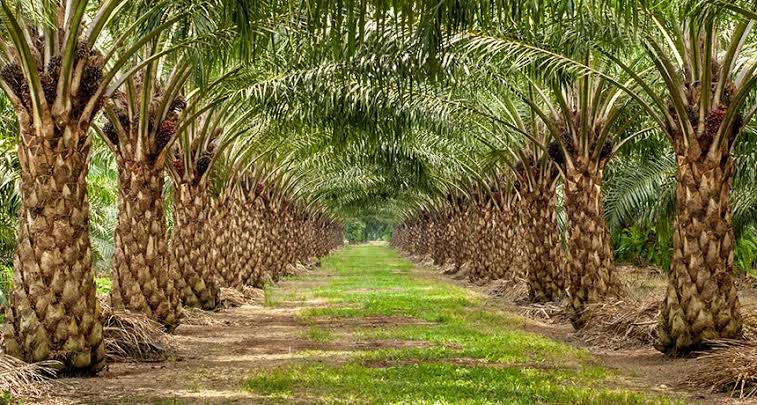
Palm plantation is the cultivation of oil palm trees on farmland for the purpose of producing palm fruits, which are processed into palm oil, palm kernel oil, and other useful products. Oil palm farming is one of the most profitable agricultural businesses in many African countries because palm products are used in cooking, food processing, cosmetics, soap making, and industries.
For young farmers and beginners who want to go into palm plantation, understanding the basics is important before planting your first seedling.
What Is an Oil Palm Tree?
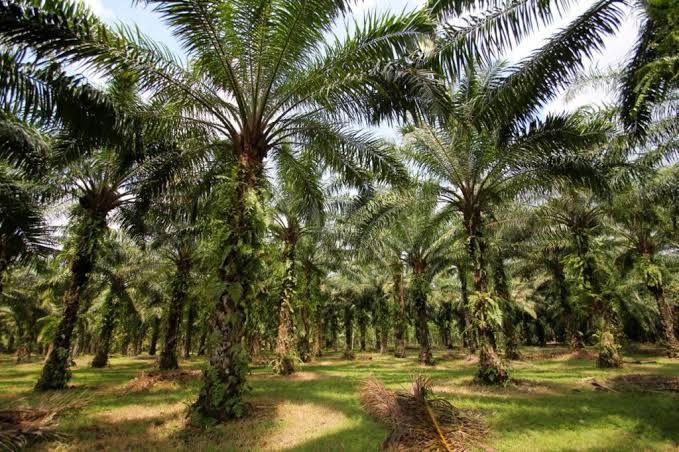
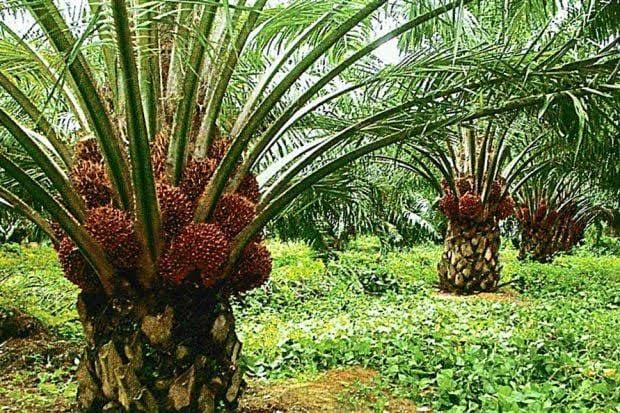
An oil palm tree is a tropical tree that produces bunches of fruits rich in oil. The fruit has two major products:
- Palm oil – extracted from the fruit flesh
- Palm kernel oil – extracted from the seed or kernel
Palm trees can produce fruits for many years if they are properly managed.
Why Palm Plantation Is a Good Business
Palm plantation offers several opportunities for young farmers:
1. Long-Term Income
A palm plantation can produce fruits continuously for about 20–30 years after maturity.
2. High Demand
Palm oil is used daily in homes and industries, creating a large market.
3. Multiple Sources of Profit
You can earn money from:
- Palm oil production
- Palm kernel sales
- Palm kernel oil
- Palm wine
- Seedling sales
- Processed products
4. Suitable for Small and Large Farmers
You can start with:
- 1 acre
- 2 acres
- 5 acres
- Large commercial plantations
Things Young Farmers Should Know Before Starting
1. Choose Good Land
Oil palm grows best in:
- Fertile soil
- Well-drained land
- Areas with good rainfall
- Warm temperatures
Avoid:
- Rocky land
- Waterlogged areas
- Very dry land
2. Select Improved Seedlings
Do not buy random seedlings from unknown sources.
Choose:
- Certified improved seedlings
- Disease-resistant varieties
- High-yield varieties
Good seedlings produce more fruits than local varieties.
3. Prepare the Land Properly
Land preparation may include:
- Clearing bushes
- Removing tree stumps
- Marking planting points
- Digging planting holes
Proper land preparation helps young palms grow faster.
4. Understand Spacing
Oil palms should not be planted too close together.
Proper spacing:
- About 9 meters between palms
Good spacing allows:
- Better sunlight
- Easy movement
- Healthy growth
- Reduced disease spread
5. Be Patient
Palm plantation is not a quick-income business.
Typical timeline:
- Year 1–2: Seedling growth
- Year 3–4: Early fruit production
- Year 5 onward: Increased production
Palm farming rewards farmers who think long term.
Common Mistakes Beginners Make
Young farmers often make these mistakes:
- Buying poor seedlings
- Planting without soil testing
- Ignoring fertilizer application
- Poor weed control
- Wrong spacing
- Lack of pest management
- Expecting quick profits
Avoiding these mistakes can improve success.
Basic Equipment Needed
Some useful items include:
- Cutlass
- Hoe
- Wheelbarrow
- Water source
- Sprayer
- Fertilizer
- Harvesting tools
- Protective clothing
Final Advice for Young Palm Farmers
Palm plantation is not just planting trees and waiting for money. Success comes from proper planning, quality seedlings, good farm management, and patience. Young farmers who learn modern farming methods and manage their plantations correctly can build a profitable agricultural business over time.
Leave a Reply