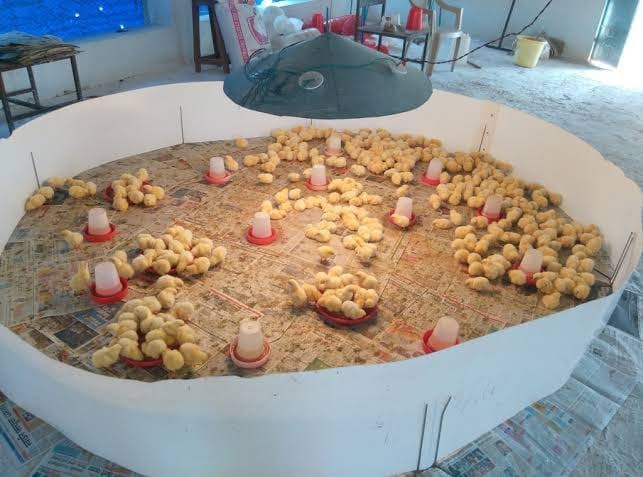
How to Prevent High Mortality in Old Day Chicks: A Guide for Young Poultry Farmers
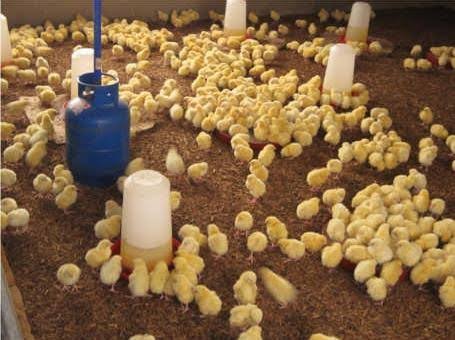
Starting a poultry business can be exciting, but many young farmers lose chicks in the first few weeks because of mistakes in management. Old day chicks are very delicate. The first 1–3 weeks of their lives determine whether they will grow into healthy birds or suffer high mortality.
If you want to become a successful poultry farmer, learning how to prevent chick deaths is one of the most important skills to master.
1. Prepare the Brooder Before Chicks Arrive
Never wait until the chicks arrive before setting up their house.
Prepare:
- Clean brooder house
- Feeders
- Drinkers
- Heat source
- Bedding materials (wood shavings)
- Thermometer
- Adequate lighting
The brooder should be ready at least 24 hours before bringing chicks home.
2. Maintain the Correct Brooding Temperature
Temperature is very important for chick survival.
Recommended temperatures:
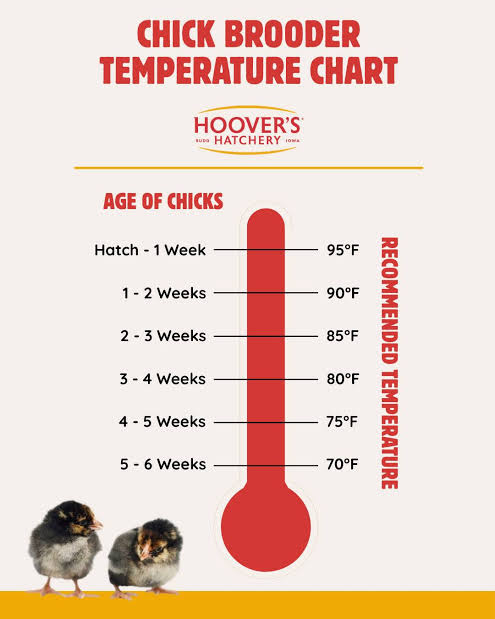
Week 1: 32–35°C
Week 2: 29–32°C
Week 3: 27–29°C
Week 4: Reduce gradually
Signs chicks are too cold:
- Chicks gather under heat source
- Loud chirping
- Weakness
Signs chicks are too hot:
- Chicks move far from heat source
- Heavy breathing
- Wings spread out
Correct temperature helps chicks eat properly and stay healthy.
3. Provide Clean Drinking Water Immediately
After arrival, chicks become stressed from transportation.
Give:
- Clean fresh water
- Glucose or sugar solution (optional for energy recovery)
- Vitamins and electrolytes if needed
Dirty water spreads diseases quickly.
Change water daily.
4. Buy Healthy Chicks from Reliable Hatcheries
Do not buy chicks simply because they are cheap.
Healthy chicks should:
- Be active
- Have bright eyes
- Stand firmly
- Have clean vents
- Be free from deformities
Poor-quality chicks often have higher death rates.
5. Use Quality Chick Feed
Chicks need nutrients for fast growth.
Give:
- Good quality chick starter feed
- Fresh feed
- Feed free from mold
Poor feed can cause:
- Weak growth
- Disease
- Increased mortality
6. Avoid Overcrowding
Too many chicks in a small space creates problems:
- Stress
- Heat buildup
- Disease spread
- Fighting for feed and water
Provide enough space so chicks can move comfortably.
7. Keep the Brooder Clean
Cleanliness reduces disease.
Good practices:
- Remove wet bedding
- Wash drinkers regularly
- Clean feeders
- Remove droppings
- Disinfect equipment
Wet litter encourages bacteria and infections.
8. Follow Vaccination Programs
Vaccines protect birds against deadly diseases.
Common vaccinations may include:
- Newcastle Disease
- Gumboro Disease
Consult local veterinary professionals for schedules suitable for your area.
9. Restrict Visitors
Too many visitors can introduce diseases into your poultry house.
Safety measures:
- Limit unnecessary visitors
- Use footbaths with disinfectant
- Wash hands before handling birds
Biosecurity saves birds.
10. Observe Your Chicks Daily
Successful poultry farmers watch their birds every day.
Check for:
- Weak chicks
- Loss of appetite
- Strange droppings
- Difficulty breathing
- Unusual behavior
Early detection can prevent large losses.
Common Mistakes Young Poultry Farmers Should Avoid
- Buying poor-quality chicks
- Wrong brooder temperature
- Dirty water
- Wet litter
- Overcrowding
- Delaying vaccination
- Using poor feed
- Ignoring sick birds
Final Thoughts
High mortality in old day chicks is usually not caused by one problem. Small mistakes in temperature, feeding, hygiene, and management can quickly lead to losses.
For young people entering poultry farming, focus on proper brooding, cleanliness, quality feed, clean water, and daily observation. Strong management during the first few weeks gives your chicks a better chance to grow into healthy and productive birds.
Leave a Reply