
Correct Brooder Temperature for Week 1–8 Chicks: A Guide for Young African Poultry Farmers
Starting poultry farming can be exciting, but many beginners lose chicks within the first few weeks because of poor brooding temperature management. Old day chicks cannot regulate their body temperature properly after hatching, so they depend on the farmer to provide warmth.
For young African poultry farmers and anyone planning to start poultry farming, understanding the correct brooder temperature can help reduce chick mortality, improve growth, and increase profit.
Why Brooder Temperature Is Important
When chicks are too cold:
- They gather tightly together under the heat source
- They become weak and inactive
- Feed intake reduces
- Growth becomes slow
- Disease risk increases
- Some chicks may die from cold stress
When chicks are too hot:
- Chicks move far from the heat source
- They pant with open mouths
- They drink excessive water
- Feed consumption drops
- Dehydration can occur
The right temperature keeps chicks active, healthy, and growing properly.
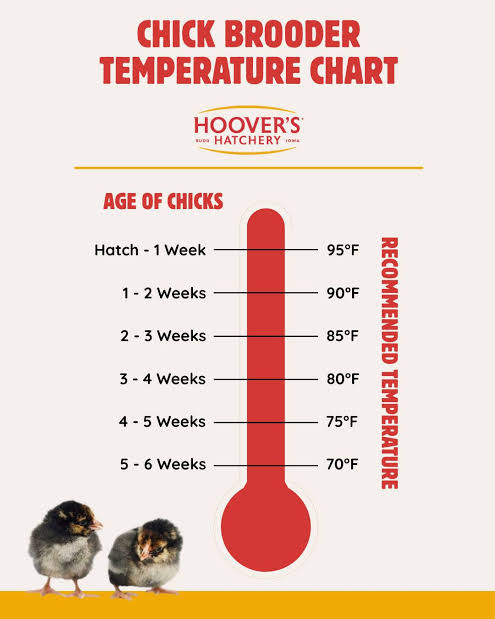
Correct Brooder Temperature for Week 1–8
| Chick Age | Recommended Temperature |
|---|---|
| Week 1 | 32–35°C |
| Week 2 | 30–32°C |
| Week 3 | 28–30°C |
| Week 4 | 26–28°C |
| Week 5 | 24–26°C |
| Week 6 | 22–24°C |
| Week 7 | 20–22°C |
| Week 8 | 18–20°C |
Reduce the brooder temperature gradually by around 2–3°C every week.
How African Farmers Can Maintain Brooder Temperature
Many poultry farmers in Africa operate small or medium-scale farms and may not have expensive heating systems. These common methods can work:
Charcoal Pot Brooder
- Low cost
- Common in rural areas
- Place safely to avoid smoke entering the brooder
Electric Bulbs
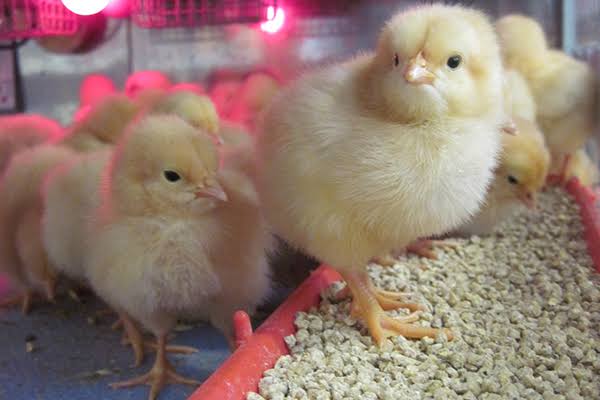
- 100–200W bulbs are commonly used
- Easy for small poultry farms
- Useful where electricity supply is stable
Gas Brooder
- Suitable for larger poultry farms
- Provides consistent heat
Kerosene Brooder
- Common where electricity is unavailable
- Requires proper ventilation
Watch Chick Behaviour
Your chicks can tell you whether the temperature is correct.
Too cold
- Chicks crowd together
- Loud chirping
- Reduced movement
Too hot
- Chicks stay at brooder edges
- Open-mouth breathing
- Wings spread slightly
Correct temperature
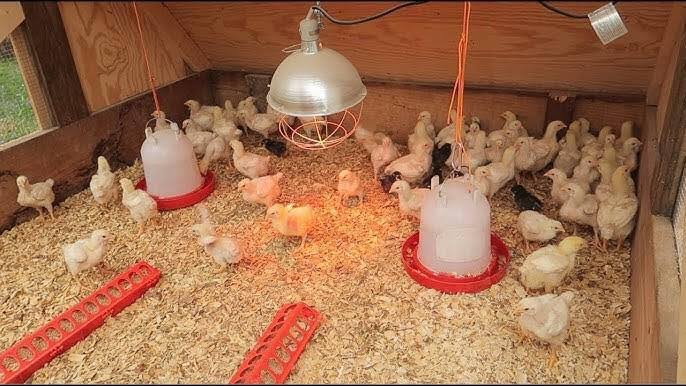
- Chicks spread evenly
- Quiet and active
- Eating and drinking normally
Extra Brooding Tips for Beginners
- Preheat the brooder 24 hours before chicks arrive.
- Place clean water immediately chicks enter the brooder.
- Avoid cold air entering the brooding area.
- Use clean and dry litter materials.
- Do not overcrowd chicks.
- Monitor temperature morning and night.
- Use a thermometer whenever possible.
- Remove wet litter quickly.
Final Advice
The first 8 weeks of a chick’s life are critical in poultry farming. Many successful poultry farmers in Africa focus heavily on brooding because healthy chicks become productive birds later. Even with good feed and medication, poor temperature management can lead to losses.
If you get the brooder temperature right, your chicks eat better, grow faster, resist disease more effectively, and give better returns for your poultry business.
Leave a Reply