
How to Plant Okra: A Step-by-Step Guide for a Young Nigerian Farmer
Okra (also called lady’s finger) is one of the easiest crops to grow in Nigeria because it loves heat, sunshine, and well-drained soil. If you prepare well and follow the right steps, you can harvest okra continuously for 2–3 months.
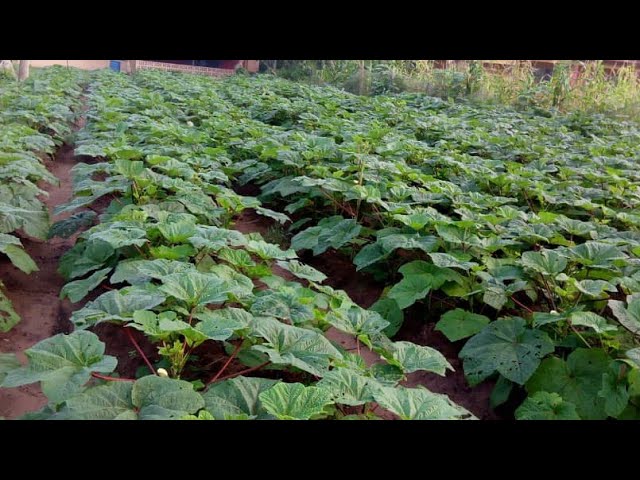
1. Choose the Right Variety
Some popular okra varieties in Nigeria include:
- Clemson Spineless
- V35
- LD88
- NHAe47-4
Choose a variety based on:
- Heat tolerance
- Disease resistance
- High yield
2. Prepare the Land Properly
Good land preparation determines your crop success.
Steps:
- Clear the land – remove weeds, shrubs, and stones.
- Plough or dig – loosen soil to about 15–20 cm depth.
- Add organic manure – chicken manure, goat droppings, or compost improves soil fertility.
- Create ridges or beds – ridges help drainage, especially in rainy season areas.
Why ridges?
Okra roots do not like waterlogging. Ridges help excess water drain away.
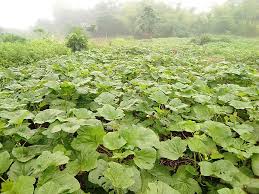
3. Check the Soil
Ideal soil:
- Light to medium loamy soil
- Well drained
- pH 6.0–7.0
- Rich in organic matter
If soil is too sandy → add manure
If soil is too clayey → add compost, poultry droppings, or dry leaves
4. Planting Season
Okra grows best during:
- Early rainy season (March–June)
- Late rainy season (August–October)
You can also grow okra during dry season with irrigation.
5. Seed Preparation
Soak the seeds before planting:
- Soak in warm water for 6–12 hours
This breaks seed dormancy and increases germination.
6. Planting Method
Spacing:
- 60 cm × 60 cm (for tall varieties)
- 45 cm × 45 cm (for dwarf varieties)
Steps:
- Make a small hole (2–3 cm deep).
- Drop 2–3 seeds per hole.
- Cover lightly with soil.
- Water immediately (if soil is dry).
After 2–3 weeks:
- Thin down to 1 healthy plant per stand.
7. Watering
Okra needs:
- Good moisture during early growth
- Less water after flowering
Do not overwater. Waterlogging causes root rot.
8. Weed Management
Weed regularly:
- First weeding after 2–3 weeks
- Second weeding at 5–6 weeks
Weeds compete with okra for nutrients and reduce yield.
9. Fertilizer Application
Okra responds well to organic manure.
But you can apply inorganic fertilizer like:
- NPK 15:15:15 at 2–3 weeks after planting
- Use about 100–150 kg per hectare (or 1–2 spoonfuls per plant)
Avoid over-fertilizing, otherwise plants will grow tall with few pods.
10. Pest & Disease Control
Common pests:
- Termites
- Aphids
- Caterpillars
Use:
- Neem extract (organic)
- Approved pesticides (use moderately and follow instructions)
Common diseases:
- Leaf spot
- Powdery mildew
Control:
- Proper spacing
- Avoid overcrowding
- Remove diseased leaves
11. Harvesting
Okra is ready 45–60 days after planting.
Harvest when pods are:
- 3–5 inches long
- Tender and green
Pick every 2–3 days to encourage continuous production.
12. Post-Harvest Handling
- Do not keep okra under direct sun
- Wash gently
- Pack in ventilated baskets
- Transport early in the morning to reduce heat stress
Final Tips for Success
- Use good-quality seeds
- Maintain good soil drainage
- Weed often
- Harvest early and frequently
- Start small and grow gradually
Leave a Reply