
Starting a sheep farming business in Nigeria can be a profitable venture if approached with proper planning, knowledge, and care. Here’s a comprehensive guide to educate a farmer looking to go into sheep farming:
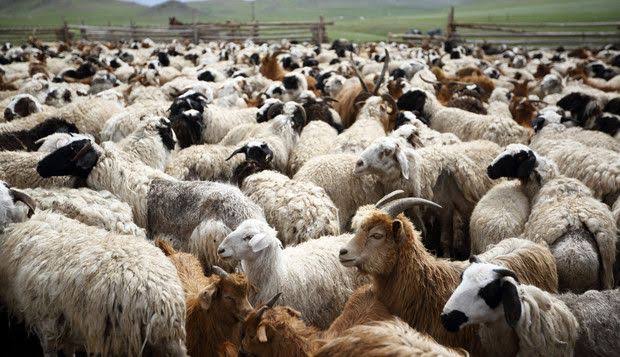
1. Understand Sheep Farming
Sheep farming involves raising sheep primarily for meat (mutton), milk, wool, or breeding. In Nigeria, the focus is mostly on meat production due to high demand for mutton in local markets.
Benefits of sheep farming:
- Quick returns compared to other livestock
- High demand for mutton
- Sheep are relatively easy to manage
- Good income from breeding and selling lambs
2. Choose the Right Breed
Selecting the right breed is crucial for profitability. Common sheep breeds in Nigeria include:
- West African Dwarf (WAD): Small, disease-resistant, ideal for meat.
- Yankasa: Good for meat, hardy and adaptable.
- Balami: Large-sized, suitable for meat production.
- Uda: Hardy and good for crossbreeding.
Choose a breed based on your farming goals, climate, and available resources.
3. Decide on the Farming System
Sheep farming in Nigeria can follow three systems:
- Extensive system: Sheep graze freely on natural pastures. Low cost but requires large land and exposes sheep to predators.
- Semi-intensive system: Combination of grazing and supplemental feeding. Cost-effective and manageable.
- Intensive system: Sheep are fully housed and fed with purchased feed. Higher cost but higher control over growth and health.
4. Prepare Housing
Sheep need safe and clean housing to prevent diseases and protect them from weather and predators.
Housing tips:
- Use ventilated pens with concrete or raised floors
- Provide separate pens for rams, ewes, and lambs
- Keep the housing clean and dry
- Ensure adequate space: about 0.5 – 1.0 m² per sheep
5. Feeding and Nutrition
Proper nutrition is key to healthy and productive sheep.
- Pasture: Allow grazing on grasses and legumes.
- Supplemental feed: Provide concentrate feeds like maize, soybean, wheat bran, and groundnut cake.
- Water: Ensure access to clean drinking water at all times.
Lambs may require milk supplements if separated from the ewes early.
6. Health Management
Sheep are prone to diseases if not properly cared for.
- Vaccinations: Regularly vaccinate against common diseases like Peste des Petits Ruminants (PPR) and sheep pox.
- Deworming: Use dewormers every 3-6 months to control parasites.
- Veterinary care: Have a vet available for emergencies and regular health checks.
7. Breeding
Effective breeding ensures a steady supply of lambs and continuous income.
- Select healthy breeding stock with good traits.
- Breeding cycle: Sheep usually breed twice a year.
- Record keeping: Track birth dates, lineage, and health records.
8. Marketing Your Sheep
Before starting, identify your market:
- Local markets and abattoirs for meat sales
- Hotels, restaurants, and catering businesses
- Live sheep sales for breeding purposes
Good marketing can significantly increase profitability.
9. Financial Considerations
Starting sheep farming requires initial capital for:
- Buying sheep (starter stock)
- Housing and equipment
- Feed and water supply
- Veterinary care and medications
Estimate your budget and consider starting small, then gradually expanding as you gain experience.
10. Tips for Success
- Start with a small flock to learn management before scaling up
- Keep detailed records of expenses, health, and breeding
- Join farmers’ associations for networking and support
- Stay updated on modern sheep farming practices
Starting a sheep farm in Nigeria can be highly rewarding if approached systematically. With the right breed, proper housing, nutrition, health management, and market knowledge, a farmer can turn sheep farming into a sustainable and profitable business.
Leave a Reply