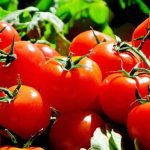
Pepper farming is one of the most profitable agricultural ventures in Nigeria today. Whether it’s the popular tatase (bell pepper), rodo (scotch bonnet), or shombo (chili pepper), the demand for fresh pepper remains high all year round. Nigerians use pepper daily in cooking, making it a hot-selling crop in both local and urban markets.
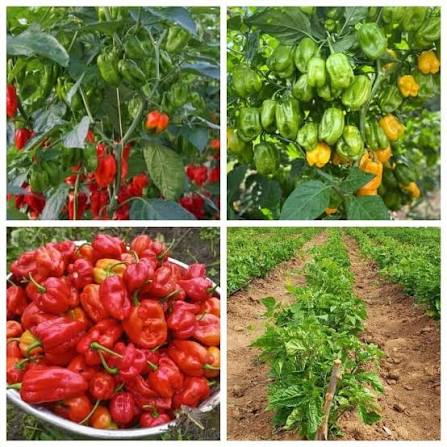
This article will educate young farmers on how to start a successful fresh pepper farm in Nigeria.
1. Why Fresh Pepper Farming Is Profitable in Nigeria
Pepper farming is a lucrative agribusiness because:
- Pepper is consumed daily in almost every Nigerian household.
- It grows well in many regions with the right care.
- You can harvest multiple times from one planting cycle.
- Both local and export markets are available for pepper farmers.
With proper planning and modern farming techniques, a small pepper farm can generate huge income within a few months.
2. Suitable Soil and Climate for Pepper Farming
Fresh pepper grows best in well-drained loamy soil rich in organic matter. The soil pH should range between 6.0 and 7.0.
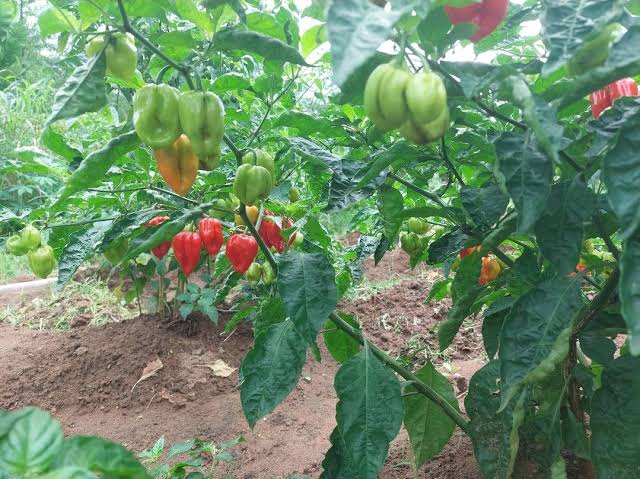
Pepper thrives in warm tropical climates with temperatures between 25°C to 30°C. Rainfall should be moderate, and irrigation is important during dry seasons to maintain consistent soil moisture.
3. Land Preparation for Pepper Farming
Before planting pepper, you must prepare the land properly.
- Clear the land: Remove weeds, bushes, and stumps.
- Plough and harrow: This helps loosen the soil for good root penetration.
- Add organic manure: Apply compost or poultry droppings to enrich the soil.
- Create beds or ridges: This improves drainage and makes weeding easier.
4. Selecting the Best Pepper Variety
There are several types of pepper you can grow in Nigeria. Choose a variety that suits your region and market demand:
- Rodo (Scotch Bonnet): Popular for its hot flavor and aroma.
- Shombo (Chili Pepper): Commonly used in dried pepper and spice production.
- Tatase (Bell Pepper): Larger in size and used in stews and sauces.
For commercial purposes, always buy high-yield hybrid seeds from reputable agro-dealers.
5. How to Plant Pepper Seeds
Step 1: Nursery Preparation
- Plant seeds in a nursery tray or seedbed using rich loamy soil mixed with compost.
- Cover lightly with soil and water daily.
- The seeds will germinate within 7–10 days.
Step 2: Transplanting
- After 4–6 weeks, when seedlings are about 6 inches tall, transplant them to the main farm.
- Spacing: 45 cm between plants and 60 cm between rows.
- Water immediately after transplanting.
6. Caring for Your Pepper Plants
- Weeding: Keep the farm weed-free to prevent competition for nutrients.
- Fertilizer Application: Apply NPK fertilizer (15:15:15) two weeks after transplanting, and again after flowering begins.
- Watering: Maintain steady moisture but avoid overwatering to prevent root rot.
- Pest and Disease Control: Use organic pesticides or recommended agrochemicals to control aphids, thrips, and fungal infections.
7. Harvesting Your Fresh Pepper
Pepper plants start producing fruits about 3 months after transplanting.
- Harvest when the fruits turn red or mature green, depending on your target market.
- Regular harvesting encourages more fruit production.
- Handle peppers gently to avoid bruising.
8. Marketing and Selling Your Pepper
You can sell your harvested peppers in:
- Local markets
- Food processing companies
- Restaurants and hotels
- Export markets (for dried or processed pepper)
Packaging your fresh pepper neatly and maintaining consistent supply will help you build trust with buyers and earn more.
9. Estimated Cost and Profit in Pepper Farming
A small-scale pepper farm (1 acre) can cost between ₦200,000 to ₦400,000 to start, depending on irrigation and fertilizer costs.
You can make between ₦700,000 and ₦1,200,000 per season if properly managed.
10. Final Tips for Success in Pepper Farming
- Start small and expand as you gain experience.
- Use organic manure to maintain soil fertility.
- Keep proper farm records and monitor growth.
- Network with local farmers and buyers.