Tomato farming is one of the most profitable agricultural ventures in Nigeria and across Africa today. With the growing demand for fresh tomatoes, adopting modern tomato farming techniques can help young farmers achieve higher yields, reduce losses, and increase profits.
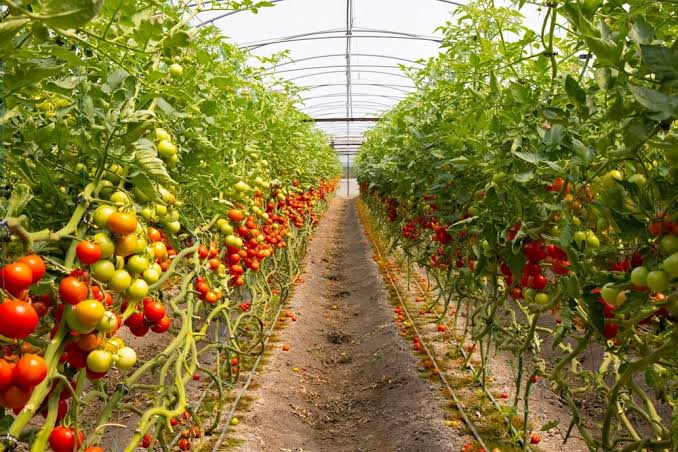
In this article, you will learn modern tomato farming methods, from land preparation to harvesting, based on current agricultural practices that ensure success.
1. Select the Right Tomato Variety
Choosing the right tomato variety is the first step toward successful farming. Modern hybrid tomato varieties are disease-resistant, high-yielding, and adaptable to various weather conditions.
Popular improved tomato varieties include:
- UC82B: Suitable for dry season farming and high yield.
- Roma VF: Known for firm fruits and long shelf life.
- Tropimech: Performs well in both wet and dry conditions.
- Caro Rich: Rich in Vitamin A and great for commercial farming.
2. Use Improved Seedlings
Modern tomato farming encourages nursery planting instead of direct sowing.
Grow seedlings in a nursery for 3–4 weeks before transplanting.
Tips:
- Use sterilized soil and organic compost.
- Protect seedlings with shade nets.
- Apply organic pesticides like neem oil to prevent pests early.
3. Practice Drip Irrigation
Water management is key to modern tomato farming.
Drip irrigation provides consistent water directly to the plant roots, saving water and improving fruit quality.
Benefits:
- Reduces water wastage.
- Minimizes fungal diseases.
- Increases yield and fruit size.
4. Apply Organic and Inorganic Fertilizers Wisely
Tomatoes require nutrients for proper growth and fruit development.
Use a mix of organic manure (like compost or poultry droppings) and NPK fertilizer for best results.
Recommended fertilizer schedule:
- Apply NPK 15:15:15 two weeks after transplanting.
- Add urea during flowering.
- Supplement with potassium during fruiting to boost fruit size and taste.
5. Use Mulching to Retain Soil Moisture
Covering the soil with dry leaves, straw, or plastic mulch helps conserve moisture, control weeds, and maintain soil temperature.
Mulching also improves the overall quality of tomatoes.
6. Practice Integrated Pest Management (IPM)
Pests such as aphids, whiteflies, and tomato hornworms can damage crops.
Modern farmers combine biological, cultural, and chemical methods for control.
Techniques include:
- Planting pest-repelling crops like marigolds.
- Using organic sprays like neem oil.
- Applying safe insecticides when necessary.
7. Staking and Pruning for Better Yield
Support your tomato plants with wooden stakes or strings to prevent fruits from touching the soil.
Prune excess leaves and branches to improve air circulation and direct nutrients to fruit-bearing branches.
8. Greenhouse Tomato Farming
Greenhouse farming is one of the most advanced modern tomato farming methods.
It allows farmers to grow tomatoes year-round under controlled temperature, humidity, and irrigation systems.
Advantages:
- Protection from harsh weather.
- Reduced pest and disease attacks.
- Continuous production and higher income.
9. Post-Harvest Handling and Storage
After harvesting, handle tomatoes carefully to prevent bruising.
Store them in a cool, dry place or transport them in ventilated crates.
Proper post-harvest handling increases shelf life and market value.
Conclusion
Modern tomato farming is not about working harder — it’s about working smarter.
By using improved varieties, drip irrigation, greenhouse farming, and proper pest control, young farmers can achieve great success and consistent profit from tomato farming in Nigeria and beyond.