
Starting a poultry farm can be a highly profitable venture if done correctly. With proper planning, management, and dedication, you can excel in poultry farming and generate consistent income. This guide will educate new and existing poultry farmers on how to start and succeed in poultry farming.
1. Understanding Poultry Farming
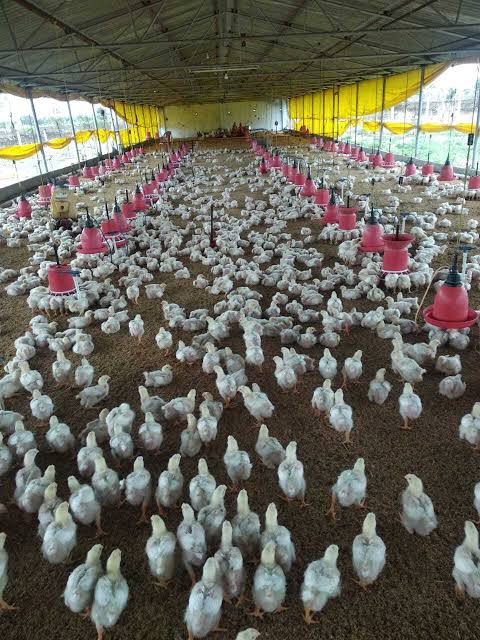
Poultry farming involves raising domesticated birds like chickens, ducks, or turkeys for meat (broilers) or eggs (layers). Before starting, it is crucial to know the type of poultry business you want:
- Broiler Farming: Raising chickens for meat production.
- Layer Farming: Raising chickens for egg production.
- Mixed Farming: Combining both meat and egg production.
Knowing your focus will determine your investment, management, and feeding strategies.
2. Conducting Market Research
Before starting your poultry farm, research the market:
- Identify your target customers (retail, restaurants, supermarkets).
- Study local demand for eggs or poultry meat.
- Check competitors’ pricing and services.
- Identify potential suppliers for chicks, feed, and equipment.
Market research ensures your farm meets demand and reduces the risk of losses.
3. Choosing a Suitable Location
The location of your poultry farm is critical for success:
- Accessibility: Easy access to roads for supply and sales.
- Ventilation: Ensure good airflow to prevent diseases.
- Water Supply: Clean and sufficient water for your birds.
- Distance from Residential Areas: Reduces noise and odor complaints.
A well-chosen location improves productivity and reduces operational challenges.
4. Selecting the Right Breed
Choose the right breed depending on your goal:
- Broilers: Cobb 500, Ross 308 (fast-growing for meat).
- Layers: Isa Brown, Lohmann Brown (high egg production).
- Dual-purpose: Suitable for both meat and eggs, e.g., Rhode Island Red.
Healthy, quality chicks are essential for a successful farm.
5. Building Proper Housing
Poultry houses protect your birds and support optimal growth. Consider:
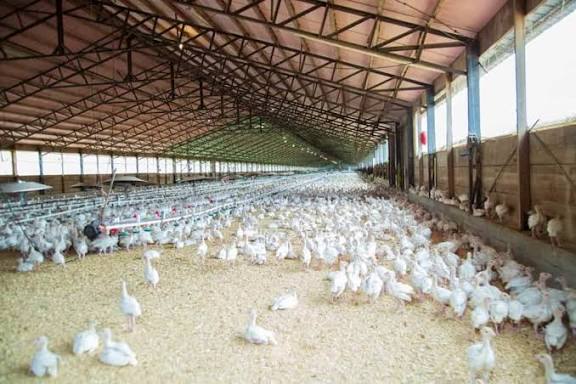
- Deep Litter System: Bedding absorbs moisture and waste.
- Battery Cage System: Common in commercial layer farming.
- Adequate Space: 1–1.5 sq ft per bird for layers, 1.5–2 sq ft for broilers.
- Ventilation & Lighting: Proper airflow and light enhance growth and egg production.
A well-designed poultry house reduces disease risk and increases productivity.
6. Feeding and Nutrition
Feeding is one of the most important factors for poultry success:
- Provide balanced diets for broilers and layers.
- Clean water should always be available.
- Include supplements like vitamins and minerals.
- Avoid sudden changes in feed to prevent stress.
Proper nutrition ensures healthy birds, faster growth, and higher egg production.
7. Disease Prevention and Biosecurity
Diseases can destroy your poultry farm if ignored:
- Vaccinate chicks as recommended by veterinarians.
- Maintain cleanliness in poultry houses.
- Limit visitors and avoid contact with wild birds.
- Quarantine new birds before introducing them to your flock.
A disease-free farm guarantees consistent production and profits.
8. Record-Keeping and Farm Management
Keeping accurate records helps in monitoring progress and decision-making:
- Daily feed consumption
- Egg production or growth rate
- Mortality rate
- Expenses and revenue
Record-keeping allows you to identify challenges and improve farm efficiency.
9. Marketing Your Poultry Products
To excel in poultry farming, you must have a reliable market:
- Sell directly to consumers, retailers, or restaurants.
- Use social media platforms to reach more customers.
- Offer bulk deals or regular supply contracts.
Effective marketing ensures steady sales and maximizes profits.
10. Scaling Your Poultry Farm
Once your farm is running successfully, consider:
- Increasing flock size
- Adding more poultry houses
- Diversifying into value-added products (processed meat, packaged eggs)
Scaling gradually ensures sustainable growth and long-term success.
Tips for Excelling in Poultry Farming
- Start small and expand gradually.
- Always prioritize bird health and welfare.
- Keep updated with modern poultry farming techniques.
- Network with other poultry farmers for advice and support.
- Monitor farm performance and adapt strategies accordingly.
Conclusion:
Starting a poultry farm requires careful planning, dedication, and proper management. By following these steps, you can build a profitable poultry business and excel in the industry. Focus on quality, biosecurity, and customer satisfaction to achieve long-term success.