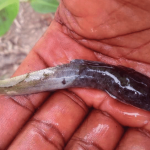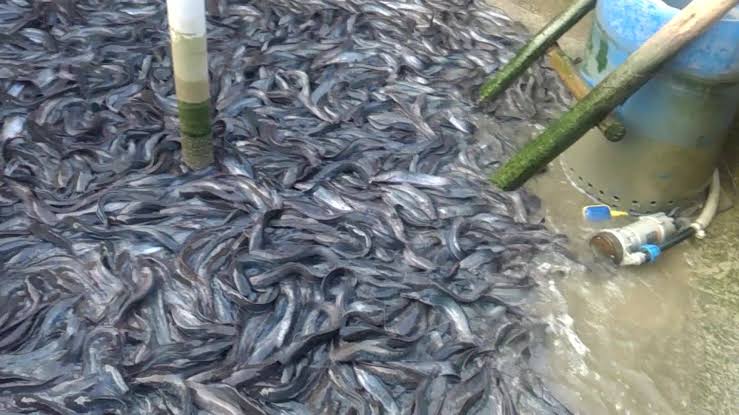

Starting catfish farming in Nigeria can be a profitable agribusiness when done the right way. One key part of catfish management is feeding, especially knowing when to stop feeding your catfish — both daily and as they grow. Overfeeding or underfeeding can lead to poor growth, waste of feed, and even water pollution that harms the fish.
This guide explains how to know when to stop feeding your catfish at the early stage, the signs to look out for, and tips to help you grow healthy catfish efficiently.

Understand Catfish Feeding at the Early Stage
At the early stage (from day-old to 4 weeks old), catfish fingerlings or juveniles need high-protein feeds such as starter feeds (0.2mm–2mm) to grow fast. They eat frequently because their metabolism is high, but feeding should be controlled and monitored carefully.
When to Feed and When to Stop Feeding Catfish
1. Watch Their Feeding Response
When you pour feed into the pond, observe how the fish react:
- If they rush to the feed actively, they are still hungry.
- When they slow down or ignore the feed, it’s a sign they are satisfied — stop feeding immediately.
Tip: Overfeeding will cause leftover feed to decay, producing ammonia and reducing oxygen levels in the water.
2. Observe the Pond Surface and Water Clarity
If you notice feed floating or murky water after feeding, it means too much feed is being wasted.
- Always feed gradually in small portions.
- Stop once you see uneaten feed accumulating.
3. Feeding Duration Should Not Exceed 10–15 Minutes
At the early stage, feed the fish 2–3 times daily (morning, afternoon, and evening).
Each feeding session should last no more than 10–15 minutes.
After that, stop feeding even if a few fish are still moving around — they’re likely full.
4. Check Catfish Belly and Movement
Well-fed catfish will have a round belly and move sluggishly near the pond bottom after eating.
If they remain at the surface and active, it might mean they need a bit more feed — but stop once you notice full bellies.
5. Maintain a Consistent Feeding Schedule
Feed at the same time daily so your catfish develop a routine feeding habit.
This helps you easily spot when they’ve eaten enough and reduces feed waste.

What Happens When You Overfeed Catfish
- Water pollution: Uneaten feed decays, releasing harmful gases.
- Poor growth: Dirty water reduces oxygen and slows growth.
- Fish mortality: Ammonia build-up can kill fish overnight.
- Feed waste: You’ll lose money on unused feed.
Best Feeding Practices for Early-Stage Catfish
- Use floating feed to monitor consumption easily.
- Feed based on fish size, not by estimation.
- Keep pond water clean by changing water regularly.
- Record daily feed quantity and fish behavior.
Final Thoughts
Knowing when to stop feeding your catfish is a vital skill for every beginner catfish farmer. Proper feeding control ensures fast growth, reduces feed cost, and keeps your pond water clean. Always observe your fish behavior and feeding response — your eyes are your best tools in catfish farming.
With the right feeding habits, you’ll enjoy healthy, fast-growing catfish and higher profits in your fish farming business.