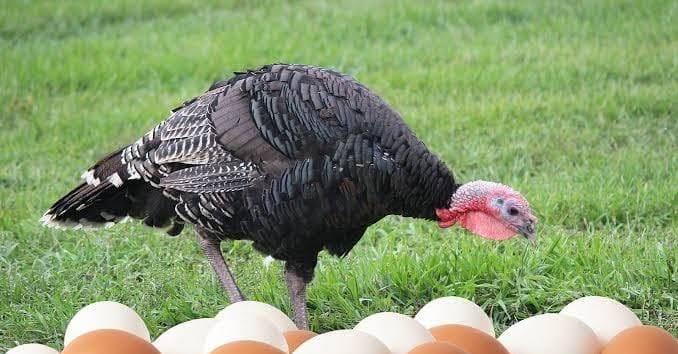
Turkey Feed Chart in Nigeria: Feeding Turkeys From Small to Big
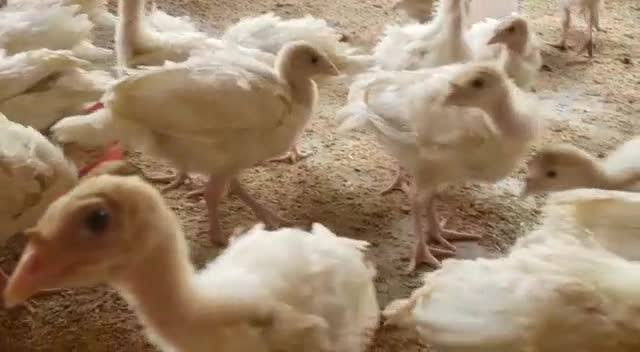
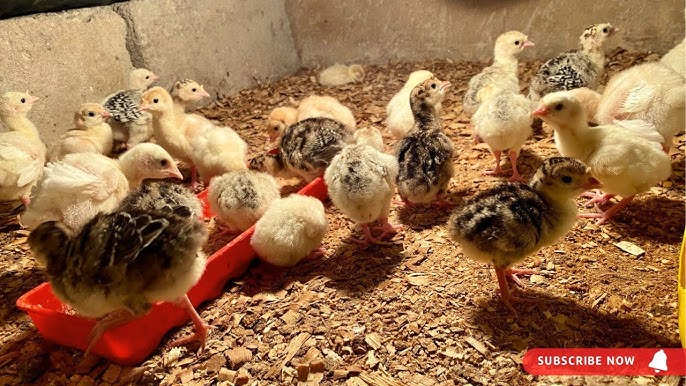
Yes. For turkey farming in Nigeria, the feeding programme should change as the birds grow. Turkey poults need more protein when they are young, while older birds need relatively more energy and less protein. Nigerian poultry research and guidance commonly use starter, grower and finisher phases, with around 28% crude protein in starter feed and progressively lower protein as the birds mature.
Below is a practical Nigerian-style feeding guide, including commercial feed, locally available ingredients, supplementary feeds and what to avoid.
🦃 Turkey Feeding Guide — From Small Poults to Adult Birds
| Age | Stage | Main feed | Approx. crude protein |
|---|---|---|---|
| Day 1–7 | Early poult | Turkey pre-starter/starter | 28% |
| Week 2–6/8 | Starter | Turkey starter | 26–28% |
| Week 7–12 | Grower 1 | Turkey grower | ~24–26% |
| Week 13–16 | Grower 2 | Turkey grower | ~22–24% |
| Week 17–20+ | Finisher | Turkey finisher | ~18–20% |
| Mature/breeding | Adult/breeder | Breeder ration | ~16%+ |
There are different feeding programmes depending on the turkey strain and whether you are raising meat birds or breeders. For example, Federal University of Agriculture, Abeokuta guidance gives starter at 0–8 weeks, grower 8–16 weeks and finisher 16–20 weeks, while Nigerian research has also used 0–6, 7–16 and 17–20 weeks.
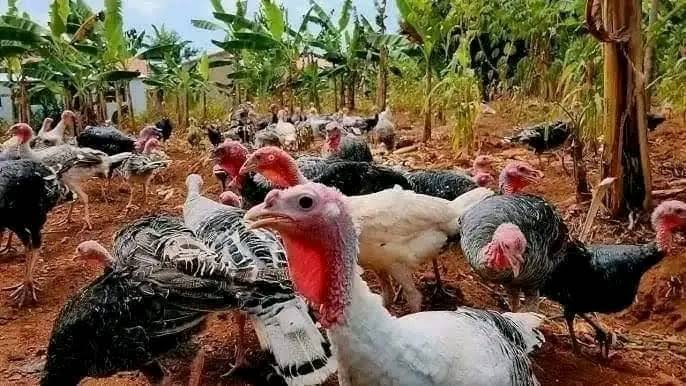
🐣 1. Day-old to 1 week — Pre-starter/very young poults
This is the most delicate stage.
The main food should be a good-quality turkey pre-starter or turkey starter feed. Do not depend on maize alone, because young poults need high-quality protein and amino acids for rapid muscle and bone development.
Suitable feeds/ingredients include:
- Turkey pre-starter
- Turkey starter mash or crumble
- Maize
- Soybean meal/full-fat soybean that has been properly processed
- Fish meal where properly sourced and formulated
- Groundnut cake
- Blood meal in properly formulated quantities
- Vegetable oil
- Vitamin-mineral premix
- Methionine and lysine where included by the feed formulation
- Limestone and dicalcium phosphate for mineral supply
A properly formulated commercial feed is safer than trying to mix individual ingredients without knowing their nutrient values.
Important: Put feed where the poults can easily find it and provide clean water continuously. FAO specifically notes that poults should be able to find feed and water quickly after hatching and that feed should be supplied in feeders rather than directly on the ground.
🐥 2. Week 2–6/8 — Starter Stage
This is the major body-building stage.
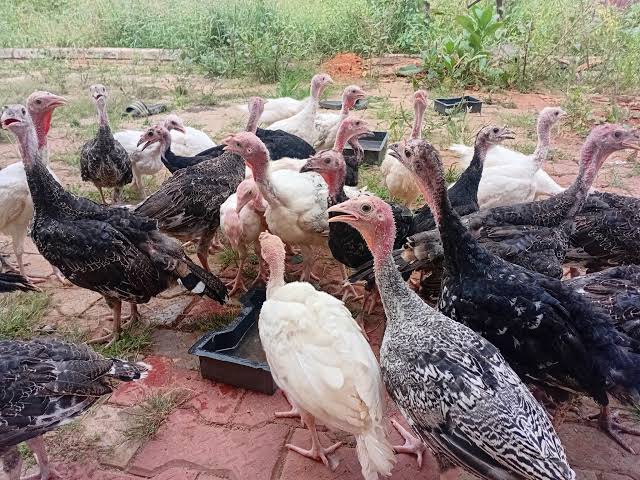
The turkey is growing rapidly, so protein remains high. A Nigerian turkey study used 28% crude protein starter feed from 0–6 weeks.
Main food
Turkey starter feed should remain the primary food.
If you are formulating feed yourself, the major categories are:
Energy sources
- Maize
- Sorghum
- Wheat/offal where suitable
- Properly processed cassava products
Protein sources
- Soybean meal
- Groundnut cake
- Fish meal
- Blood meal
- Other properly processed protein ingredients
Mineral sources
- Limestone
- Dicalcium phosphate
- Bone meal where appropriate
- Salt
Micronutrients
- Poultry vitamin-mineral premix
- Methionine
- Lysine
- Other amino-acid supplements where required
The important point is that these ingredients must be balanced into a complete ration. Do not simply mix equal quantities of maize, soybean and other ingredients.
🐔 3. Week 7–12 — First Grower Stage
At this point, the turkey is considerably larger and no longer needs the extremely high protein level of the starter stage.
A Nigerian turkey production study used 24% crude protein grower mash from 7–16 weeks.
Main food categories
Energy:
- Maize
- Sorghum
- Wheat products
- Properly processed cassava products
Protein:
- Soybean meal
- Groundnut cake
- Fish meal
- Other suitable protein meals
Minerals:
- Limestone
- Dicalcium phosphate
- Salt
Supplements:
- Vitamin-mineral premix
- Methionine
- Lysine where required
At this stage, you can begin looking more closely at feed cost per kilogram of weight gained, rather than simply trying to give the highest possible protein.
🦃 4. Week 13–16 — Late Grower
The turkey is now entering the heavy growth period.
The diet should provide sufficient energy, protein, minerals and amino acids for continued muscle and frame development.
A practical target is around 22–24% crude protein, depending on the strain, growth rate and feed formulation.
Suitable ingredients
Energy
- Maize
- Sorghum
- Wheat/offal
- Properly processed cassava products
Protein
- Soybean meal
- Groundnut cake
- Fish meal
- Other suitable protein sources
Minerals
- Limestone
- Dicalcium phosphate
- Salt
- Vitamin-mineral premix
At this stage, don’t suddenly change the feed. Change from one feed phase to another gradually over several days.
🍗 5. Week 17–20+ — Finisher Stage
This is where you concentrate on putting final body weight and meat onto the turkey.
Nigerian research has used approximately 20% crude protein finisher feed from 17–20 weeks, while Federal University of Agriculture, Abeokuta guidance gives a finisher around 18–20% protein.
Main food
- Turkey finisher feed
- Maize
- Sorghum
- Soybean meal
- Groundnut cake
- Appropriate vegetable oil
- Limestone
- Dicalcium phosphate
- Salt
- Vitamin-mineral premix
- Methionine/lysine where required by the formulation
Do not continue giving very high-protein starter feed unnecessarily. As the turkey becomes older, its nutrient requirements change.
🐓 6. Above 20 weeks — Large/Mature Turkeys
If you are keeping the birds longer than the normal meat-production period, particularly for breeding, the feeding programme changes again.
Federal University of Agriculture, Abeokuta lists a roaster diet above 20 weeks for meat birds.
For breeding birds, however, you should use a proper turkey breeder/developer ration, rather than simply feeding finisher indefinitely.
This is particularly important because breeding birds have different requirements from birds being raised purely for meat.
🌾 Local Nigerian Ingredients You Can Use
Nigeria has many ingredients that can be incorporated into turkey diets, but not every ingredient should be fed freely or in raw form.
Maize
One of the most important energy ingredients.
It supplies energy but is not sufficient by itself because its protein content is too low for growing turkeys.
Soybean
An excellent protein source when properly processed.
Do not feed large quantities of raw soybean. Raw soybeans contain anti-nutritional factors, including trypsin inhibitors, which is why soybean products used in poultry feed are normally processed.
Groundnut cake
Commonly available in Nigeria and useful as a protein source.
However, it must be of good quality and properly stored because contaminated/mouldy groundnut products can present serious problems.
Fish meal
A concentrated protein source and useful for supplying amino acids.
Use good-quality fish meal and don’t overuse it.
Cassava
Cassava products can provide energy, but they should be properly processed/dried before inclusion in poultry feed.
Research in Nigeria is also examining processed cassava pulp as a partial replacement for maize in turkey starter diets.
Sorghum
Can serve as an energy source and can be useful where maize is expensive, provided the variety and formulation are appropriate.
Vegetable oil
Can increase dietary energy density when properly incorporated into a balanced ration.
🥬 Can Turkeys Eat Green Leaves?
Yes, older turkeys can consume some plant materials, but green leaves should be treated as supplements, not replacements for complete turkey feed.
Examples that may be used carefully include:
- Amaranthus
- Tender grasses
- Some suitable vegetable leaves
- Other safe, non-toxic forage
The leaves should be clean and free from pesticides, mould and contamination.
For commercial meat production, don’t allow forage to replace the balanced starter/grower/finisher ration.
💧 Water Is Just as Important as Feed
Turkeys should have clean drinking water available at all times.
During Nigeria’s hot weather, water management becomes particularly important.
Provide:
- Fresh water
- Clean drinkers
- Shade
- Good ventilation
- Regular cleaning of drinkers
FAO emphasizes that adequate food and water, together with appropriate housing and disease control, are fundamental to achieving the birds’ production potential.
Food You Should NOT Give Turkeys
Avoid feeding:
- Mouldy maize
- Mouldy bread
- Rotten food
- Spoiled groundnut cake
- Raw soybean in large amounts
- Excessively salty food
- Very oily human food
- Alcohol
- Foods contaminated with pesticides
- Unknown poisonous leaves
- Feed contaminated with faeces
- Large quantities of kitchen waste
Also avoid allowing feed to remain wet for long periods, especially in Nigeria’s warm conditions.
Simple Nigerian Feeding Programme
If you want the simplest system for a Nigerian small/medium-scale turkey farm, I would use:
🐣 0–6/8 weeks:
➡️ Quality turkey starter — about 26–28% protein
🦃 7/8–12 weeks:
➡️ Turkey grower — about 24–26% protein
🦃 13–16 weeks:
➡️ Lower-protein grower — about 22–24% protein
🍗 17–20+ weeks:
➡️ Turkey finisher — about 18–20% protein
🐓 Breeding birds:
➡️ Appropriate turkey breeder/developer ration rather than ordinary finisher.
These ranges are consistent with Nigerian turkey feeding studies and agricultural guidance, although the exact formulation should be adjusted for the breed/strain, sex, target market weight, climate, feed ingredients and whether you’re raising meat birds or breeders.
If you’re mixing feed yourself, I would not recommend copying a generic internet formula blindly. The proportions of maize, soybean meal, groundnut cake, fish meal, cassava and supplements need to be calculated according to their actual nutrient analysis and current Nigerian ingredient quality.
Leave a Reply