Types of Cattle Farming: A Complete Guide for Beginners
Cattle farming is one of the most profitable agricultural businesses in the world. It provides meat, milk, leather, manure, and breeding stock while creating employment and supporting food security. Before starting a cattle farm, it is important to understand the different types of cattle farming so you can choose the system that matches your budget, land, climate, and business goals.
This guide explains the major types of cattle farming, their advantages, disadvantages, and who each system is best suited for.
What Is Cattle Farming?
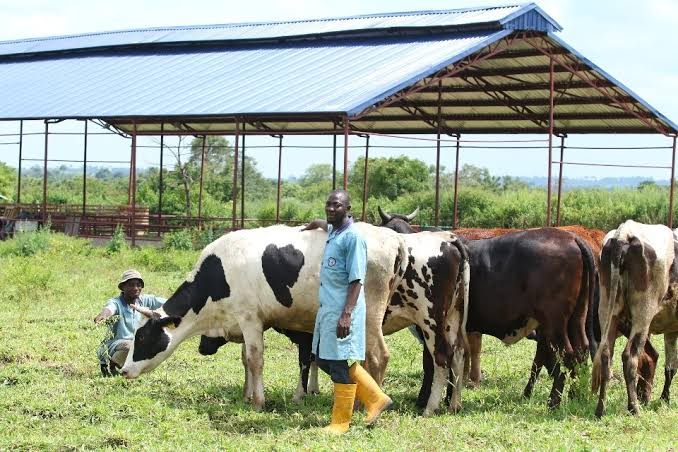
Cattle farming is the practice of raising cattle for commercial or domestic purposes. Farmers rear cattle for products such as beef, milk, breeding animals, hides, organic manure, and even biogas production.
The type of farming you choose will determine your feeding methods, housing, labor requirements, and profitability.
1. Beef Cattle Farming
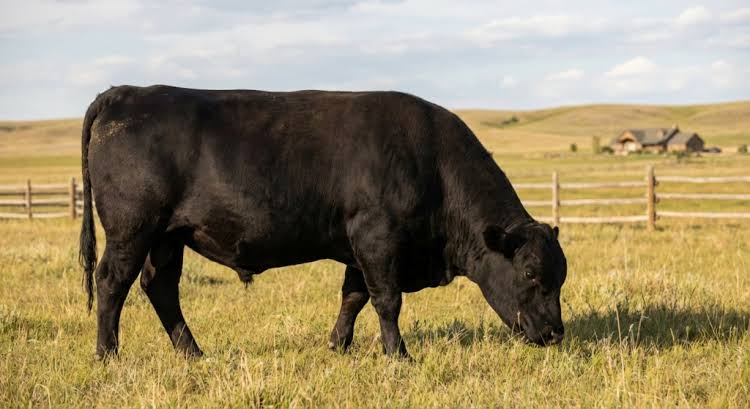
Beef cattle farming focuses on raising cattle primarily for meat production. Farmers buy or breed calves and raise them until they reach market weight before selling them.
Common Beef Breeds
- Angus
- Hereford
- Charolais
- Limousin
- Brahman
- Simmental
Advantages
- High market demand for beef
- Less labor-intensive than dairy farming
- Can utilize natural grazing land
- Good long-term investment
Challenges
- Longer production cycle
- Feed costs can increase during dry seasons
- Market prices may fluctuate
2. Dairy Cattle Farming
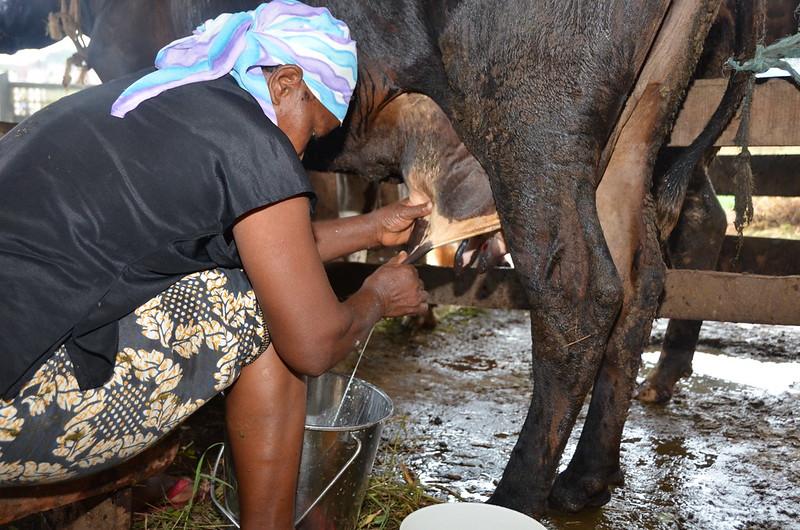
Dairy farming is the production of milk and dairy products. Farmers milk cows daily while ensuring proper nutrition and healthcare.
Popular Dairy Breeds
- Holstein Friesian
- Jersey
- Ayrshire
- Brown Swiss
- Guernsey
Advantages
- Daily income from milk sales
- High demand for fresh milk
- Opportunity to produce cheese, yogurt, and butter
Challenges
- Requires skilled management
- Daily milking routine
- Higher veterinary and feeding costs
3. Dual-Purpose Cattle Farming
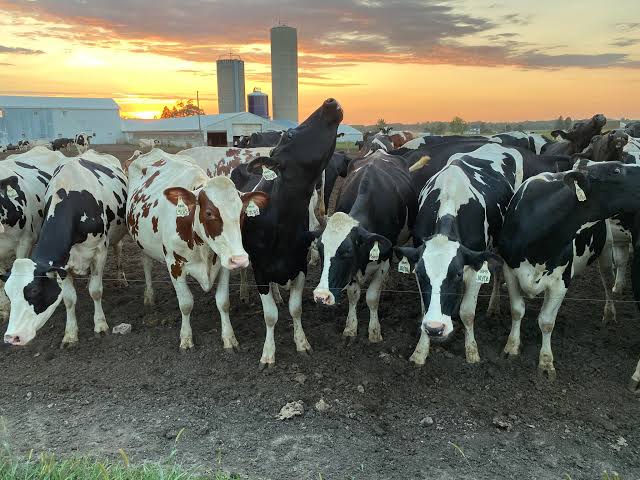
Dual-purpose cattle are raised for both milk and beef production. Farmers earn income from milk while also selling mature animals for meat.
Suitable Breeds
- Simmental
- Shorthorn
- Red Poll
Advantages
- Multiple income streams
- Flexible business model
- Suitable for small and medium farms
Challenges
- Lower milk production than specialized dairy breeds
- Slower beef growth than dedicated beef breeds
4. Breeding Cattle Farming
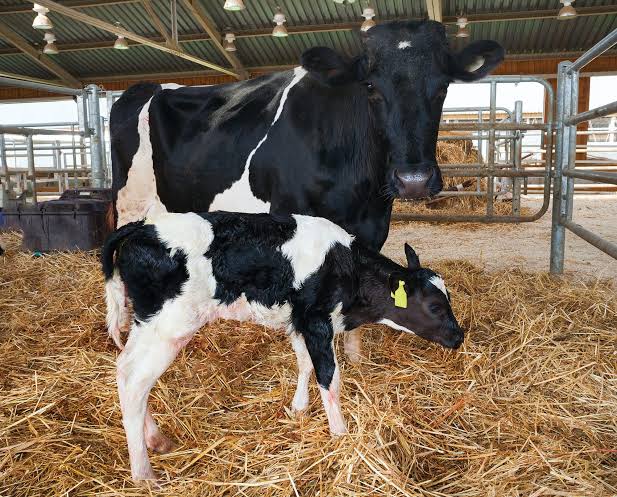
Breeding farms specialize in producing quality calves and breeding stock for sale to other farmers.
Main Activities
- Artificial insemination
- Natural mating
- Genetic improvement
- Record keeping
Advantages
- Premium prices for quality breeding animals
- Helps improve cattle genetics
- Long-term profitability
Challenges
- Requires good breeding knowledge
- Careful record management is essential
5. Cow-Calf Farming
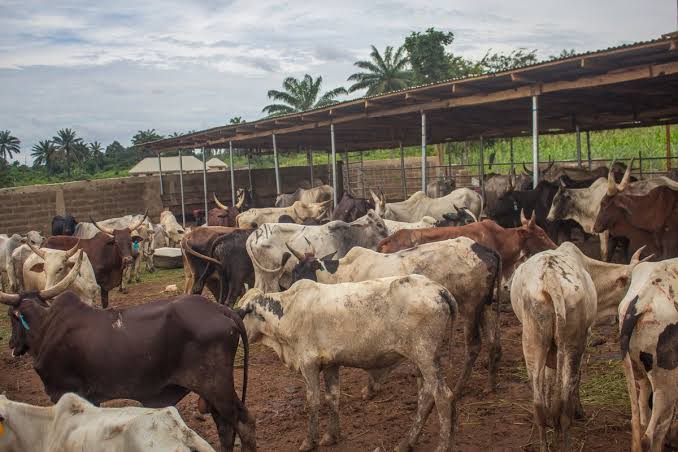
Cow-calf operations maintain breeding cows that produce calves annually. The calves are either sold after weaning or raised further for beef production.
Advantages
- Regular calf production
- Can utilize pasture efficiently
- Foundation of the beef industry
Challenges
- Requires good reproductive management
- Seasonal income
6. Feedlot Cattle Farming
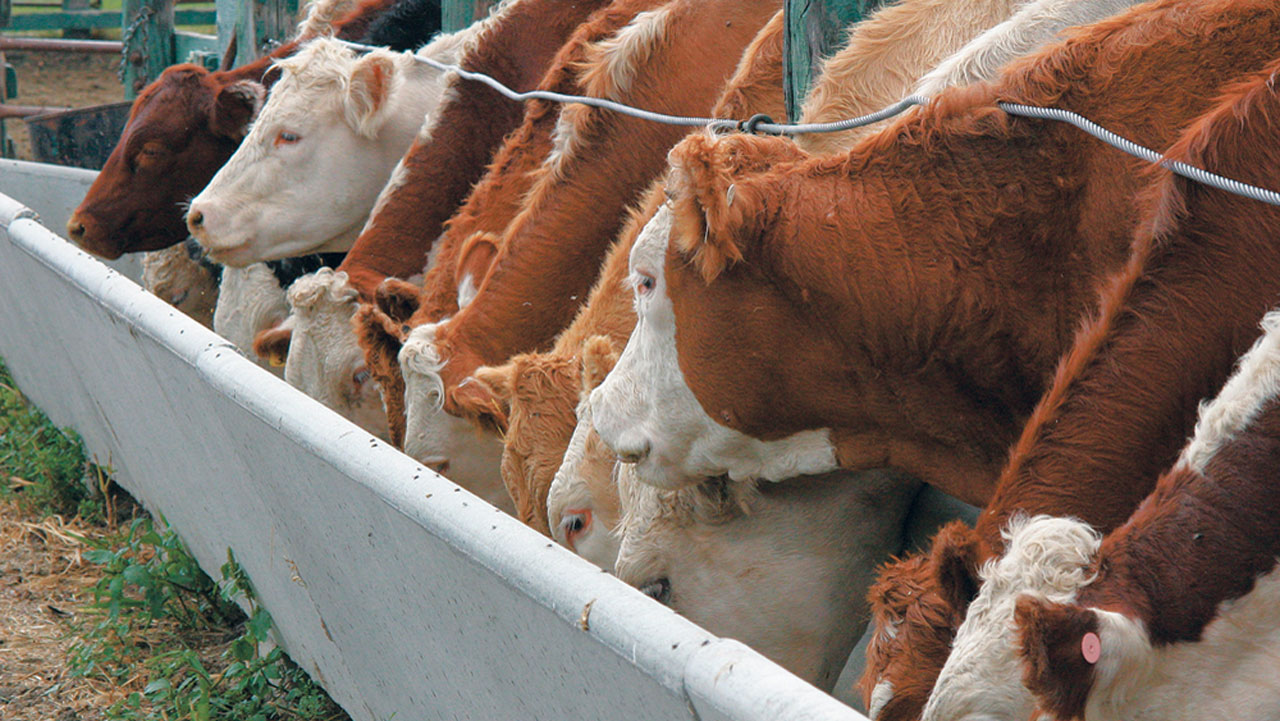
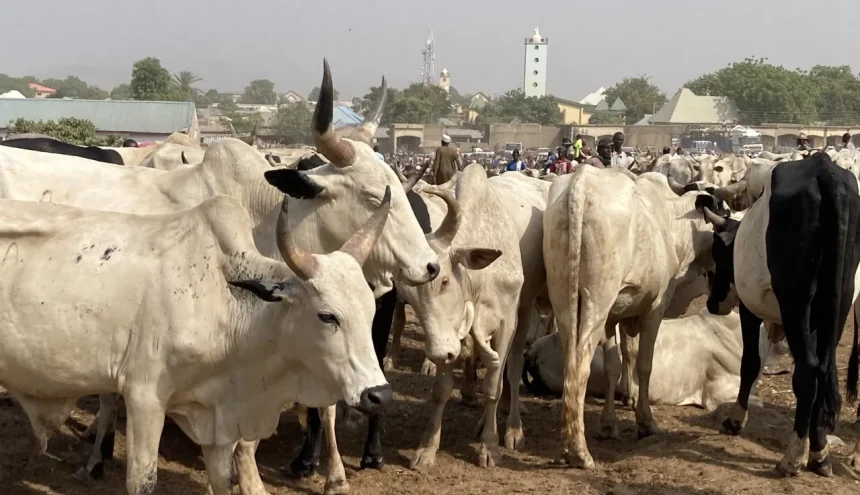
Feedlot farming involves keeping cattle in enclosed areas where they receive carefully balanced feeds to promote rapid weight gain before slaughter.
Advantages
- Faster growth
- Better feed management
- Consistent meat quality
Challenges
- High feed costs
- Requires good waste management
- Higher disease risk if poorly managed
7. Organic Cattle Farming
Organic cattle farming follows strict natural farming practices. Animals are raised without prohibited synthetic chemicals, routine antibiotics, or growth hormones, following applicable organic standards.
Advantages
- Premium market prices
- Environmentally friendly
- Growing consumer demand
Challenges
- Certification requirements
- More expensive production
- Slower growth in some systems
8. Pasture-Based Cattle Farming
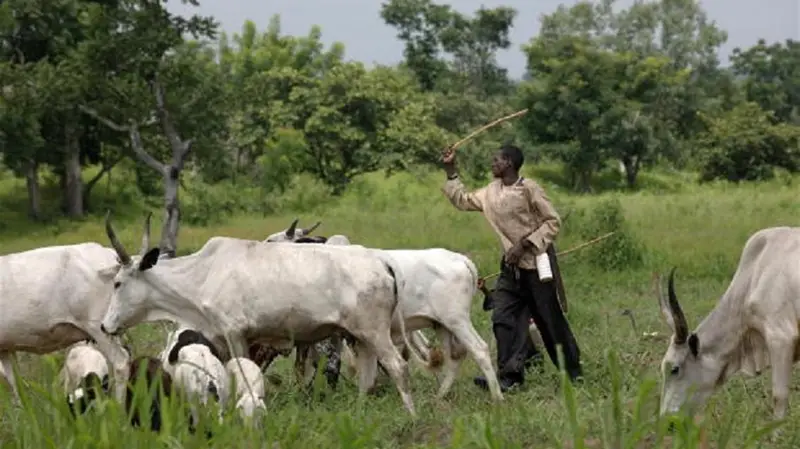
This system allows cattle to graze freely on natural or improved pastures throughout most of the year.
Advantages
- Lower feeding costs
- Better animal welfare
- Lower housing expenses
Challenges
- Requires sufficient grazing land
- Seasonal pasture shortages
- Weather-dependent
9. Intensive Cattle Farming
Intensive farming keeps cattle in confined housing where feeding, breeding, and healthcare are closely controlled.
Advantages
- High production efficiency
- Better monitoring of animals
- Suitable for commercial farms
Challenges
- High startup costs
- Increased labor
- Requires proper ventilation and hygiene
10. Extensive Cattle Farming
Extensive farming raises cattle over large grazing areas with minimal confinement.
Advantages
- Low infrastructure costs
- Lower feed expenses
- Suitable for large land areas
Challenges
- Slower growth
- Harder to monitor animals
- Vulnerable to drought and predators
Which Type Is Best for Beginners?
The best option depends on your available resources.
- Small budget: Pasture-based or small-scale beef farming.
- Regular income: Dairy farming.
- Multiple income sources: Dual-purpose farming.
- Large grazing land: Extensive farming.
- Commercial investment: Feedlot or intensive farming.
- Premium markets: Organic farming.
Factors to Consider Before Choosing a Cattle Farming System
- Land availability
- Water supply
- Feed resources
- Climate
- Capital
- Labor availability
- Veterinary services
- Market demand
- Breed suitability
- Farm management skills
Tips for New Cattle Farmers
- Start with healthy animals from reputable breeders.
- Choose breeds that perform well in your local climate.
- Build secure and well-ventilated housing.
- Provide clean water at all times.
- Feed cattle balanced, nutritious diets.
- Vaccinate and deworm animals regularly.
- Keep detailed records of breeding, feeding, treatments, and expenses.
- Learn from experienced farmers and agricultural extension officers.
- Expand your herd gradually as your skills and finances grow.
Conclusion
Understanding the different types of cattle farming is one of the first steps toward building a successful livestock business. Whether your goal is producing beef, milk, breeding stock, or a combination of products, selecting the right farming system will greatly influence your success. With proper planning, quality management, and consistent animal care, cattle farming can become a sustainable and profitable source of income for both small-scale and commercial farmers.
Leave a Reply