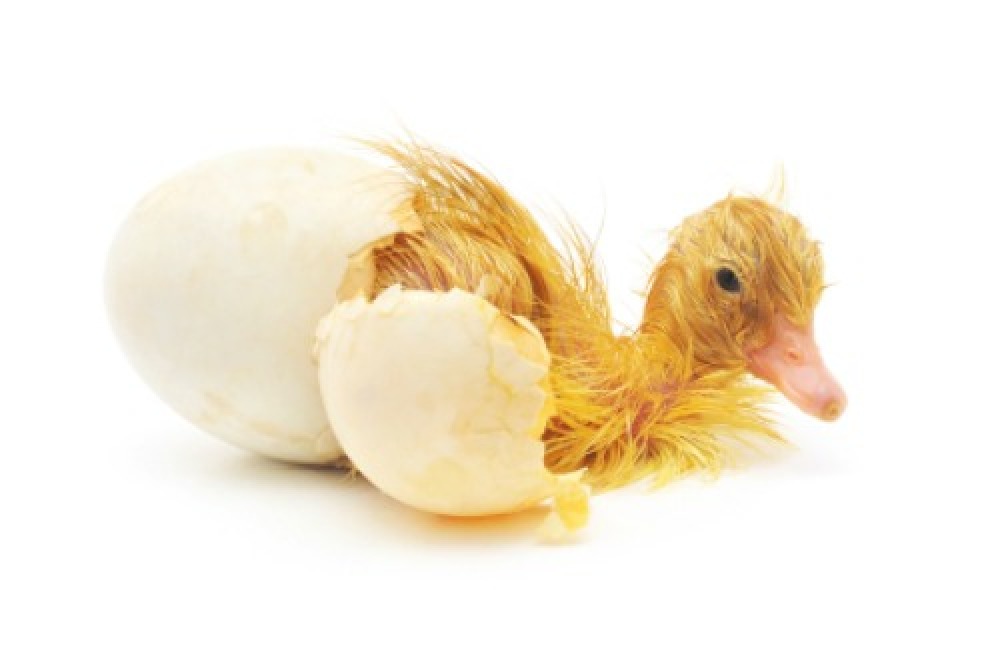
Brooding Ducklings: A Complete Guide for Beginners
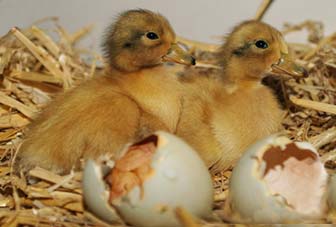
Brooding is the process of providing newly hatched ducklings with a warm, safe, and comfortable environment until they are old enough to regulate their own body temperature. This is the foundation of successful duck farming. Poor brooding management can lead to disease outbreaks, slow growth, and high mortality.
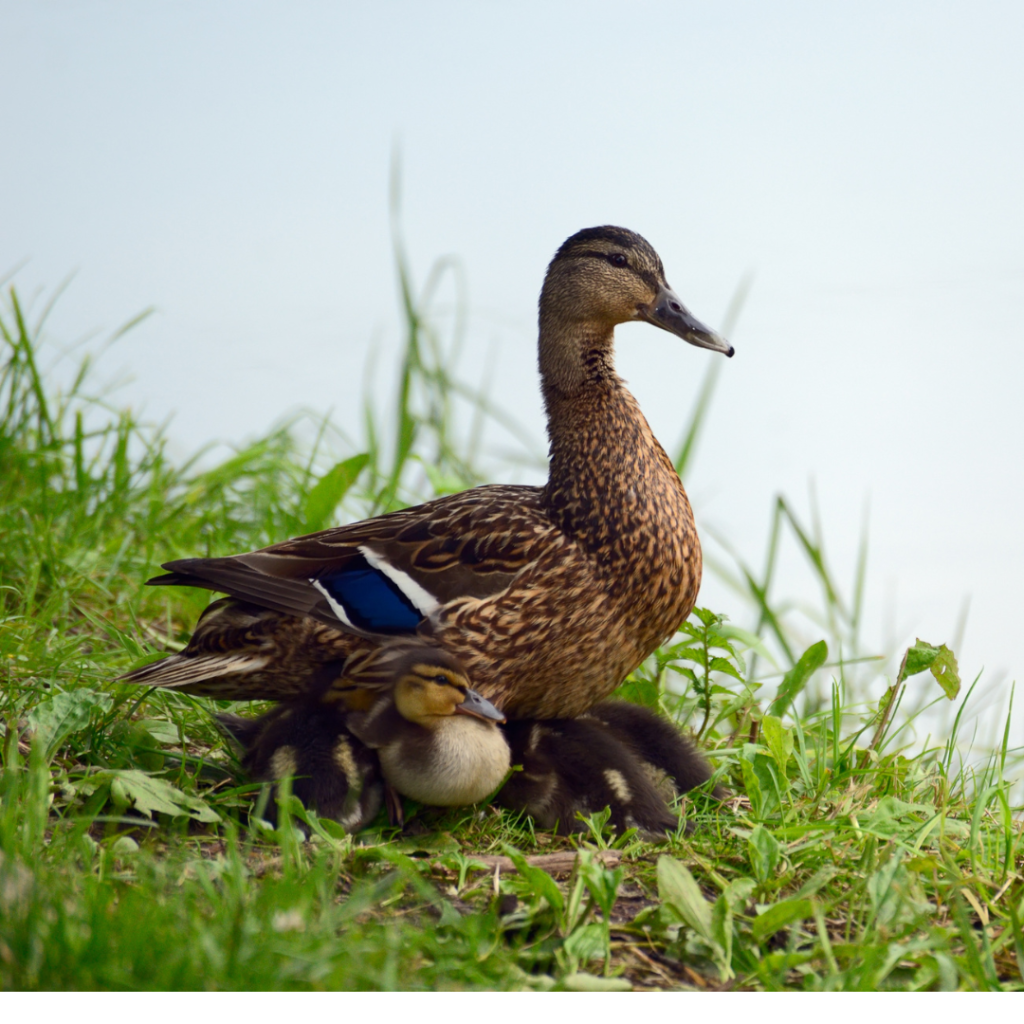
Whether you want to raise ducks for meat, eggs, or breeding, learning how to brood ducklings properly is essential.
Why Brooding Is Important
Ducklings cannot control their body temperature immediately after hatching. They depend on external heat during their first few weeks of life. Proper brooding helps to:
- Improve survival rates.
- Encourage rapid growth.
- Reduce stress.
- Prevent diseases.
- Strengthen the immune system.
- Increase future productivity.
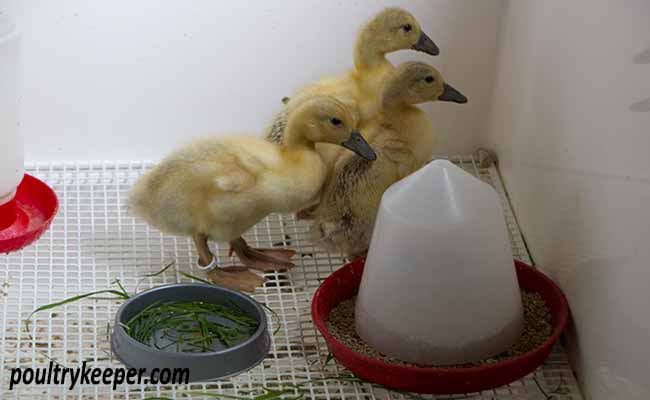
Preparing the Brooder Before Ducklings Arrive
The brooder should be cleaned and disinfected several days before the ducklings arrive.
Ensure that:
- The floor is dry.
- Feeders and drinkers are clean.
- Heat sources are working properly.
- Fresh bedding is available.
- The brooder is protected from predators and strong winds.
Ideal Brooder Temperature
Maintaining the correct temperature is very important.
- Week 1: 32–35°C
- Week 2: 29–32°C
- Week 3: 26–29°C
- Week 4: 23–26°C
Reduce the temperature gradually each week until the ducklings are fully feathered.
Signs the Temperature Is Correct
Ducklings are:
- Active and lively.
- Eating and drinking normally.
- Evenly spread around the brooder.
Signs They Are Too Cold
- Huddling together.
- Loud, continuous chirping.
- Slow movement.
- Poor feeding.
Signs They Are Too Hot
- Staying far from the heat source.
- Panting.
- Holding their wings away from their bodies.
- Drinking excessive amounts of water.
Choosing Bedding
Good bedding keeps ducklings warm and dry.
Suitable bedding materials include:
- Wood shavings
- Rice husks
- Chopped straw
Avoid slippery surfaces such as newspapers because they can cause leg problems.
Replace wet bedding regularly to prevent disease.
Feeding Ducklings
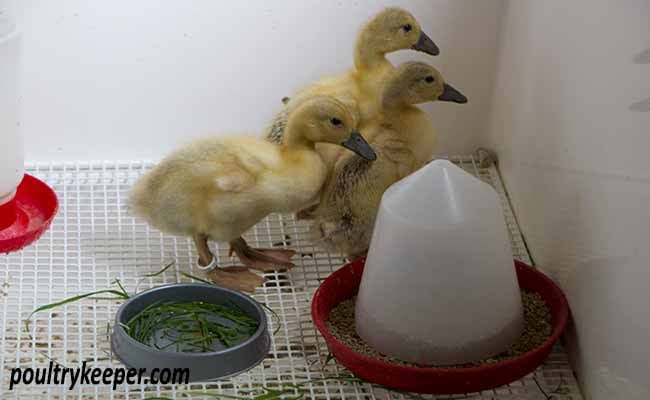
Provide a high-quality duck starter feed containing about 20–22% protein during the first few weeks.
Ducklings should always have access to:
- Fresh feed
- Clean drinking water
Avoid feeding spoiled or moldy feed.
Water Management
Ducklings drink plenty of water, but they should not have access to deep water during the brooding stage.
Use shallow drinkers to prevent drowning.
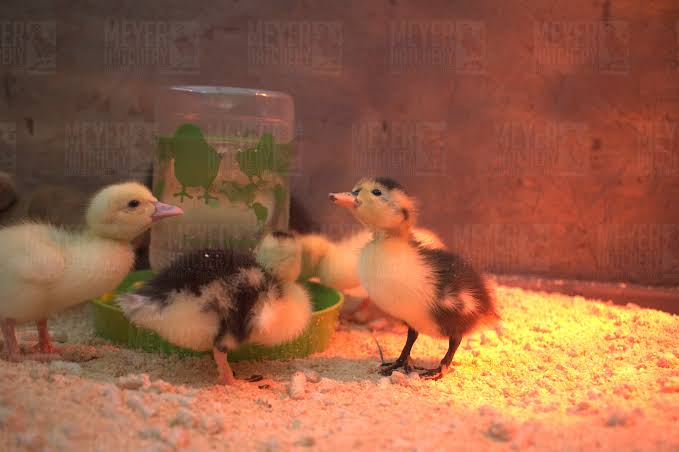
Clean drinking water should be available throughout the day.
Lighting
Provide continuous light for the first two or three days so ducklings can easily find feed and water.
After that, 14–16 hours of light daily is usually sufficient.
Ventilation
Fresh air is essential, but avoid cold drafts.
Good ventilation:
- Removes moisture.
- Reduces ammonia.
- Prevents respiratory diseases.
- Keeps ducklings comfortable.
Stocking Density
Avoid overcrowding.
Provide enough space for ducklings to move freely, eat comfortably, and rest without piling on one another.
Health Management
Inspect ducklings daily.
Watch for:
- Weakness
- Loss of appetite
- Diarrhea
- Limping
- Swollen eyes
- Difficulty breathing
Separate sick ducklings immediately and seek veterinary advice if necessary.
Biosecurity Tips
Maintain good hygiene to reduce disease risks.
- Wash your hands before handling ducklings.
- Disinfect equipment regularly.
- Keep wild birds away.
- Limit unnecessary visitors.
- Remove dead birds promptly and dispose of them safely.
Common Brooding Mistakes
Many beginners lose ducklings because of avoidable mistakes, including:
- Incorrect brooder temperature.
- Wet and dirty bedding.
- Overcrowding.
- Poor-quality feed.
- Lack of clean water.
- Poor ventilation.
- Introducing ducklings to swimming water too early.
When Can Ducklings Leave the Brooder?
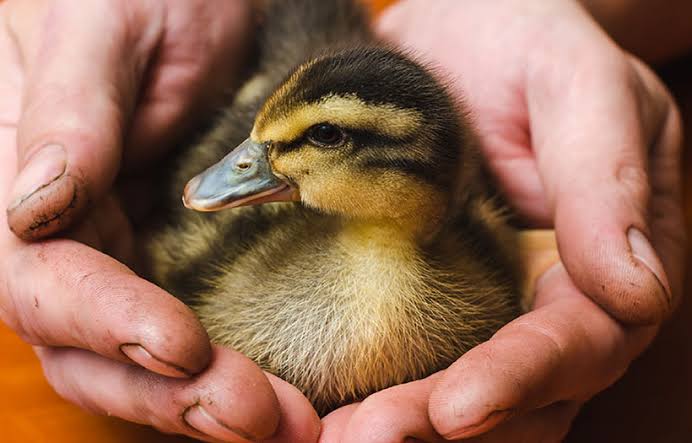
Ducklings are usually ready to leave the brooder at 4–6 weeks of age, depending on the weather and whether they are fully feathered.
Before moving them outside:
- Ensure they are healthy.
- Protect them from predators.
- Provide shelter from rain and strong winds.
Final Thoughts
Successful duck farming begins with proper brooding. Warmth, clean water, nutritious feed, dry bedding, and good hygiene are the keys to raising healthy ducklings. Farmers who invest time in managing the brooding stage correctly enjoy lower mortality rates, faster growth, and more profitable duck production in the long run.
Leave a Reply