Business Planning for Duck Farming
Starting a duck farming business without a proper plan is one of the biggest mistakes new farmers make. A well-prepared business plan helps you understand your costs, expected profits, production goals, and the challenges you may face before investing your money.
Whether you are a young duck rearer or someone planning to start a commercial duck farm, proper business planning increases your chances of success.
What Is a Duck Farming Business Plan?
A duck farming business plan is a written document that explains how you intend to establish, manage, and grow your duck farm. It includes your objectives, budget, production system, marketing strategy, and financial projections.
A good business plan also helps you secure loans, attract investors, and monitor your farm’s performance.
Why Business Planning Is Important
Every successful duck farm starts with careful planning. A business plan helps you:
- Estimate startup costs accurately.
- Avoid unnecessary expenses.
- Set realistic production targets.
- Reduce financial risks.
- Plan for future expansion.
- Track profits and losses.
- Improve decision-making.
Without a business plan, farmers often overspend, buy the wrong equipment, or struggle to find buyers for their ducks and eggs.
Decide the Type of Duck Farming Business
Before investing, determine the type of duck farming you want to operate.
Meat Duck Farming
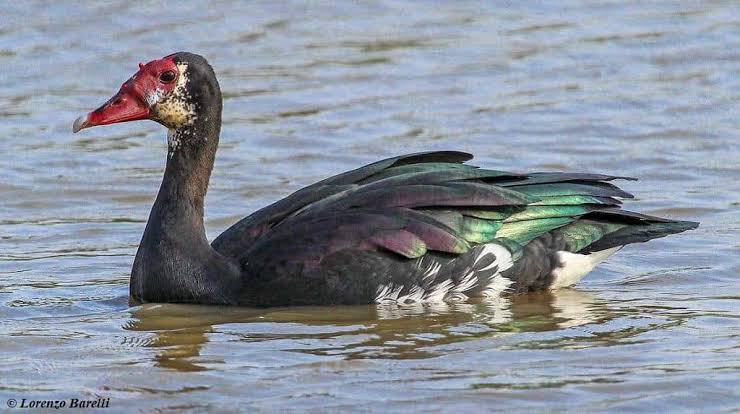
This focuses on raising ducks for meat production. Meat ducks grow quickly and are usually sold within 6 to 10 weeks, depending on the breed.
Egg Production
Some duck breeds are excellent egg layers and can produce over 250 eggs per year with proper management.
Breeding Farm
A breeding farm produces ducklings and breeding stock for other farmers.
Dual-Purpose Farming
This combines both meat and egg production, providing multiple income streams.
Conduct Market Research
Research your local market before buying ducks.
Find out:
- The demand for duck meat.
- The demand for duck eggs.
- The average market price.
- Your competitors.
- Potential buyers.
- Seasonal price changes.
Knowing your market helps you produce what customers actually need.
Estimate Startup Costs
Your business plan should include all expected expenses.
Typical startup costs include:
- Land or rent.
- Duck housing.
- Purchase of ducklings.
- Feed.
- Drinkers and feeders.
- Vaccination and medication.
- Water supply.
- Labour.
- Transport.
- Marketing.
- Emergency funds.
Always include extra money for unexpected expenses.
Choose the Right Location
A good duck farm should have:
- Clean water supply.
- Good drainage.
- Easy road access.
- Enough space for expansion.
- Protection from predators.
- Proper ventilation.
Avoid flood-prone areas and locations close to heavy industrial pollution.
Prepare a Feeding Plan
Feed accounts for the largest portion of production costs.
Your plan should include:
- Starter feed.
- Grower feed.
- Layer feed (for egg production).
- Feeding schedule.
- Daily feed requirements.
- Feed suppliers.
Good nutrition improves growth, egg production, and overall health.
Plan Your Housing System
Choose a housing system suitable for your budget.
Housing should provide:
- Dry floors.
- Proper ventilation.
- Adequate lighting.
- Predator protection.
- Easy cleaning.
- Sufficient space for movement.
Overcrowding increases disease outbreaks and reduces productivity.
Health Management Plan
Healthy ducks are more productive.
Your business plan should include:
- Vaccination schedule.
- Deworming programme.
- Biosecurity measures.
- Disease prevention.
- Quarantine procedures.
- Veterinary contacts.
Regular health checks help prevent major losses.
Labour Planning
Decide whether you will manage the farm yourself or hire workers.
Workers should understand:
- Feeding routines.
- Cleaning procedures.
- Disease identification.
- Egg collection.
- Record keeping.
Proper training improves farm efficiency.
Marketing Strategy
Many farmers produce ducks before finding buyers. This often leads to losses.
Identify customers before production begins.
Potential buyers include:
- Restaurants.
- Hotels.
- Supermarkets.
- Open markets.
- Individual consumers.
- Food processing companies.
- Hatcheries.
You can also market your products through social media and local agricultural exhibitions.
Keep Accurate Farm Records
Good record keeping helps you understand your farm’s performance.
Important records include:
- Number of ducks.
- Feed purchases.
- Mortality rates.
- Egg production.
- Meat sales.
- Vaccination records.
- Income.
- Expenses.
- Profit and loss.
These records help identify problems early and improve future planning.
Risk Management
Every farming business faces risks.
Common risks include:
- Disease outbreaks.
- Feed price increases.
- Market fluctuations.
- Flooding.
- Theft.
- Predator attacks.
- Poor management.
Prepare solutions before these problems occur.
Financial Projection
Estimate your expected income and expenses for the first year.
Include:
- Startup investment.
- Monthly operating costs.
- Expected sales.
- Gross income.
- Net profit.
- Break-even point.
Financial projections help determine whether your business will be profitable.
Expansion Plan
As your farm grows, plan for expansion by:
- Increasing flock size.
- Building additional housing.
- Purchasing better equipment.
- Producing your own feed.
- Starting a hatchery.
- Supplying larger markets.
Growing gradually reduces financial pressure and improves long-term sustainability.
Common Mistakes Beginners Should Avoid
- Starting without a business plan.
- Buying too many ducklings at once.
- Ignoring market research.
- Poor record keeping.
- Using low-quality feed.
- Overcrowding ducks.
- Neglecting disease prevention.
- Spending all available capital without keeping emergency funds.
Final Thoughts
Business planning is the foundation of a successful duck farming enterprise. It helps you understand your costs, identify profitable opportunities, manage risks, and build a sustainable business. Whether you want to raise ducks for meat, eggs, breeding, or both, a detailed business plan will guide your decisions and increase your chances of long-term success. Start with realistic goals, keep accurate records, and continually improve your management practices as your duck farming business grows.
Leave a Reply