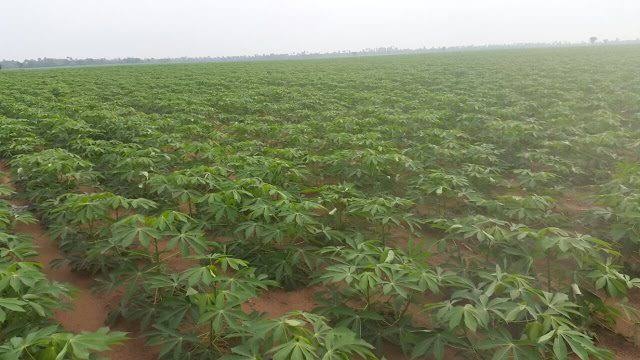
Cost of Starting 1, 5, 10, 50 and 100 Hectares of Cassava Farming in Nigeria
Cassava farming is one of the most profitable agricultural businesses in Nigeria when it is properly planned and managed. Before planting, every farmer should prepare a realistic budget to avoid running out of money during the farming season.
The actual cost of establishing a cassava farm depends on your location, land condition, labour costs, improved cassava stem prices, fertilizer prices, herbicide costs, and whether you own or lease the land.
Below is a practical estimate to help young farmers and anyone planning to start cassava farming.
Estimated Cost of 1 Hectare of Cassava Farming
| Item | Estimated Cost (₦) |
|---|---|
| Land lease (1 year) | 80,000 – 250,000 |
| Land clearing | 70,000 – 180,000 |
| Ploughing and ridging | 80,000 – 180,000 |
| Improved cassava stems | 100,000 – 180,000 |
| Planting labour | 40,000 – 80,000 |
| Fertilizer and application | 120,000 – 250,000 |
| Herbicides and spraying | 70,000 – 150,000 |
| Weeding | 80,000 – 180,000 |
| Harvesting | 80,000 – 180,000 |
| Transportation | 50,000 – 150,000 |
| Miscellaneous | 50,000 – 100,000 |
Estimated Total Cost: ₦900,000 – ₦1,900,000 per hectare
Estimated Cost for 5 Hectares
Depending on labour and machinery costs, expect to spend approximately:
₦4.5 million – ₦9.5 million
Larger farms usually reduce the cost per hectare because machinery and labour are shared across more land.
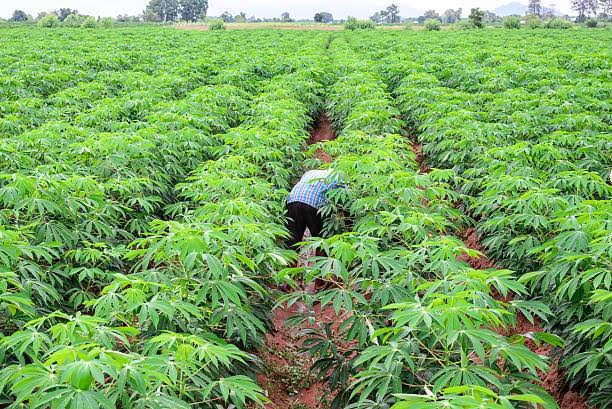
Estimated Cost for 10 Hectares
For a commercial-scale farm:
₦9 million – ₦19 million
At this level, using tractors and proper farm management becomes more economical than relying on manual labour.
Estimated Cost for 50 Hectares
Large commercial farms may require:
₦45 million – ₦95 million
Farmers operating at this scale should have:
- Tractors or reliable tractor services
- Adequate storage
- Farm supervisors
- Harvesting plans
- Buyers arranged before harvest
Estimated Cost for 100 Hectares
A 100-hectare cassava farm is a major commercial investment.
Estimated budget:
₦90 million – ₦190 million
This scale requires professional farm management, experienced workers, mechanized operations, and strong financial planning.
What Can Increase Your Costs?
Several factors may make your budget higher:
- Expensive farmland
- High labour costs
- Rising fertilizer prices
- Poor road access
- Heavy bush clearing
- Increased fuel prices
- Long-distance transportation
How to Reduce Farming Costs
You can lower your production costs by:
- Buying improved cassava stems in bulk.
- Using tractors instead of excessive manual labour.
- Purchasing farm inputs before peak planting season.
- Sharing machinery with nearby farmers.
- Applying fertilizer correctly to avoid waste.
- Controlling weeds early before they spread.
- Selling directly to processors instead of middlemen.
Important Advice for Young Cassava Farmers
Do not rush into cultivating a very large farm if you have limited experience. Start with a size you can comfortably finance and manage. Many successful commercial cassava farmers began with one or two hectares before expanding over time.
Proper planning, good farm management, improved cassava varieties, timely weed control, and access to reliable markets are often more important than simply farming a large area.
Final Thoughts
Cassava farming can provide excellent income when managed well. Whether you start with 1, 5, 10, 50, or 100 hectares, prepare a detailed budget, use quality planting materials, apply recommended agronomic practices, and keep accurate financial records. Growing gradually while reinvesting your profits is one of the safest ways to build a successful cassava farming business in Nigeria.
Leave a Reply