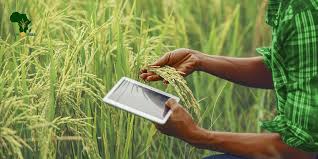
Importance of Rice Farming in Nigeria
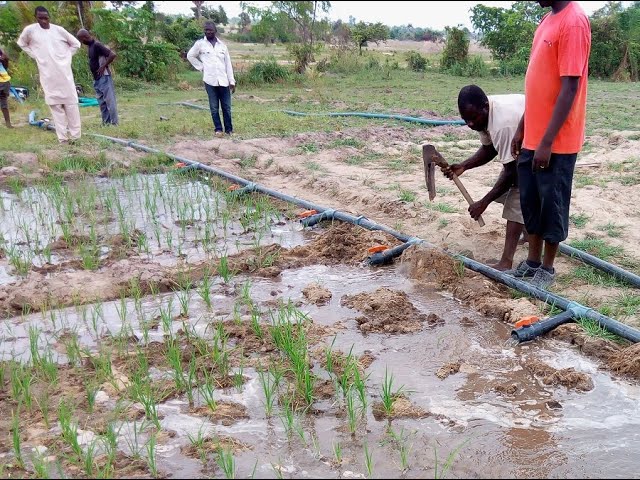
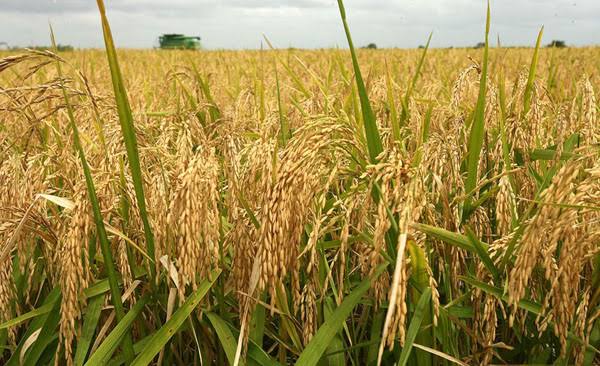
Rice farming is one of the most rewarding agricultural businesses in Nigeria. As rice has become a daily food for millions of Nigerians, the demand continues to grow every year. This creates a huge opportunity for young farmers and anyone interested in agriculture to build a profitable and sustainable business.
Whether you are just starting or planning to invest in farming, understanding the importance of rice farming will help you make informed decisions.
Why Rice Farming Is Important in Nigeria
1. High Demand Throughout the Year
Rice is one of the most consumed staple foods in Nigeria. Homes, restaurants, hotels, schools, and event centers rely on rice every day. Since people eat rice all year round, farmers have a ready market for their produce.
2. Creates Employment Opportunities
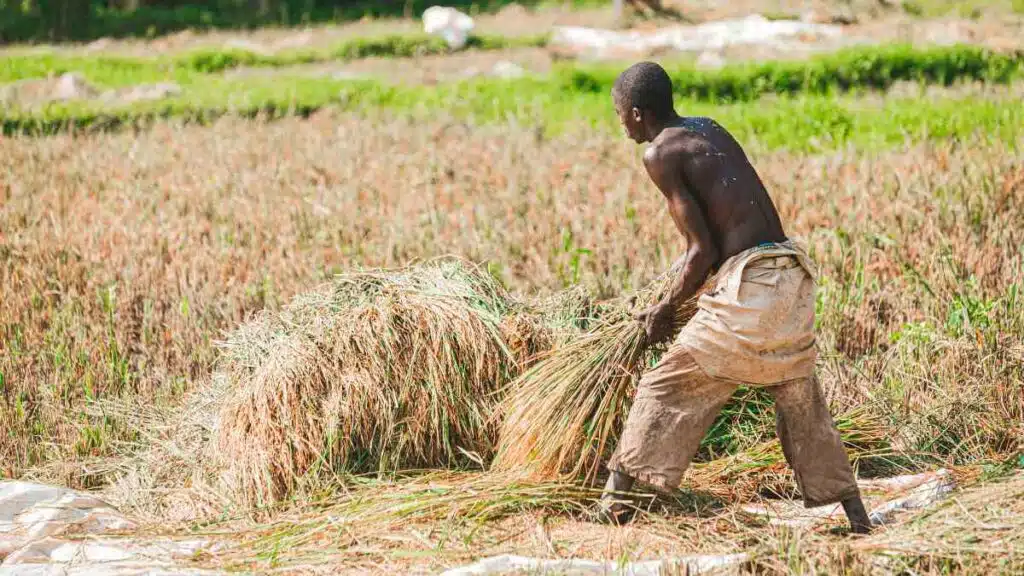
Rice farming generates jobs for thousands of Nigerians. From land preparation and planting to harvesting, processing, transportation, packaging, and marketing, many people earn a living from the rice value chain.
3. Improves Food Security
Producing more rice locally reduces food shortages and ensures Nigerians have access to affordable food. Local rice production helps feed the growing population without relying heavily on imported rice.
4. Reduces Rice Importation
Nigeria spends billions of naira importing rice. Increasing local rice production reduces the country’s dependence on foreign rice, saves foreign exchange, and strengthens the economy.
5. Generates Good Income
Rice farming can be highly profitable when managed properly. Farmers earn income from selling paddy rice, processed rice, rice bran, and even rice straw, creating multiple streams of revenue.
6. Supports Rural Development
Rice farming encourages development in rural communities by creating businesses, improving infrastructure, and increasing household incomes.
7. Encourages Agribusiness Growth
Rice farming has opened opportunities for entrepreneurs in rice milling, packaging, storage, transportation, fertilizer supply, seed production, and agricultural equipment sales.
8. Government Support
The Nigerian government and several agricultural organizations regularly introduce programs that support rice farmers through improved seeds, fertilizers, training, and access to finance.
9. Export Opportunities
As the quality of Nigerian rice continues to improve, farmers and processors have opportunities to supply both local and international markets.
10. Makes Good Use of Available Farmland
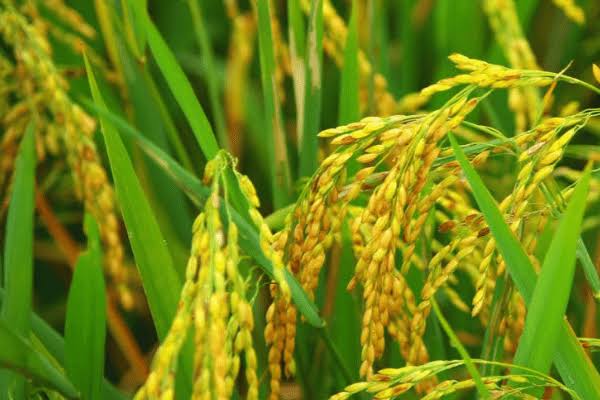
Many parts of Nigeria have fertile soil and suitable weather for rice cultivation. This allows farmers to maximize the productivity of available agricultural land.
11. Builds Wealth Over Time
Rice farming is not just seasonal work—it can become a long-term business. Successful farmers often expand into larger farms, rice milling, storage facilities, and branded rice businesses.
12. Increases National Economic Growth
Agriculture remains a major contributor to Nigeria’s economy. Expanding rice production creates employment, increases rural income, and contributes to the country’s Gross Domestic Product (GDP).
13. Multiple Income Opportunities
Rice farming goes beyond planting and harvesting. Farmers can earn from:
- Selling paddy rice
- Processing and packaging rice
- Selling rice seedlings
- Rice milling services
- Rice bran for livestock feed
- Rice straw for animal feed and compost production
14. Suitable for Young Entrepreneurs
Rice farming offers young Nigerians an opportunity to become self-employed instead of depending solely on white-collar jobs. With proper planning and modern farming techniques, it can become a successful agribusiness.
15. Opportunity to Use Modern Technology
Today’s rice farmers can improve productivity by using improved seed varieties, irrigation systems, mechanized equipment, drones, and modern farming practices that increase yields and reduce labor.
Tips for Young Rice Farmers
- Start with a manageable farm size.
- Use certified, high-quality rice seeds.
- Test your soil before planting.
- Apply fertilizers according to recommendations.
- Control weeds, pests, and diseases early.
- Harvest at the right maturity stage.
- Store rice properly to reduce post-harvest losses.
- Keep records of your expenses and income.
- Continue learning from experienced farmers and agricultural extension officers.
Final Thoughts
Rice farming is one of the most promising agricultural businesses in Nigeria. The country’s growing population and high demand for rice ensure that there is always a market for quality produce. Beyond making profits, rice farming contributes to food security, creates jobs, reduces import dependence, and supports national economic development.
For young Nigerians looking for a sustainable business opportunity, rice farming offers a practical path to financial independence. With dedication, proper training, modern farming practices, and effective farm management, rice farming can grow from a small enterprise into a thriving agribusiness that benefits both the farmer and the nation.
Leave a Reply