
Share the post "”How Artificial Insemination” and (Heat-Resistant Breeds Can Boost Cattle Productivity)"
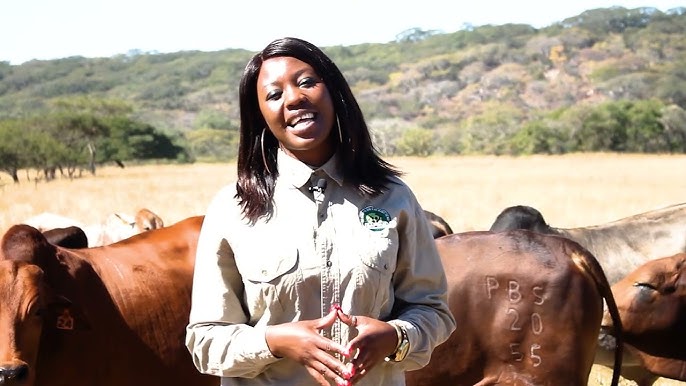
Cattle rearing is a profitable venture, but maximizing productivity requires modern strategies. Two effective methods that every cattle rearer should consider are artificial insemination (AI) and the use of heat-resistant breeds. These techniques not only increase the quality of your herd but also improve overall farm efficiency.
What is Artificial Insemination (AI)?
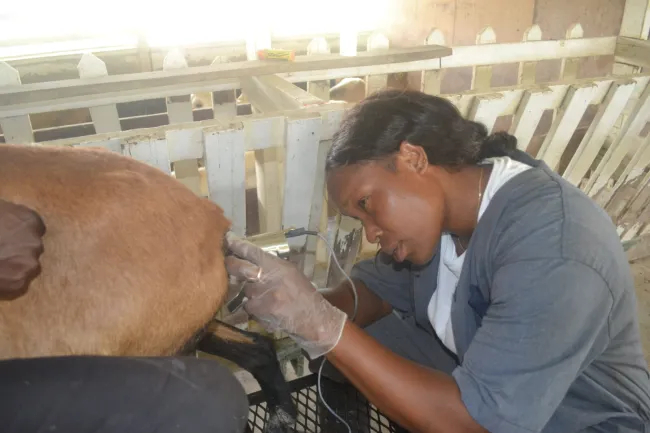
Artificial insemination is a reproductive technology where semen from a superior bull is collected and manually inserted into a cow’s reproductive tract. This allows farmers to access high-quality genetics without the need to own a bull.
Benefits of AI for Cattle Farmers:
- Improved Genetics: Introduce superior traits like high milk yield, better growth rate, and disease resistance.
- Cost-Effective: Reduces the need to maintain multiple bulls, lowering feeding and housing costs.
- Controlled Breeding: Allows planned breeding schedules, reducing calving intervals and improving herd management.
- Disease Control: Minimizes the risk of sexually transmitted diseases between animals.
Tips for Successful AI:
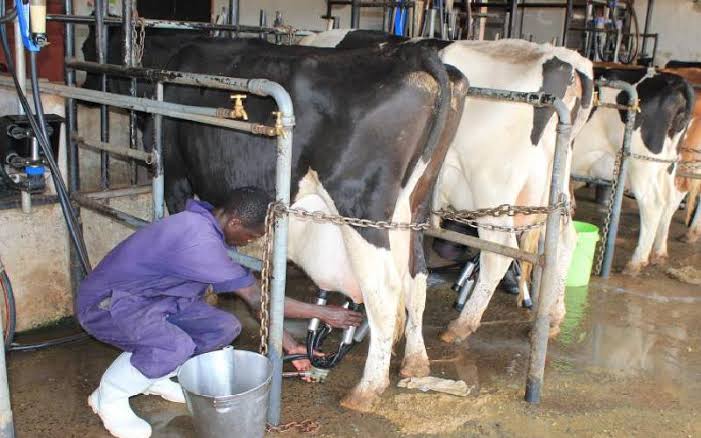
- Identify cows in heat (signs include restlessness, swelling of the vulva, and mounting behavior).
- Use semen from proven bulls with desired traits.
- Ensure hygiene during insemination to prevent infections.
- Keep proper records of breeding dates and results.
Why Heat-Resistant Breeds Matter
In tropical regions like Nigeria, high temperatures and humidity can stress cattle, reducing milk production, fertility, and growth. Heat-resistant breeds are adapted to such conditions and can thrive even under harsh climates.
Popular Heat-Resistant Cattle Breeds in Africa:
- Boran: Hardy, good for both meat and milk, and resistant to tropical diseases.
- N’dama: Highly resistant to trypanosomiasis and other local diseases.
- Bunaji: Commonly found in Nigeria, resistant to heat and ticks, suitable for meat and dairy.
Advantages of Heat-Resistant Breeds:
- Consistent Productivity: Maintains milk yield and weight gain even in high temperatures.
- Lower Veterinary Costs: Resistant to common tropical diseases.
- Longer Lifespan: Can adapt to local conditions, reducing stress-related deaths.
Combining AI with Heat-Resistant Breeds
For maximum results, farmers can combine AI with heat-resistant breeds. This ensures that your herd not only adapts to the local climate but also carries superior genetics, improving productivity, profitability, and sustainability.
Example: Using AI to breed a high-yield Holstein bull with a heat-tolerant Boran cow can produce offspring that combine both milk productivity and climate resilience.
Final Thoughts
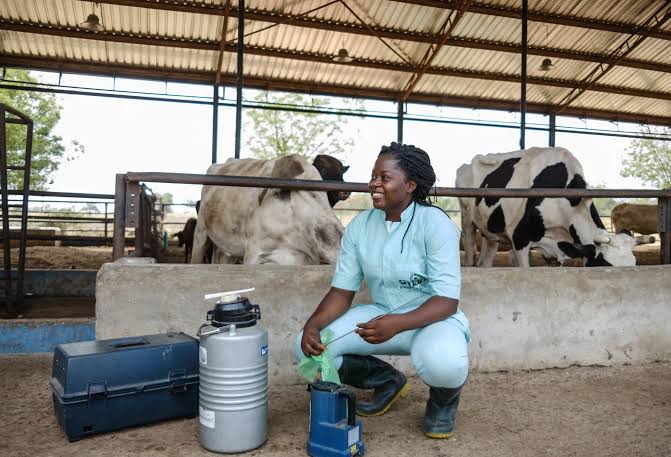
Modern cattle farming in Africa is not just about raising animals; it’s about strategic breeding and herd management. By adopting artificial insemination and investing in heat-resistant breeds, farmers can increase milk production, reduce disease risks, and grow a resilient, profitable herd.
Start today: Identify cows in heat, source quality semen, and consider crossbreeding with heat-resistant breeds to see significant improvements in your cattle productivity.


