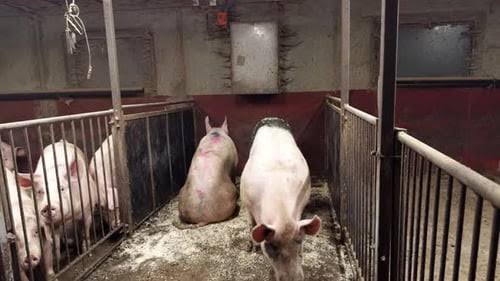
Managing Breeding Boars Effectively
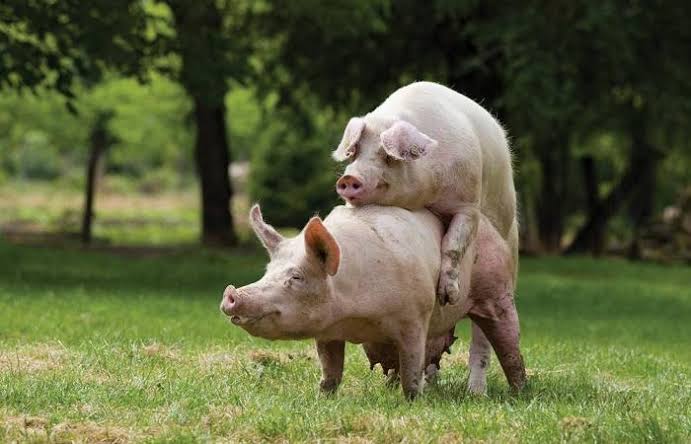
Breeding boars are among the most important animals on a pig farm because a single boar can sire hundreds of piglets during its lifetime. Proper management of breeding boars helps improve fertility, litter size, piglet quality, and farm profitability.
1. Select High-Quality Boars
Choose boars from healthy and productive bloodlines. A good breeding boar should have:
- Strong legs and feet
- Well-developed muscles
- Good body condition
- Active and alert behavior
- Normal reproductive organs
- No history of genetic defects
Avoid buying boars from farms with disease problems.
2. Buy Boars from Reputable Sources
Purchase breeding stock from trusted breeders who keep proper health and performance records. This reduces the risk of introducing diseases into your farm.
3. Provide Proper Housing
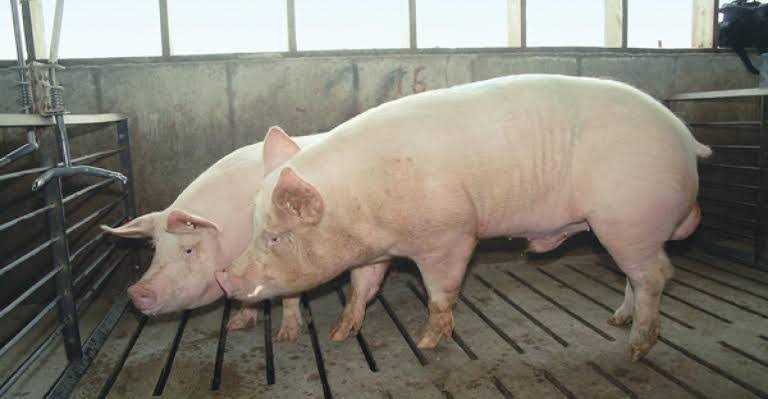
Boars need comfortable housing that allows movement and exercise.
Housing should:
- Be clean and dry
- Have good ventilation
- Protect against extreme heat and cold
- Have non-slippery floors
- Provide adequate space for movement
Poor housing can reduce fertility and cause injuries.
4. Feed Boars Properly
Nutrition directly affects fertility and semen quality.
A breeding boar’s diet should contain:
- Adequate protein
- Energy-rich feed
- Vitamins and minerals
- Clean drinking water at all times
Avoid overfeeding because obese boars become less active and less fertile.
5. Maintain Ideal Body Condition
Boars should neither be too fat nor too thin.
Problems with overweight boars:
- Reduced libido
- Difficulty mounting sows
- Increased risk of leg problems
Problems with underweight boars:
- Low stamina
- Poor semen production
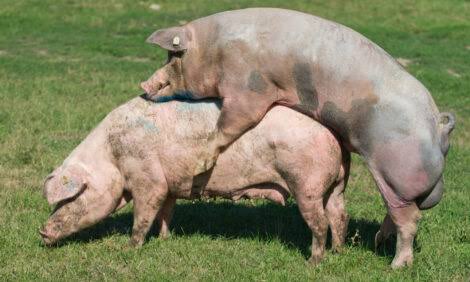
6. Ensure Regular Exercise
Exercise helps maintain:
- Strong muscles
- Healthy legs
- Good mating performance
Allow boars enough space to walk and move around daily.
7. Monitor Reproductive Performance
Keep records of:
- Number of services performed
- Conception rates
- Litter sizes
- Repeat breeding cases
Poor fertility may indicate health or management issues.
8. Avoid Excessive Mating
Overusing a boar can reduce semen quality.
General guidelines:
- Young boars: 1–2 services per week
- Mature boars: 2–4 services per week
Allow adequate rest between mating sessions.
9. Protect Boars from Heat Stress
High temperatures can reduce semen quality and fertility.
To reduce heat stress:
- Provide shade
- Ensure good ventilation
- Supply plenty of water
- Use cooling systems where possible
Heat stress effects may last for several weeks.
10. Conduct Regular Health Checks
Inspect boars regularly for:
- Lameness
- Injuries
- Skin diseases
- Respiratory problems
- Reproductive abnormalities
Treat illnesses promptly.
11. Follow a Vaccination Program
Work with a veterinarian to establish a proper vaccination schedule. Preventing disease is cheaper than treating outbreaks.
12. Practice Biosecurity
Protect breeding animals by:
- Restricting farm visitors
- Quarantining new animals
- Disinfecting equipment
- Maintaining farm cleanliness
Disease outbreaks can severely affect fertility.
13. Prevent Inbreeding
Avoid mating closely related pigs because it can lead to:
- Smaller litters
- Poor growth rates
- Increased genetic defects
Maintain breeding records to track relationships.
14. Train Young Boars Properly
Young boars need time to develop mating skills.
Introduce them gradually to breeding activities and avoid overworking them during their early breeding life.
15. Keep Accurate Records
Record:
- Boar identification
- Age
- Health history
- Mating dates
- Fertility performance
Good records help farmers make better breeding decisions.
Common Mistakes Young Pig Farmers Should Avoid
- Buying cheap, low-quality boars
- Overusing breeding boars
- Ignoring heat stress
- Keeping boars on slippery floors
- Poor feeding practices
- Failing to vaccinate
- Not keeping breeding records
- Allowing inbreeding
Conclusion
A breeding boar is the foundation of a successful pig enterprise. By selecting quality boars, providing proper nutrition, maintaining good health, preventing heat stress, and keeping accurate records, young pig farmers can achieve higher conception rates, larger litters, and increased profits. Effective boar management is not just about keeping a male pig—it is about investing in the future productivity of the entire herd.
Leave a Reply