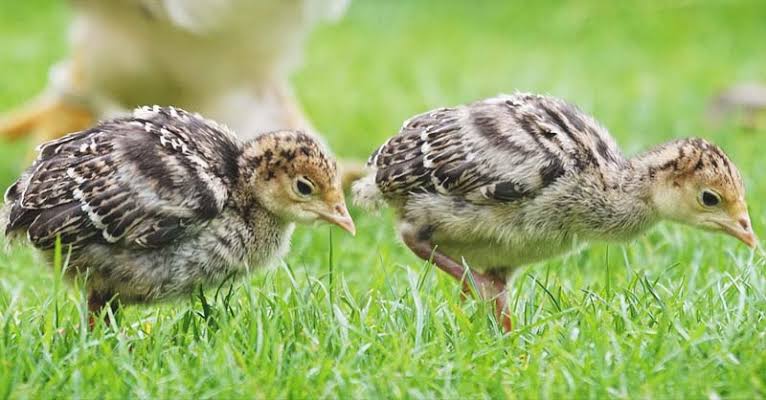
Reasons for Combining Turkeys and Chickens Together for Better Feeding
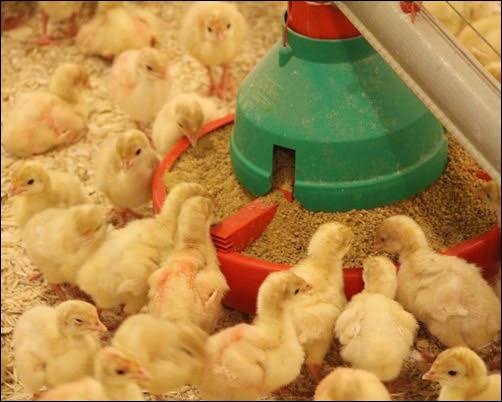
Many young turkey farmers notice that turkey poults sometimes refuse to eat properly when they are raised alone. Because of this, some farmers mix young turkeys with chicks so the turkeys can learn feeding behavior faster and become more active.
Although this method can help in some situations, farmers must also understand the benefits and risks of keeping turkeys and chickens together.
Why Farmers Combine Turkeys with Chickens
Turkeys are social birds that learn by watching other birds around them. Young poults can sometimes be slow to understand where feed and water are located.
Chickens are usually more active and quick to eat. When turkey poults see chicks feeding, they often begin eating too.
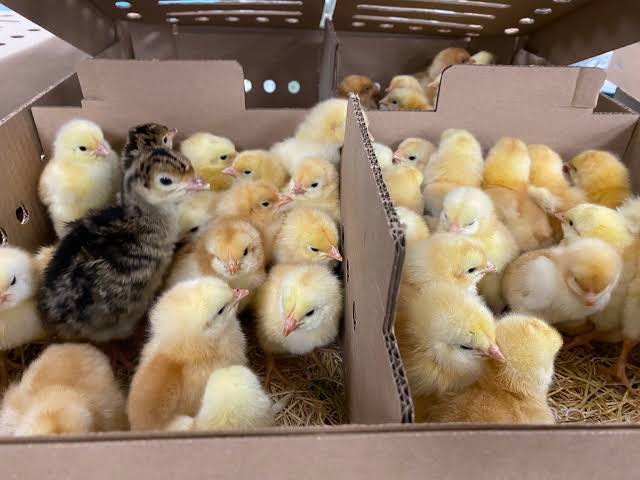
This method is commonly used during the brooding stage to encourage weak or shy poults.
How Chickens Help Turkeys Feed Better
1. Turkeys Learn Through Observation
Turkey poults naturally copy the behavior of other birds. Active chicks help attract the poults to feed and water.
When chicks begin pecking feed:
- Turkey poults become curious
- They move closer to the feeders
- They start pecking and eating too
This helps reduce starvation during the early days.
2. Reduces Loneliness and Stress
Turkeys do not like isolation. When they stay alone, they may become stressed and refuse to eat.
Keeping them with chicks can:
- Make them feel safer
- Reduce fear
- Increase movement and activity
- Improve appetite
A calm environment helps poults grow faster.
3. Encourages Faster Adaptation
Newly purchased turkey poults may struggle to adapt to a new environment. Chicks already feeding actively can help them settle quickly.
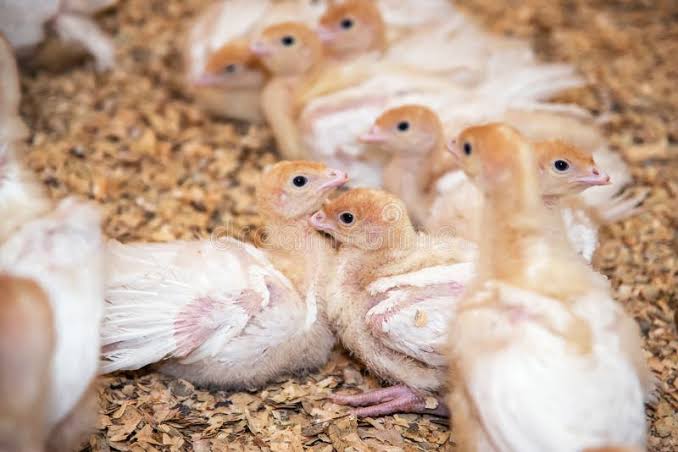
This is especially useful for:
- Day-old poults
- Weak poults
- Slow-feeding birds
4. Improves Survival Rate
Turkey poults that begin feeding early usually have:
- Better strength
- Faster growth
- Lower mortality rates
Farmers who help poults eat early can reduce losses significantly.
Important Risks of Raising Turkeys with Chickens
Although combining turkeys and chickens may help feeding behavior, young farmers must be very careful because chickens can spread diseases to turkeys.
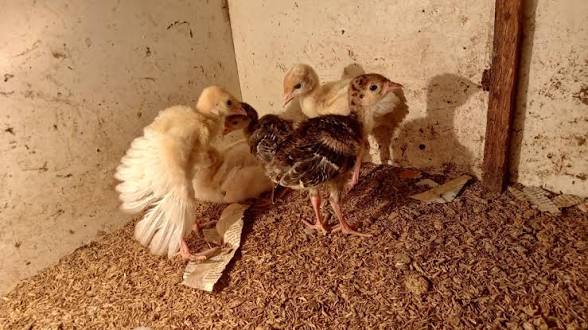
Common Risks Include:
- Disease transmission
- Competition for feed
- Pecking injuries
- Overcrowding stress
Turkeys are more sensitive to certain poultry diseases than chickens.
Blackhead Disease Danger
One major danger is Blackhead disease, which chickens may carry without showing signs.
This disease can seriously affect turkeys and cause:
- Weakness
- Yellow droppings
- Poor feeding
- Sudden death
Because of this, many experienced farmers separate turkeys from chickens after the poults have learned to feed properly.
Best Management Advice for Young Farmers
During Early Brooding:
You may keep a few healthy chicks with turkey poults temporarily to encourage feeding behavior.
After the Poults Adjust:
Separate the turkeys into their own clean housing to reduce disease risk.
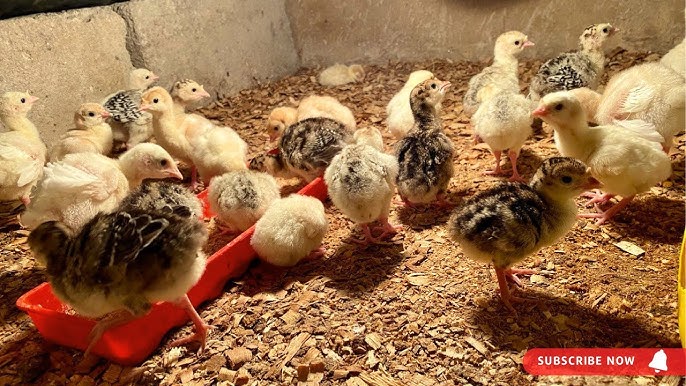
Tips for Successful Turkey Feeding
- Use quality turkey starter feed
- Provide enough warmth
- Ensure clean water availability
- Avoid overcrowding
- Observe birds regularly
- Maintain proper hygiene
Good management is more important than depending completely on chickens to teach turkeys feeding behavior.
Conclusion
Some farmers combine turkeys and chickens together because chickens help turkey poults learn how to eat and drink faster. The presence of active chicks can reduce loneliness, encourage feeding, and improve survival rates in young turkeys.
However, young farmers must also understand the disease risks involved in mixing both birds together for too long. Proper hygiene, careful observation, and timely separation are important for successful turkey farming.
Leave a Reply